
In HelloNation, Home Healthcare Expert Samantha O'Neil Explains Choosing Between Home Care and Home Health Care
Source: PR Newswire
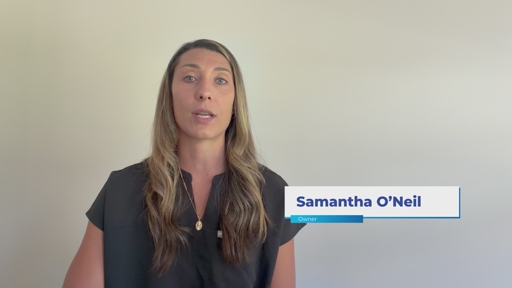
HelloNation published an educational article distinguishing non-medical home care from clinical home health care for older adults. Home care covers daily assistance such as meals, transportation, companionship and personal care, while home health care involves scheduled skilled nursing, therapy, wound care and medical monitoring under a care plan. The article is informational and contains no financial results, corporate transaction, regulatory development or market-moving data.
Analysis
This is promotional educational content rather than evidence of a utilization, reimbursement, or provider-volume inflection, so it does not support a directional healthcare trade. The investable distinction is structural: non-medical personal care and Medicare-certified home health have different labor pools, payors, regulation, and margin drivers; treating them as a single “aging at home” theme can misprice company-specific exposure.
Over 6-18 months, the relevant catalyst remains post-acute site-of-care substitution, particularly if Medicare Advantage plans continue steering lower-acuity patients away from institutional settings. That can favor scaled home-health operators such as Enhabit (EHAB) and Addus HomeCare (ADUS), but the earnings outcome depends more on referral conversion, clinician capacity, wage inflation, and MA reimbursement rates than broad consumer awareness. ADUS has relatively greater personal-care exposure, while EHAB is more exposed to skilled-home-health reimbursement and referral trends.
Consensus may overstate demographic inevitability as an earnings catalyst. Aging-in-place demand is real, but fragmented local supply and caregiver scarcity can cap admissions growth while raising labor costs; moreover, MA utilization management can retain a meaningful share of savings rather than allowing providers to capture it. A durable re-rating requires measurable improvement in visits, revenue per episode/hour, and labor productivity—not favorable industry messaging.
AllMind Terminal
AI-powered research, real-time alerts, and portfolio analytics for institutional investors.
Request TrialMarket Sentiment
Overall Sentiment
neutral
Sentiment Score
0.00
Key Decisions for Investors
- No immediate trade: classify this as non-actionable marketing content; do not infer demand acceleration without company-level referral, census, and labor data.
- Place EHAB and ADUS on a 1-3 month earnings watchlist. Consider a long only if management reports sequential volume growth with stable or improving clinician/caregiver cost per visit or hour; a revenue beat driven solely by pricing would be lower quality.
- For a 6-18 month defensive aging-in-place exposure, evaluate a modest long ADUS versus short a broad hospital ETF (IHF) only after confirming MA rate visibility and state Medicaid personal-care reimbursement trends. Thesis is relative site-of-care migration; exit if ADUS organic service hours decline or labor-cost growth exceeds reimbursement growth for two quarters.
- Monitor CMS final payment rules and MA utilization-management developments as binary sector catalysts. Reimbursement pressure, tighter prior authorization, or deteriorating referral conversion would favor avoiding skilled-home-health exposure and would falsify a broad home-care bullish thesis.
More News
- Heidi CEO on AI in Healthcare, $900M valuation
- Guggenheim Names Top Stock Pick in Biotech Sector
- Trump admin says it will save $2.2 billion by kicking off 760,000 Affordable Care Act enrollees over fraud claims
- US and Iran Sit Down for Talks at the UN: Evening Briefing Americas
- Halozyme Therapeutics completes $1.5 billion convertible notes offering
- In Senegal, a mother’s ordeal exposes a health system under strain