
U.S. dollar hits months-long high against euro on European concerns
Source: youtube.com
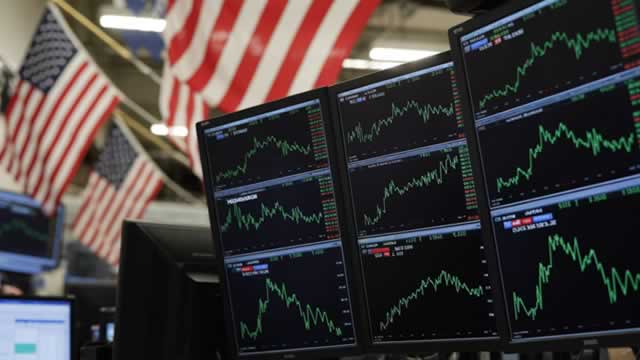
The U.S. dollar reached a 17-month high against the euro as French debt concerns and political risk pressured European markets. Soft U.S. jobs data led investors to reduce bets on Federal Reserve rate hikes, while crude edged lower amid recovering Middle East exports and G7 plans to release 100 million barrels of strategic reserves; Iran also set terms for the Strait of Hormuz.
Analysis
The FX signal is more about a widening political-risk premium than a straightforward U.S. rate advantage. That makes EUR weakness potentially persistent through near-term French fiscal and political catalysts, but vulnerable to a sharp reversal if U.S. data keeps pulling expected Fed rates lower or European risk stabilizes. A stronger dollar also tightens conditions for dollar-funded borrowers and pressures dollar-priced commodities; European exporters may gain competitiveness, though FX translation and weaker regional demand can offset that benefit.
The oil move has asymmetric durability: strategic releases and recovering flows add near-term supply, but they do not resolve the risk of disruption around Hormuz. Treat reserve releases as a bridge rather than a durable supply source; the key 1–3 month test is whether commercial flows normalize without renewed geopolitical interruption. Over 6–18 months, sustained supply recovery would weigh on prices, while renewed shipping disruption could rapidly reinstate a risk premium.
Contrarian point: do not treat dollar strength as an unambiguous macro-growth signal. Political risk can support the dollar even as softer U.S. data limits rate support. Likewise, oil downside may be less attractive than spot action suggests because the supply cushion is policy-dependent and geopolitical convexity remains.
AllMind Terminal
AI-powered research, real-time alerts, and portfolio analytics for institutional investors.
Request TrialMarket Sentiment
Overall Sentiment
mixed
Sentiment Score
-0.10
Key Decisions for Investors
- Consider a defined-risk EUR/USD put spread rather than an outright leveraged short: it expresses continued political-risk pressure while limiting losses if softer U.S. data or a European de-escalation reverses the move. Reassess around French fiscal/political developments and Fed repricing.
- Avoid adding an unhedged broad-dollar position solely on this move. Monitor U.S. front-end yields alongside EUR/USD; a falling-yield / stronger-dollar divergence would indicate political-risk demand, while a yield-led reversal would weaken the thesis.
- Do not chase crude lower with open-ended short exposure. If positioning permits, keep oil downside exposure small and defined-risk, and retain a hedge against renewed Hormuz disruption; verify actual export and shipping flows rather than relying on announced reserve volumes.
- Falsifiers: a sustained narrowing in French sovereign risk versus core Europe, a material rebound in U.S. rate expectations, or evidence that Middle East flows remain disrupted despite reserve releases would challenge the respective FX or oil views.
More News
- World Bank warns of AI concentration risks as it lifts East Asia and Pacific growth outlook to 4.5%
- Ray Dalio Warns of US Debt Crisis Within Three Years
- OKX debuts a platform that turns 50 currencies into digital dollars, betting emerging market investors want stablecoins
- BOJ may signal underlying inflation has hit 2% goal, sources say
- Contagion Fears in European Markets over France Fiscal Woes
- Brazil Election: Bolsonaro Pushes Lula to Brink as Markets Set to Rally