
The Last Mile's 'Fragmentation Tax': FarEye Sets Out Four Moves to Control Rising Delivery Costs at Last Mile Leaders EMEA 2026
Source: PR Newswire
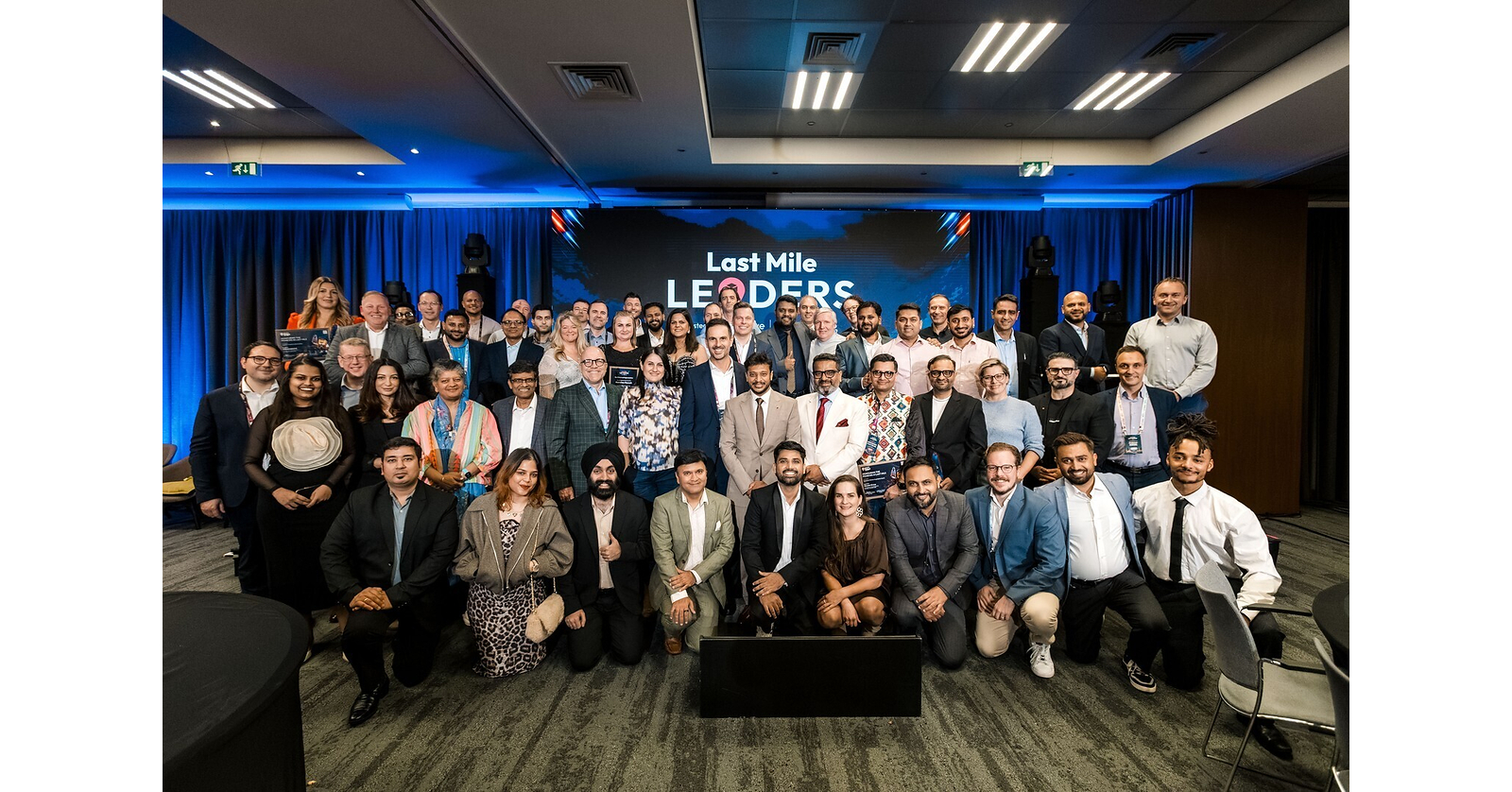
FarEye's Eye on the Last Mile EMEA 2026 report found last-mile delivery costs rose a typical 9% across EMEA over the past year, with 96% of firms paying more per delivery. Among fully outsourced firms, 51% cited unreliable carrier information as their biggest challenge, versus 22% citing cost. CEO Kushal Nahata proposed improving delivery visibility, tracking full cost to serve, offering predictable delivery options and building AI on standardised data with human oversight; reliability was most important to customers for 63% of firms, versus speed for 11%.
Analysis
The investable signal is not the reported cost increase itself, but whether fragmented carrier data is a material, addressable cause rather than a vendor-framed explanation for broad transport inflation. FarEye’s survey is useful as an operating-cost warning, not proof that its software—or any platform—can recover the reported increase. Standardizing milestones can expose failed attempts and service exceptions before it reduces them, so near-term implementation may lift measured cost-to-serve and disrupt operations. Over 6–18 months, the likely winners are retailers and shippers that can use comparable service and cost data to shift volume toward reliable carriers, renegotiate contracts, and redesign delivery promises; weaker operators risk paying both higher carrier rates and avoidable re-delivery/customer-service costs. Carrier scale could gain bargaining power as buyers rationalize fragmented networks, while smaller carriers may lose volume unless they integrate into common data standards. Reliability outranking speed also argues against assuming broad willingness to pay for faster delivery: paid express is a testable pricing opportunity, not established incremental revenue. Near term, treat this as a diligence prompt, not a sector catalyst. The thesis strengthens if company disclosures show falling failed-delivery rates and cost per successful delivery after systems integration; it weakens if transport costs remain elevated despite improved visibility, or if carrier pricing—not execution failures—accounts for most of the increase. FarEye’s commercial interest and the survey’s unspecified respondent mix limit generalization.
AllMind Terminal
AI-powered research, real-time alerts, and portfolio analytics for institutional investors.
Request TrialMarket Sentiment
Overall Sentiment
neutral
Sentiment Score
-0.10
Key Decisions for Investors
- No broad trade on this release. Put logistics-software and retail names on watchlists; verify customer concentration, implementation duration, renewal economics, and independently reported savings before underwriting platform revenue growth.
- For the next 1–3 months, monitor retailer earnings commentary for delivery cost per successful order, failed-attempt rates, carrier mix, and customer-service contacts. Prefer evidence of realized savings over visibility or AI adoption claims.
- Conditional relative-value idea: favor retailers that disclose measurable delivery-efficiency improvements over peers with rising fulfillment costs and no operational metrics. Avoid a named pair until comparable company disclosures establish the gap.
- Falsification trigger: if cost per successful delivery does not improve after carrier/data standardization, or if carrier rate increases dominate avoidable exception costs, the fragmentation-software thesis is not a sufficient basis for an earnings upgrade.
More News
- SK Hynix third-quarter profit sharply beats estimates on AI memory boost
- SK Hynix Posts Record Profit Amid AI Rush
- Anthropic's IPO could be 'speculative fiction' or a 'generational moment' — investors are split
- Iran’s calculations as US escalation looms: Trust, midterms, Hormuz
- Anthropic IPO Seeks Investors, With Risks of Catastrophe, Rogue AI
- Anthropic Gives Traders a Pure-Play Bet on Frontier AI