
Everlight Solar Named a 2026 Champion in Fleet by Dane County Climate Champions Program
Source: PR Newswire
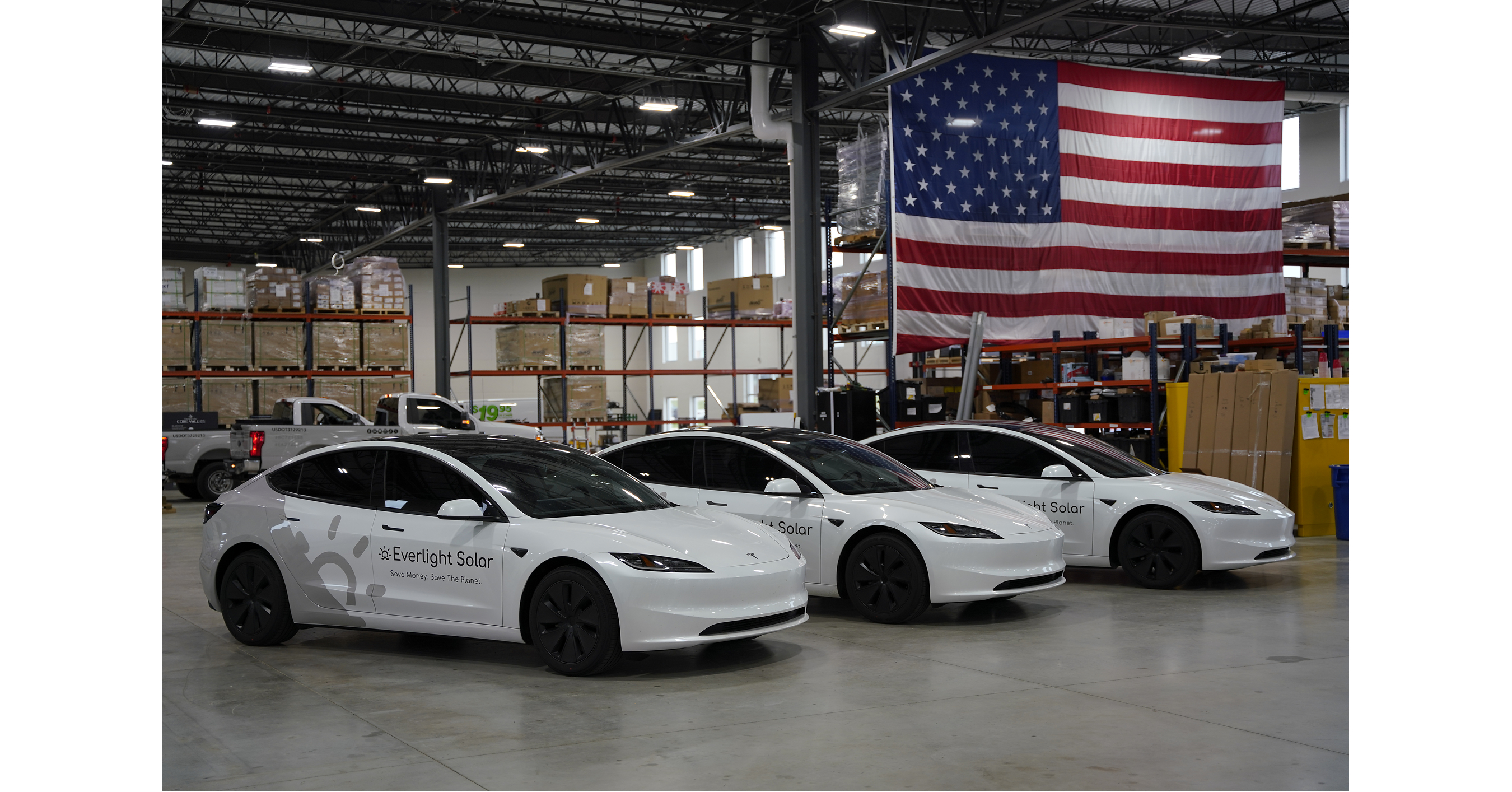
Everlight Solar received Dane County's 2026 1-Star Climate Champion designation in the Fleet category, recognizing its efforts to reduce transportation emissions. The company operates 14 electric vehicles and had converted 25–50% of its fleet to clean energy by its 2025 recognition. The announcement is a positive local ESG milestone but contains no material financial metrics or operational outlook changes.
Analysis
This is not investable as a standalone catalyst: a local recognition tied to a 14-vehicle fleet has no discernible effect on Everlight's revenue, procurement costs, financing access, or competitive position. The more relevant read-through is that residential solar/home-services installers are increasingly using fleet electrification as a brand and recruiting tool, but the scale is too small to alter demand for EVs, charging equipment, or distributed-energy products.
Second-order effects remain modestly constructive for commercial EV fleet ecosystem names only if small-business adoption broadens beyond symbolic deployments. The addressable opportunity is more likely in charging, fleet-management software and vehicle financing than in vehicle OEM volume; however, there is no evidence here of a material purchase pipeline, charger installation, or capex commitment. Treat this as anecdotal confirmation of adoption rather than data on unit demand.
Over the next 6-18 months, the structural risk to solar-adjacent installers is that electrification messaging may raise customer-acquisition appeal while masking pressure from residential solar financing rates, net-metering policy, and labor costs. A sustained easing in consumer borrowing costs would matter far more to installer volumes than incremental fleet conversion. Conversely, weaker EV incentives or utility-rate reform could reduce the economics of both installer fleet electrification and the broader home-energy-independence pitch.
AllMind Terminal
AI-powered research, real-time alerts, and portfolio analytics for institutional investors.
Request TrialMarket Sentiment
Overall Sentiment
mildly positive
Sentiment Score
0.22
Key Decisions for Investors
- No trade on this release; do not infer demand for TSLA, RIVN, CHPT, BLNK, or EVGO from a small local fleet recognition without disclosed vehicle orders, charging capex, or a broader customer rollout.
- Maintain a 1-3 month watchlist on ENPH, FSLR and TAN for residential-solar demand sensitivity, but use mortgage rates, loan-approval trends and state net-metering decisions—not ESG publicity—as entry signals.
- If evidence emerges of multi-state installer fleets adopting managed charging, evaluate a relative-value basket long FLNC or ETN versus short CHPT/BLNK: infrastructure and power-management providers have stronger monetization than capital-intensive public charging operators. Falsify if deployments are employer-site Level 2 charging only, with no recurring software or power-management spend.
- For 6-18 month positioning, monitor residential installer credit quality and consumer-finance spreads; a widening in solar-loan delinquencies or renewed adverse net-metering policy would be a negative catalyst for the distributed-solar complex regardless of favorable sustainability branding.
More News
- Trump set to announce plan by Audi to build a U.S. factory in Georgia, source says
- Rick Lazio: We’ve lost an auto race before, China’s EV climb should worry us
- Make or Break for Stellantis on Oct. 28: Can FaSTLAne 2030 Help Steer Carmarker From Its 52-Week Low?
- COP17 puts Armenia’s environmental record in the spotlight
- Carvana's Reckoning Day on Oct. 28: Can Used-Car King Overcome Margin Compression and Defy Extreme Premium Valuation?
- Tesla: 2027 Could Be A Massive Growth Inflection Point (Rating Upgrade)
From AllMind Research
- Anthropic IPO Preview: Valuation, Timing, and What to Watch
- Shein After the IPO: Venue, Valuation, and What Must Be Proved
- What AI Research Tools Should a Small Hedge Fund Buy First?
- Weekly Update: Sector Analysis, Improvements on Research Data, and Performance Enhancements
- Choosing an AI Copilot for Equity Research