
Envision: el amoníaco verde impulsa con éxito el primer VLAC del mundo
Source: PR Newswire
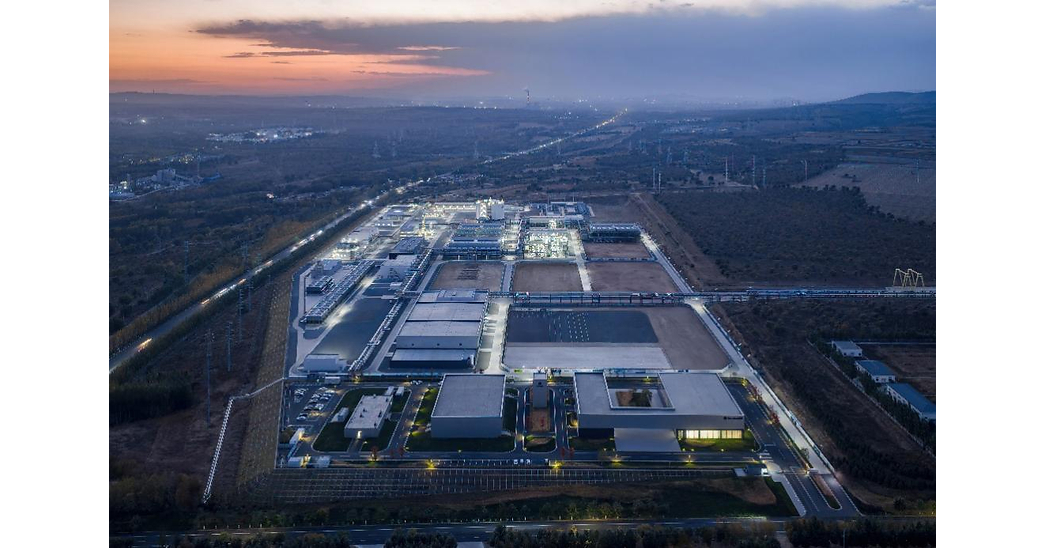
Envision anunció que su amoníaco verde certificado abasteció al Terra Clove, presentado como el primer VLAC del mundo equipado con propulsión de combustible dual que utiliza amoníaco, conectando producción, transporte y uso marítimo. La planta de Chifeng produce actualmente 320.000 toneladas anuales y tiene una capacidad total planificada de 1,52 millones de toneladas. El hito respalda la viabilidad del amoníaco verde como combustible marítimo, aunque el artículo no cuantifica el volumen suministrado ni las reducciones de emisiones.
Analysis
The investable signal is not proof of a scalable fuel market; it is evidence that a certified supply chain can complete a real-world handoff. The next value inflection is repeat, multi-vessel fuel consumption—not another demonstration. For 1–3 months, watch for follow-on bunker volumes, additional shipowner commitments, and disclosure of delivered fuel economics versus conventional marine fuel. Over 6–18 months, adoption depends on port availability, lifecycle-emissions accounting, safety approvals, and whether engines can use ammonia reliably at commercially meaningful utilization. Dual-fuel capability limits near-term downside for operators, but also means ammonia demand can remain intermittent.
Envision’s production capacity and certification claims are company-reported; this single fueling does not establish utilization, cost competitiveness, or repeat orders. Ammonia’s toxicity and potential combustion-related emissions add operational and regulatory hurdles that could delay deployment. Methanol, LNG, and efficiency retrofits remain competing decarbonization pathways. Bureau Veritas (BVI) is the only mapped public company: independent verification may create an incremental services opportunity, but the article does not establish that BVI performed this certification or that any material revenue accrues to it. The consensus risk is extrapolating a milestone into near-term fuel demand; the contrarian upside is that successful logistics validation reduces one practical adoption barrier.
AllMind Terminal
AI-powered research, real-time alerts, and portfolio analytics for institutional investors.
Request TrialMarket Sentiment
Overall Sentiment
moderately positive
Sentiment Score
0.40
Key Decisions for Investors
- No immediate directional trade from this announcement alone. Treat it as an industry validation signal, not evidence of a near-term earnings inflection for a listed company.
- Keep BVI on a watchlist, not as a conviction long: verify whether Bureau Veritas conducted the relevant certification, whether it wins repeat ammonia-related assurance work, and whether that activity is material in company disclosures. Lack of repeat work or attribution weakens the exposure thesis.
- For a 1–3 month catalyst check, track repeat bunkering, disclosed fuel volumes and pricing, further vessel orders, and port-level ammonia handling approvals. A single demonstration without repeat transactions would falsify the near-term adoption read-through.
- Reassess the 6–18 month thesis if operators report sustained ammonia use and lifecycle-emissions benefits under applicable rules; reverse toward a cautious view if safety incidents, emissions-accounting disputes, regulatory delays, or economics favoring competing fuels stall deployments.
More News
- Binance co-CEO Richard Teng says hackers used fake job interviews, AI tool to steal $6.3 billion in crypto 108511116
- AMD stock jumps 7% on earnings as data center revenue nearly doubles
- Marvell-Lumentum Deal Puts Optical Networking at the Center of the AI Boom
- The Strait of Hormuz closure has cost Europe an extra $142 billion for the same energy it was already buying
- Marvell Technology could plunge on latest multibillion-dollar acquisition
- Disney Plans Thousands of Layoffs Companywide