
Even Highly Curable Childhood Cancers Take a Substantial Toll on Families, According to New Study from JNCCN
Source: PR Newswire
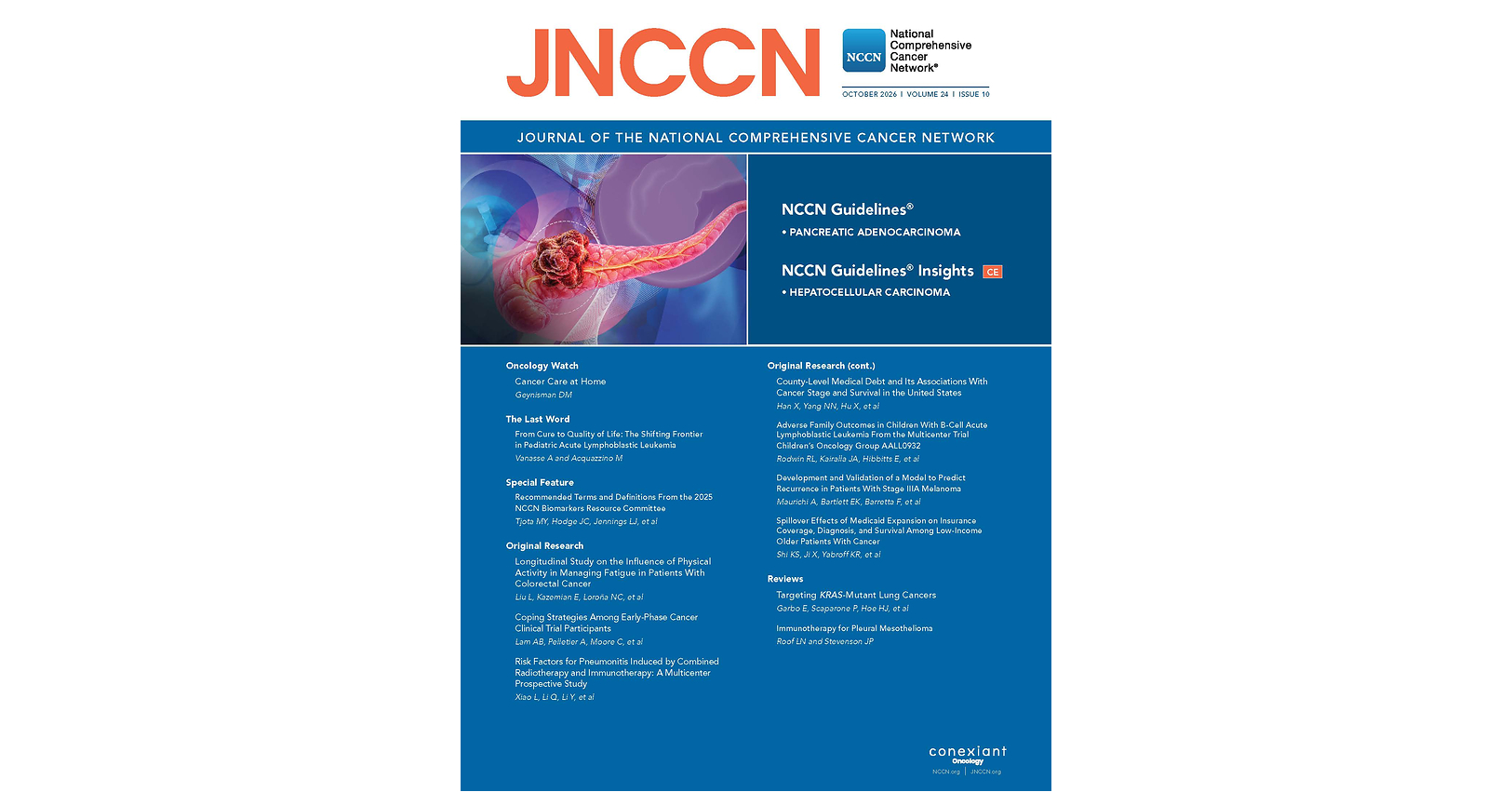
In a multicenter study following 420 children with standard-risk B-ALL, 56.2% of families reported at least one household change within about two months of diagnosis, rising to 81.2% by 26 months. Family hardships generally remained similar between maintenance-treatment groups, although families receiving vincristine/dexamethasone every 12 weeks were less likely to report at least $100 in leukemia-related expenses after randomization. Researchers called for early, ongoing screening and family support during treatment.
Analysis
The investable signal is not a change in leukemia drug demand: the comparison suggests that reducing treatment frequency alone does little to ease most family burdens. That shifts the potential response toward longitudinal social work, caregiver screening, navigation, and financial-assistance capacity rather than treatment de-intensification. If guidelines or payer policies eventually fund these services, the incremental beneficiaries would more likely be care-delivery and support-service providers than oncology drug makers; costs could otherwise remain an unfunded burden on cancer centers and families. The evidence is not a near-term earnings catalyst: the cohort was treated in 2010–2013, limited to standard-risk B-ALL, and the release provides no estimates of current costs, service utilization, or reimbursement. The broad institutional reach is relevant, but it does not establish that every pediatric oncology population has the same outcomes. Near term, expect little direct public-equity impact. Over 1–3 months, watch for payer, guideline, or legislative proposals translating financial-toxicity screening into reimbursed services. Over 6–18 months, measurable adoption and payment—not awareness alone—would be needed to support a durable commercial thesis. Contrarian point: the finding argues against assuming less intensive regimens automatically reduce the household burden, but it does not show that added support programs can pay for themselves or improve provider margins.
AllMind Terminal
AI-powered research, real-time alerts, and portfolio analytics for institutional investors.
Request TrialMarket Sentiment
Overall Sentiment
mildly negative
Sentiment Score
-0.25
Key Decisions for Investors
- No immediate directional trade: the article identifies a care-delivery problem but names no commercial beneficiary, reimbursement change, or company-level financial exposure.
- Track NCCN guidance and payer policies for funded caregiver navigation, social-work, or financial-toxicity services; treat these as catalysts only if coverage and payment terms become explicit.
- For healthcare-services exposure, verify provider-level reimbursement, staffing costs, and adoption before underwriting revenue upside; awareness or screening recommendations alone are insufficient.
- Falsify the prospective services thesis if follow-up evidence shows low program uptake, no reimbursement pathway, or no measurable reduction in family hardship or care disruption.
More News
- J&J's 6% slide on an imperfect quarter is a gift to prospective buyers
- UnitedHealth Group tops estimates, hikes profit outlook as insurer manages high medical costs
- Liquidia (NASDAQ:LQDA) CMO Rajeev Saggar disposes of $262,528 in stock
- Rhythm Pharmaceuticals launches IMCIVREE in Japan for obesity
- J&J beats earnings estimates; Middle East conflict weighs on medical-device sales
- Johnson & Johnson shares SLIDE nearly 6% despite stronger full-year forecast