
World's Highest Plateau Railway, 20 Years On
Source: PR Newswire
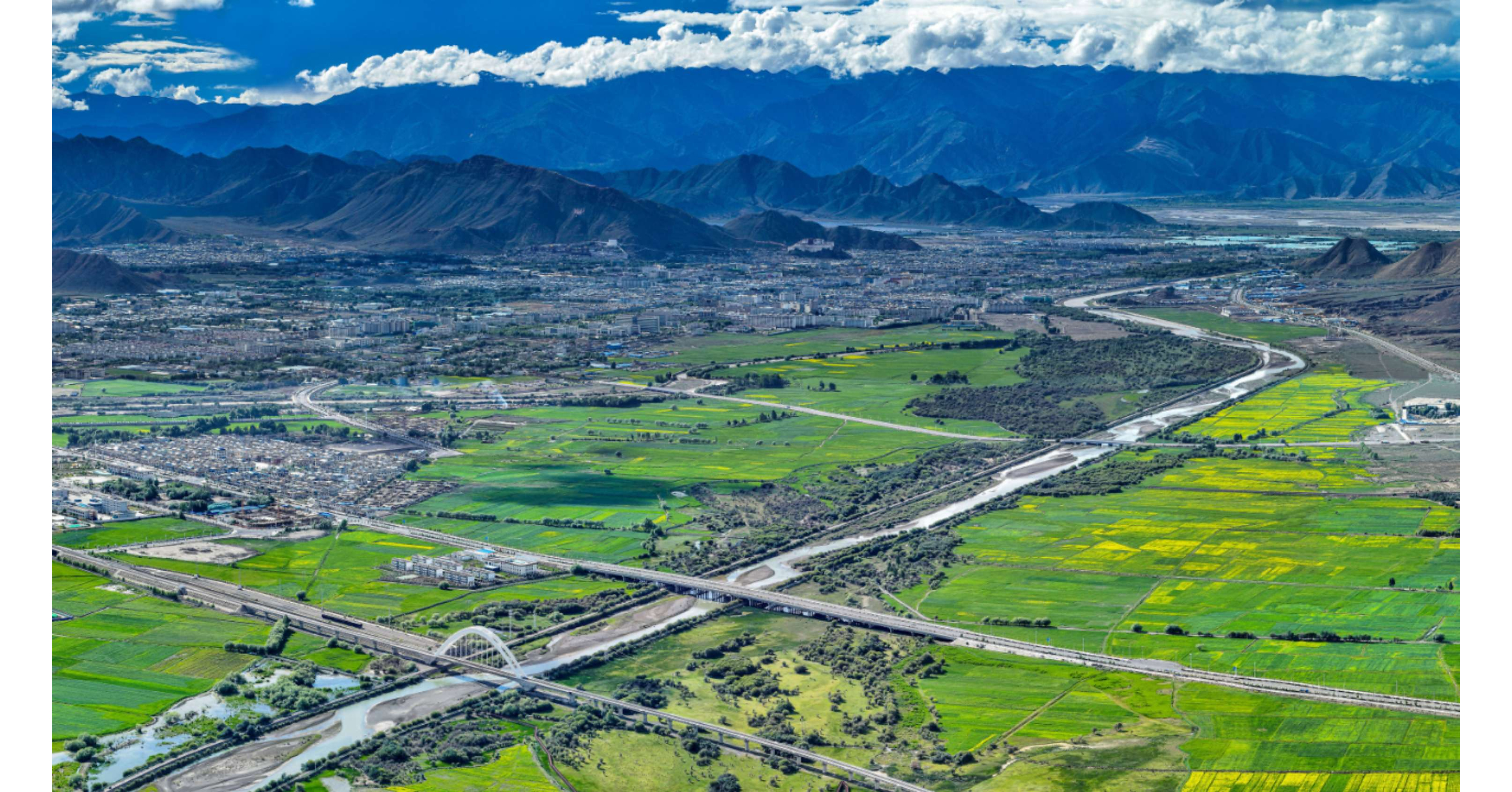
The Qinghai–Xizang Railway (1,956 km) marked 20 years of service, handling 104M passenger trips and 824M+ tonnes of cargo since opening. Operational safety on the Golmud–Lhasa (1,142 km) section is supported by a plateau-adapted train monitoring/control system used across 51 of 58 unattended stations, while 550 km of permafrost is stabilized via thermosiphons. With climate change potentially raising temperatures by ~2°C (vs ~1.5°C design), solar-powered thermosiphons (1.5x ordinary capacity) have been applied to 117 permafrost sections, cutting settlement by >70% and keeping 96% of subgrade settlement within 20 mm (vs a 50-mm design limit).
Analysis
This is less a near-term equity catalyst than a proof point for China’s infrastructure stack: the economic value is in exportable know-how around cold-climate signaling, geotechnical stabilization, and low-maintenance remote operations. That favors domestic rail integrators, electrical components, and specialty civil-engineering contractors over rolling stock OEMs; the margin pool sits in controls, monitoring, and climate-adaptation retrofit work, not in the base rail service itself.
The second-order angle is climate risk turning into recurring capex. If permafrost design assumptions are being re-rated upward over a 10-20 year horizon, then similar routes in Western China, Central Asia, and Arctic-adjacent geographies likely need incremental spending on thermosiphons, sensors, and maintenance systems. That is a slow-burn tailwind for firms with proprietary field data and installation capacity, while it is a structural cost headwind for rail operators exposed to weather-linked renewal spending.
Contrarian view: the market may overestimate how much of this becomes monetizable software/automation revenue. The upgrade sounds technically impressive, but unless the system is packaged into repeatable contracts outside this corridor, it remains a one-off validation event. The real falsifier is operational degradation: if settlement accelerates, speed limits appear, or climate-driven maintenance costs spike over the next 12-24 months, the supposed durability moat gets repriced quickly.
AllMind Terminal
AI-powered research, real-time alerts, and portfolio analytics for institutional investors.
Request TrialMarket Sentiment
Overall Sentiment
mildly positive
Sentiment Score
0.25
Key Decisions for Investors
- No immediate trade in the provided tickers (CRWOF, PMDP, WWRL, YYYH); modeled direct impact is effectively zero. Treat this as a watch item, not a catalyst.
- If expressing the theme, prefer a basket of China rail-infrastructure and industrial-automation beneficiaries versus broad Chinese transport proxies on a 6-18 month horizon; the thesis only works if retrofit and maintenance capex becomes recurring.
- Set an alert for any disclosure of accelerated permafrost maintenance, settlement above design thresholds, or imposed speed restrictions over the next 1-3 years; that would be the first real monetization trigger for civil-engineering suppliers.
- Avoid chasing the ESG/climate narrative here. The cleanest trade is likely on niche engineering vendors with repeatable high-altitude/low-temperature project wins, not on headline rail operators whose economics are still regulated and low-margin.
More News
- Brian Sullivan: Why the 'real' price of oil is likely $30-$40 higher than where it is now
- Blackstone President Jon Gray Bets Big on AI Boom
- What's behind the sell-off in AI neocloud stocks like CoreWeave and Nebius
- How the Houthis are helping Iran turn Saudi Arabia into a pressure point
- Ukraine to resume strikes on Russian refineries, shattering hopes of an 'energy ceasefire'
- SK Hynix plunges 8% amid Asia tech rout as Fed rate hike fears, AI funding worries mount
From AllMind Research
- Anthropic IPO Preview: Valuation, Timing, and What to Watch
- Shein After the IPO: Venue, Valuation, and What Must Be Proved
- What AI Research Tools Should a Small Hedge Fund Buy First?
- Document Search Enhancements, AI Enhancements, AI Actions, & Chat Export
- AI Vendor Landscape for Institutional Investment Teams