
CordenPharma Boosts Aseptic Fill-Finish Capacity to 500 Million Sterile Injectable Units Per Year
Source: PR Newswire
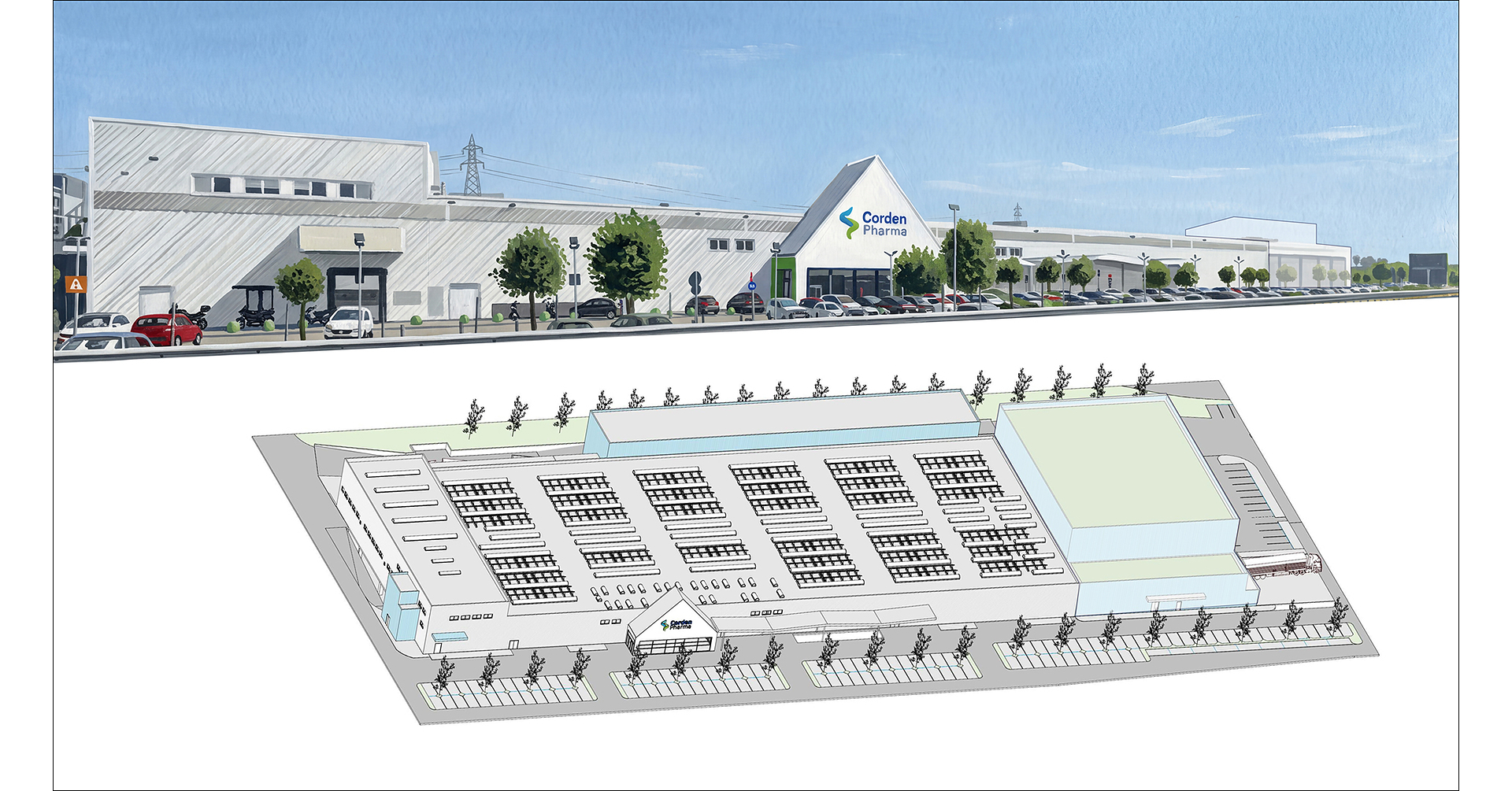
CordenPharma is investing €80 million over multiple years to expand sterile injectable manufacturing at its Caponago, Italy site, including a €13 million acquisition of an 11,000 m² building and 26,000 m² of adjacent land. The expansion, which raises the site footprint by more than 50%, is projected to lift capacity to as much as 500 million sterile injectable units annually. Two new aseptic isolator lines, targeted for completion in mid-2027 and 2028, include a Syntegon line capable of producing more than 500,000 pre-filled syringes and cartridges per day, positioning the CDMO to address growing demand for GLP-1, oncology, biologic, LNP and oligonucleotide manufacturing.
Analysis
This is a private-market capacity signal rather than a direct public-equity catalyst, but it reinforces that sterile fill-finish remains a strategic bottleneck for complex injectables. The most exposed public comparables are Lonza (LONN.SW), Vetter-linked private capacity, Catalent under Novo Holdings ownership, and Samsung Biologics (207940.KS); incremental European capacity should modestly temper pricing power in commodity vial/PFS work from 2028, while specialized LNP, potent API and lyophilized formats remain less substitutable.
The investable second-order read-through is strongest for aseptic-equipment suppliers. Syntegon is private, but Sartorius (SRT3.DE), West Pharmaceutical Services (WST), Gerresheimer (GXI.DE), Stevanato (STVN), and Bausch+Ströbel's private supply chain benefit if this project converts from announced footprint into installed lines. STVN and WST have the clearest consumables/content exposure through syringes, cartridges, containment and delivery systems, although customer-owned equipment and format mix make revenue capture unquantifiable today.
Near term, no trade is warranted: this is an unverified multi-year private-company capex commitment with meaningful execution and customer-utilization risk. Over 12-24 months, watch for permits, equipment orders, validation milestones and named anchor programs; a softer GLP-1 capacity cycle or FDA/EMA observations would impair returns before the facility reaches economic utilization. The contrarian point is that announced capacity may be defensive rather than evidence of incremental demand: widespread CDMO expansion could create excess fill-finish capacity just as large pharma internalizes mature GLP-1 production.
For 6-18 months, the higher-confidence theme is not generic injectable volume but device complexity. Auto-injector and PFS penetration shifts value toward delivery systems and high-specification packaging, favoring STVN/WST over broad CDMO operators whose returns depend on filling-line utilization and project mix.
AllMind Terminal
AI-powered research, real-time alerts, and portfolio analytics for institutional investors.
Request TrialMarket Sentiment
Overall Sentiment
strongly positive
Sentiment Score
0.58
Key Decisions for Investors
- Place STVN and WST on a 12-24 month capex-order watchlist; consider longs only after disclosed order-book acceleration or raised FY guidance tied to biologics/PFS demand. Target 2:1 upside/downside versus a 10-15% drawdown stop based on a guidance cut or evidence of PFS destocking.
- Maintain relative preference for SRT3.DE over broad sterile-CDMO exposure: recurring bioprocess and quality-control content captures industry buildout without underwriting a single facility's utilization. Reassess if biopharma capex orders remain negative for two consecutive quarters.
- Avoid chasing LONN.SW or 207940.KS on this item alone. Use evidence of European sterile-fill pricing deterioration, lower utilization commentary, or weaker 2027 contract wins as a trigger to evaluate a long STVN / short LONN.SW relative trade; absent those data, the capacity impact is too distant and too small to underwrite.
- Monitor 2027 equipment-installation and qualification milestones as an alert: delays beyond planned commissioning, FDA/EMA inspection findings, or lack of anchor-customer disclosure by 2028 would support the view that industry capacity is outrunning demand and would be negative for private CDMO valuations.
More News
- Here’s the ‘core economic flaw’ in the AI bull case as stock and bond trades unravel, according to a top economist
- Israelis hold final rally against Netanyahu ahead of what may be the most consequential election in the country’s history
- Biotech stocks are surging. How investors can play the new drug innovation boom
- Braskem creditors, shareholders near deal on $11bn debt restructuring
- Instacart reportedly discussed selling itself with DoorDash and Uber
- Nvidia's role as AI financier faces first big test as neoclouds take market hit