
Sedmý globální summit firem Huawei: setkání s nejlepšími instalačními firmami, budování nového energetického ekosystému pro domácnosti pro ekologičtější budoucnost
Source: PR Newswire
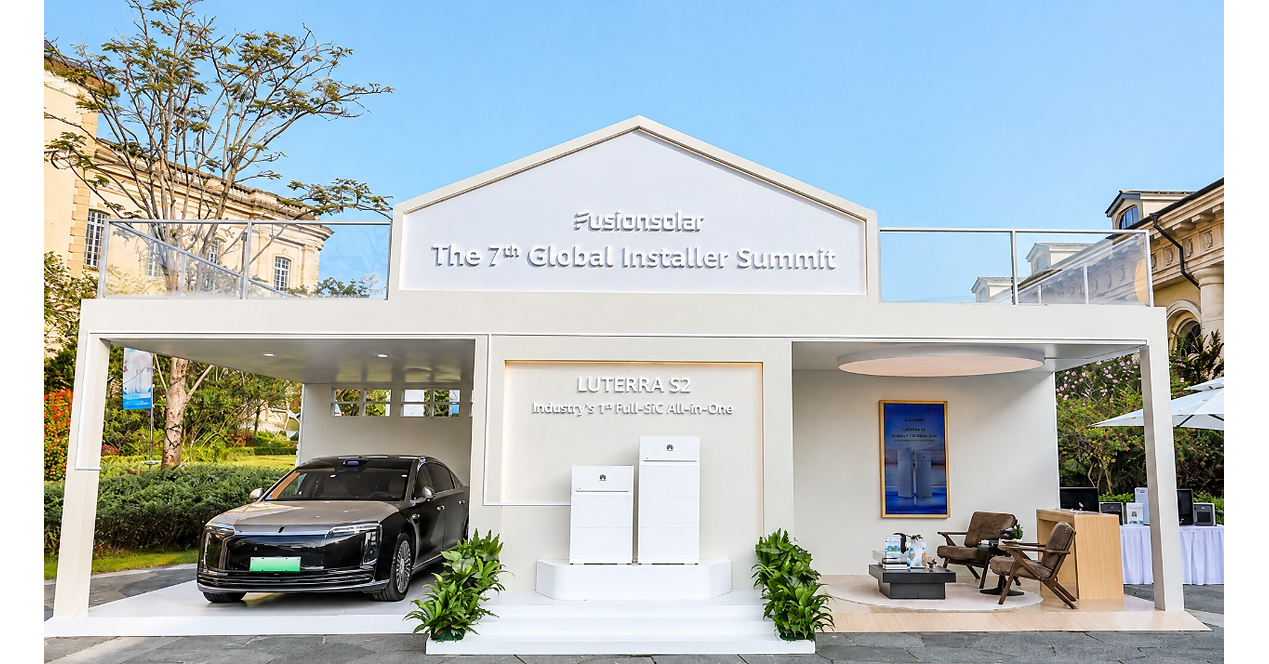
Huawei Digital Power unveiled LUTERRA S2, which it describes as the industry’s first all-in-one system based entirely on SiC; the company claims 10% more usable capacity and 43% higher lifetime energy yield, with installation in under 10 minutes. The system is scheduled to launch in Europe in November and Asia-Pacific in December 2026. Huawei said its seventh global installer summit brought together more than 1,000 partners and companies from 54 countries and regions.
Analysis
This is channel-positioning evidence, not yet evidence of material earnings upside. The economic lever is installer productivity: if simplified commissioning and fewer inventory variants work in ordinary field conditions, installers could complete more jobs per crew and favor a single-vendor package spanning solar, storage and charging. That could strengthen Huawei’s channel access and make competitors compete harder on price, service or financing—not just hardware. Potentially exposed rivals include Sungrow, SolarEdge, Enphase and SMA; the direction and scale of any impact depend on regional product availability and channel overlap.
Near term, the announcement is unlikely to justify a broad renewable-equipment trade. The product’s stated lifetime-yield and capacity advantages are company claims, and a timed installation contest is not a proxy for realized customer economics. Over the next 1–3 months, the meaningful checks are European launch availability, installer reorder/adoption, independent performance data, warranty terms and whether local grid, safety and interoperability requirements constrain deployment. Over 6–18 months, a genuine installer-cost advantage could accelerate bundling and subscription/service models, while raising customer-acquisition and pricing pressure for standalone inverter or storage vendors.
Contrarian read: the ecosystem framing may overstate hardware differentiation. In residential energy, financing, utility rules, electricity tariffs and installer trust can dominate a small efficiency edge. A delayed rollout, weak repeat orders, or no independently verified yield improvement would falsify the competitive-threat thesis. Geopolitical restrictions or certification issues are material downside risks to international scaling.
AllMind Terminal
AI-powered research, real-time alerts, and portfolio analytics for institutional investors.
Request TrialMarket Sentiment
Overall Sentiment
moderately positive
Sentiment Score
0.40
Key Decisions for Investors
- No immediate directional trade on this press release alone; treat it as a channel signal rather than an earnings catalyst.
- Put Sungrow, SolarEdge, Enphase and SMA on a relative-performance watchlist, but do not short solely on the launch. Reassess after evidence of competing-product displacement, discounting or weaker channel commentary.
- Over the next quarter, verify regional shipment availability, installer adoption/reorders, certifications, warranty economics and independent field-yield data before underwriting Huawei’s claimed productivity advantage.
- If adoption is confirmed and competitor pricing pressure emerges, consider a measured relative-value position favoring diversified energy-system providers over the most exposed standalone residential hardware names; define risk against subsequent earnings guidance and channel checks.
More News
- Explosions hit Iran’s Qeshm Island as US media report US strikes in Hormuz
- Marvell to buy Lumentum in $115 billion deal in AI data-center bet
- Oil price falls amid hope of a breakthrough to end Iran war
- Statement by the Monetary Policy Board: Monetary Policy Decision
- Marvell, Lumentum tout historic $115B deal to create ‘category leader' in AI connectivity
- The AI boom is facing another supply crunch. This time it’s the amount of capital available to feed Silicon Valley’s endless need for cash