
Butler National Corporation: Undervalued In Relation To Peers
Source: seekingalpha.com
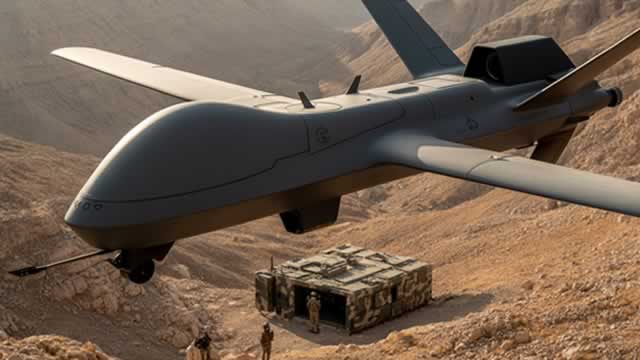
Butler National received a Buy rating after aerospace-segment revenue surged 92% year over year, supported by a $51.1 million backlog and operating efficiencies at Avcon and Butler-Tempe. Although some growth reflected timing effects, the company is viewed as positioned for sustainable double-digit revenue growth amid favorable industry trends, while trading at an apparent valuation discount to peers.
Analysis
BUKS screens as a micro-cap aerospace aftermarket optionality story rather than a clean defense beta. If aerospace mix continues to rise, the market can re-rate the company toward MRO/avionics peers such as HEI, TDG and AIR because recurring retrofit, certification and maintenance work generally carries better visibility and margin durability than project-based industrial revenue. The key second-order benefit is operating leverage: incremental engineering and certification revenue can absorb fixed technical labor and facilities costs disproportionately, but this only matters if conversion of quoted work into revenue remains consistent.
The near-term setup is less compelling than the headline growth rate suggests because a small revenue base, milestone timing and low trading liquidity can create sharp but non-fundamental price moves. Over the next 1-3 months, backlog conversion, segment gross-margin progression and cash generation—not reported revenue alone—are the relevant catalysts. A re-rating case weakens materially if aerospace growth falls below the mid-teens after timing normalization, if working capital consumes operating cash, or if the non-aerospace business requires capital that offsets aerospace free-cash-flow conversion.
Consensus may be underestimating the scarcity value of FAA-certified modification capability as aging business-jet and special-mission fleets extend service lives; OEM delivery constraints can increase retrofit demand rather than merely delay it. Conversely, the market may also be overstating peer-comparable valuation without adjusting for BUKS's micro-cap discount, customer concentration, limited float and potentially less diversified revenue base. The appropriate trade is therefore catalyst-driven accumulation, not a momentum chase.
AllMind Terminal
AI-powered research, real-time alerts, and portfolio analytics for institutional investors.
Request TrialMarket Sentiment
Overall Sentiment
moderately positive
Sentiment Score
0.62
Key Decisions for Investors
- Place BUKS on an accumulate-on-confirmation watch: initiate only after the next report demonstrates aerospace gross-margin expansion and positive operating cash flow alongside backlog replenishment. Use a 6-12 month horizon; size at 25-50% of normal small-cap risk allocation given liquidity and concentration risk.
- For an initial BUKS position, define thesis failure as two consecutive quarters of sub-15% aerospace growth, backlog declining without replacement awards, or aerospace margin contraction despite higher volume. Those outcomes would indicate timing-driven growth rather than durable utilization gains.
- Do not use HEI or TDG as direct shorts against BUKS: their scale, aftermarket pricing power and liquidity make the relative-value hedge structurally poor. If aerospace beta hedging is required, use a modest short in ITA or XAR against BUKS rather than company-specific peer shorts.
- Before underwriting a valuation target, obtain segment EBITDA, customer concentration, net debt/lease obligations, share count/dilution history and average daily dollar volume. Without these inputs, any apparent discount to aerospace peers should be treated as an alert rather than a quantified mispricing.
More News
- Japan’s corporate leaders sound alarm over weak yen — even dollar-earners are voicing concerns
- Fed hikes again - an AI-Picked insurer is still cashing in
- Berkshire May Boost Japan Trading House Holdings, Itochu Says
- 'Science fiction': Transport companies — the backbone of economy — are sounding alarm on fuel prices
- Fed delivers its first hike in 3 years. Plus, what's moving Starbucks and GE Vernova
- Jeff Gundlach says the Fed should have hiked rates by more to fight rising inflation