
Mars unveils the future of shopping and retail: New research predicts a shopper journey free of chores and full of fun
Source: PR Newswire
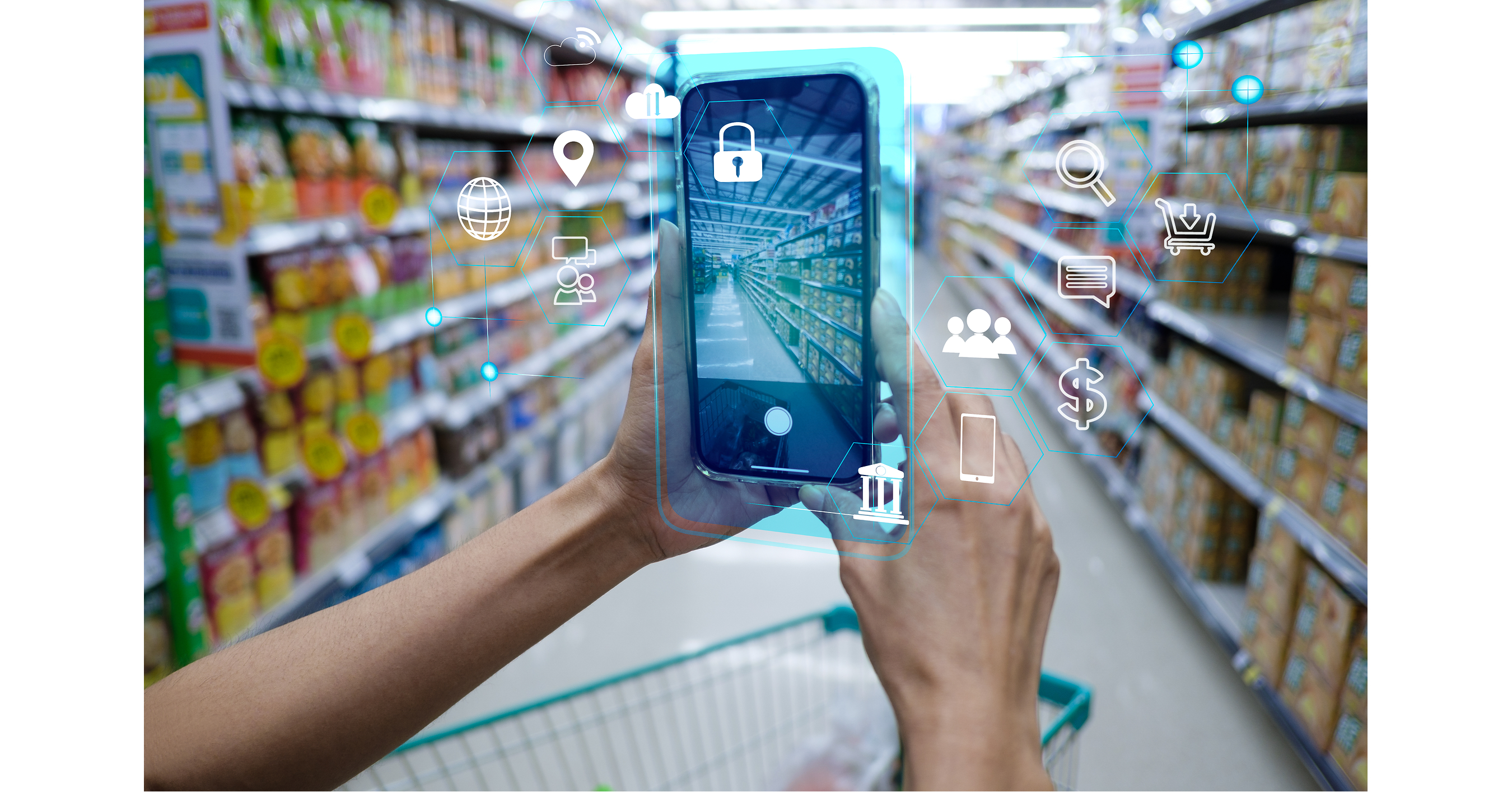
Mars said its study of more than 180,000 global data signals points to a retail shift over the next decade: AI-enabled systems may automate routine grocery purchases while physical stores and digital platforms emphasize discovery and experiences. The company identified three shopper priorities—effortless purchasing, personalized curation and experiential retail—and said brands and retailers will need to collaborate to support future snacking-category growth. Supporting indicators cited include 752% year-over-year growth in AI referrals to e-commerce brands during the 2025 holiday season and projected growth to $788B by 2035.
Analysis
The investable implication is a shift in bargaining power, not proof that shopping behavior is already changing at scale. If AI agents mediate replenishment, brands risk losing impulse-driven discovery and becoming interchangeable entries in a default basket; visibility could migrate to whoever controls product data, recommendation rules and sponsored placement. Retailers with first-party purchase data and strong fulfillment may gain leverage over packaged-goods suppliers, while brands may have to spend more on retail media or discounts to secure agent inclusion. Personalization also creates a split for snacks: health-oriented filters could favor protein and portion-conscious products while reducing exposure for less-aligned indulgence items. Experiential stores may help launch and differentiate products, but costly remodels are not automatically justified by the cited growth claims.
Mars is privately held, and this release provides no independently verified adoption, sales, margin or investment-return data. Treat it as strategic signaling rather than an earnings catalyst. Over 1–3 months, watch retailer and platform disclosures on AI-assisted basket share, sponsored recommendation monetization and supplier terms. Over 6–18 months, the structural test is whether agent-driven replenishment increases repeat rates without forcing CPGs into higher trade spending. The contrarian risk is that consumers retain control over grocery choices and discovery remains social or in-store; broad automation forecasts may overstate adoption. Thesis weakens if agent use does not translate into measurable grocery conversion, or if brands maintain discovery and pricing power without incremental placement costs.
AllMind Terminal
AI-powered research, real-time alerts, and portfolio analytics for institutional investors.
Request TrialMarket Sentiment
Overall Sentiment
mildly positive
Sentiment Score
0.20
Key Decisions for Investors
- No immediate trade: the release is a corporate forecast, not evidence of realized category growth or margin change, and Mars has no public equity exposure.
- Watch major grocers and commerce platforms for disclosures on agent-referred conversion, repeat-purchase rates and retail-media revenue. Favor evidence of monetization over announced AI features; avoid inferring benefits from pilot launches alone.
- For listed packaged-food exposure, monitor retailer commentary on trade promotion, search placement and SKU rationalization. Rising placement costs alongside weaker organic discovery would be a downside signal for branded-snack economics; greater repeat purchasing without higher selling costs would falsify that concern.
- Treat experiential retail as a selective, not sector-wide, opportunity. Require store-level traffic, conversion and payback evidence before underwriting capex-led gains; a lack of measurable sales lift would make the 'discovery destination' thesis vulnerable.
More News
- US stock market hits all-time high as investors bet big on AI
- Singapore's Temasek warns of the ‘biggest risk’ facing markets right now
- GIC Private Ltd, Medline 10% owner, sells over $721m in shares
- A 32% beat, a +6% jump: the IT solutions name our models picked in July
- Nvidia Is on the Verge of a $6 Trillion Market Value
- Controversial $110 billion mega-merger of Paramount and Warner Bros. finally closes