
RSE Enters the U.S. Market with Power Generation and High-Efficiency Thermal Technologies
Source: PR Newswire
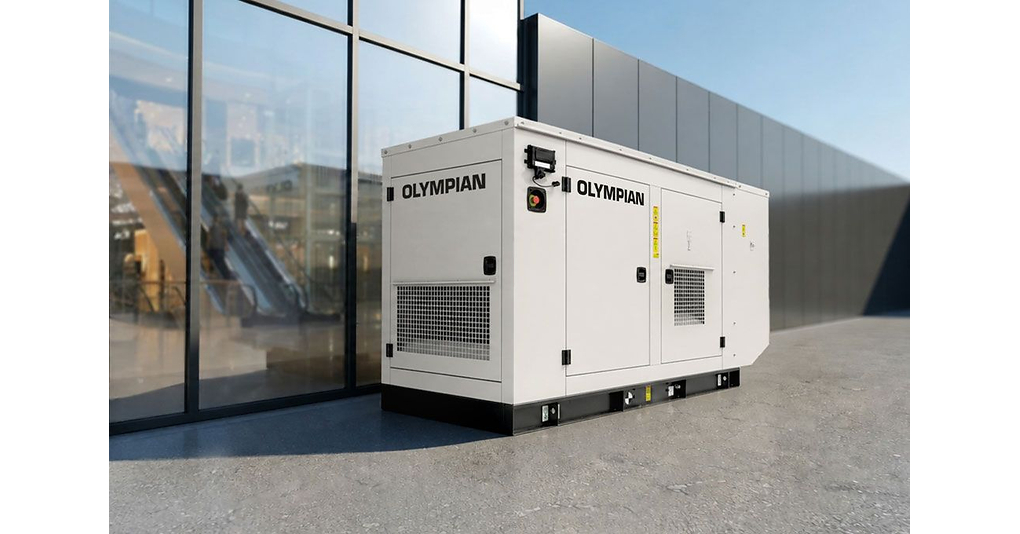
RSE Energy is entering the U.S. market with Caterpillar-manufactured Olympian diesel and gas generators ranging from 20 kW to 200 kW, alongside its industrial chillers and heat pumps. Its modular thermal platform offers chillers up to 3.5 MW and heat pumps up to 4.1 MW, targeting data-center cooling demand with a stated full-load cooling COP of 9.32. The announcement expands RSE's U.S. commercial presence but is a company-level market-entry update with limited broader market impact.
Analysis
CAT's incremental economic exposure is likely immaterial: this is a channel-extension announcement in a sub-200 kW generator category, not evidence of a meaningful order backlog or manufacturing ramp. The relevant near-term read-through is strategic rather than financial—additional local service coverage can improve Caterpillar's win rate where uptime, commissioning speed and maintenance response matter more than equipment purchase price, particularly at edge data centers and distributed industrial loads. There is no basis yet to revise CAT revenue or margin estimates without territory scope, inventory commitments, or disclosed pipeline conversion.
The more investable implication sits in the data-center cooling stack. R290-based modular chillers could pressure incumbent HVAC vendors in European-style high-efficiency designs, but U.S. adoption is constrained by permitting, refrigerant-charge limits, installer familiarity, and bankability requirements. Those frictions favor incumbents such as TT, CARR and JCI over the next 12-24 months: even if new entrants demonstrate superior modeled efficiency, hyperscale buyers typically demand a multi-quarter operating record, national service capacity and contractual performance guarantees before standardizing equipment.
Near term, treat the September industry event as a lead-generation catalyst only. A credible signal would be named U.S. reference installations, third-party part-load efficiency data, UL/ASHRAE compliance disclosures, and service-part stocking; absent these, the claimed efficiency advantage should not be capitalized into competitor valuation. Contrarian risk is that data-center power scarcity shifts procurement toward integrated onsite generation-plus-cooling packages, where smaller modular suppliers can win projects that major OEMs decline as too customized—an underappreciated route to share loss at the edge, but not yet a CAT earnings risk.
AllMind Terminal
AI-powered research, real-time alerts, and portfolio analytics for institutional investors.
Request TrialMarket Sentiment
Overall Sentiment
mildly positive
Sentiment Score
0.30
Ticker Sentiment
Key Decisions for Investors
- No directional CAT trade on this release. Maintain existing thesis; set an alert for disclosed distributor inventory commitments, named U.S. data-center deployments, or CAT commentary on sub-200 kW dealer-channel growth at the next earnings call.
- Maintain a 6-12 month quality bias toward TT and CARR versus unlisted/new HVAC entrants: incumbents monetize data-center cooling through installed-base service and validated performance, not solely initial equipment sales. Reassess if RSE secures multiple hyperscale reference sites or published U.S. certifications.
- For an edge-data-center or distributed-generation theme, prefer a watchlist rather than a position until project awards emerge: CAT benefits only if dealer sell-through converts, while VRT remains the more direct listed proxy for data-center thermal and power-density spending. Falsifier for this relative view: evidence that modular R290 systems materially displace conventional liquid/air cooling specifications in U.S. deployments.
- Avoid extrapolating the stated full-load efficiency metric into earnings estimates. Require independently verified annualized energy savings at relevant U.S. ambient conditions and installed cost; without those data, pricing power and adoption economics remain unproven.
More News
- Oil extends losses as Saudi Arabia reportedly offers ship-to-ship crude transfers after pipeline hit
- Japan’s corporate leaders sound alarm over weak yen — even dollar-earners are voicing concerns
- 'Hostile act': Trump threatens EU with tariffs over Canada associate-membership proposal
- US military claims Strait of Hormuz remains open amid ongoing blockade
- Oil prices extend losses as fears of Middle East supply disruptions ease
- Congress passes sweeping US sanctions bill targeting Russia
From AllMind Research
- Anthropic IPO Preview: Valuation, Timing, and What to Watch
- Shein After the IPO: Venue, Valuation, and What Must Be Proved
- What AI Research Tools Should a Small Hedge Fund Buy First?
- What Is an AI Research Agent?
- Bitcoin's 52% Crash Proves It's a Tech Stock: Here's What That Means for Portfolio Construction