
Společnost Hoymiles uvádí na trh stejnosměrnou nabíječku V2X s výkonem 22 kW, která doplňuje její integrovaný energetický ekosystém pro domácnosti
Source: PR Newswire
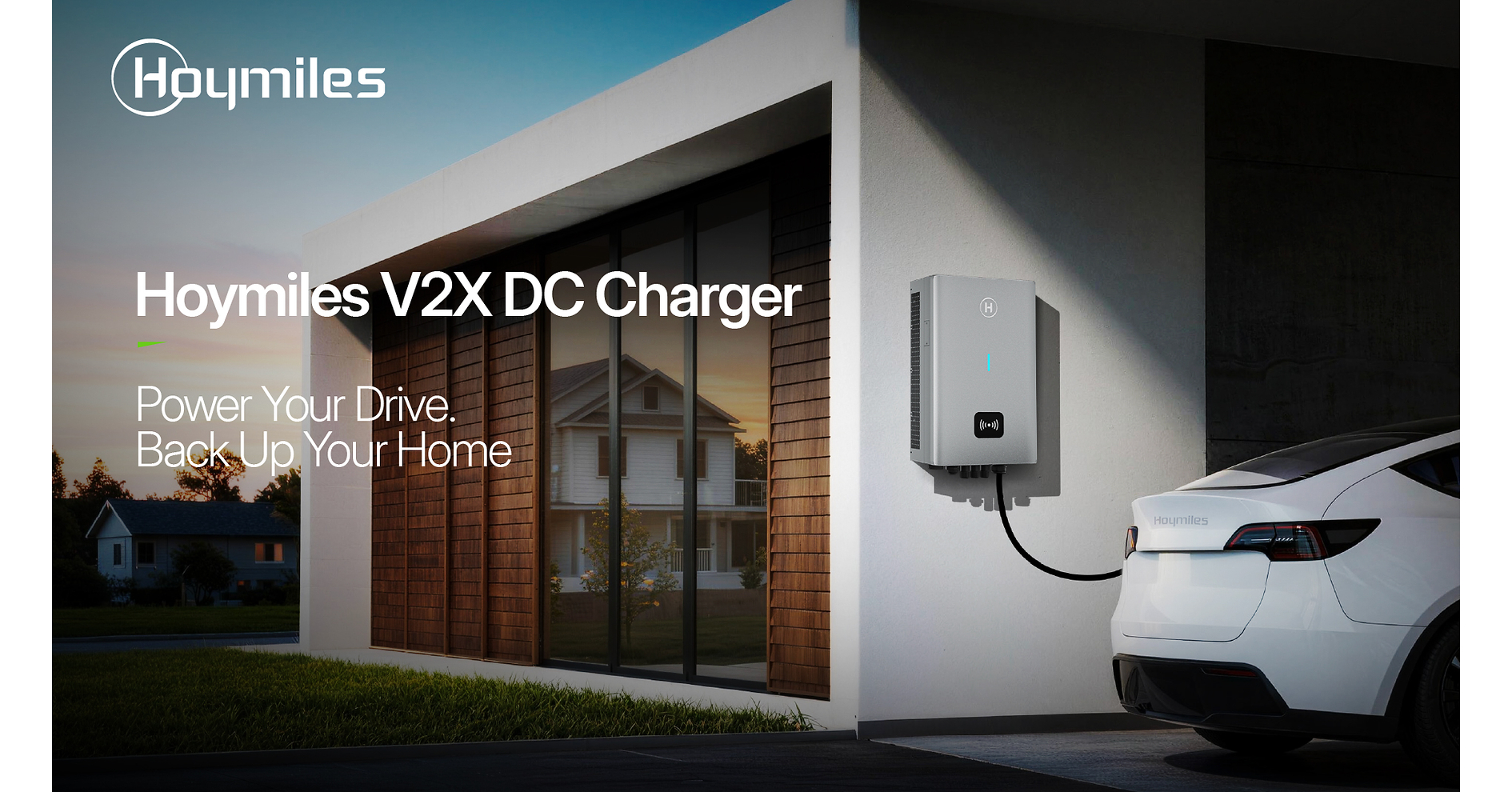
Hoymiles launched a 22 kW bidirectional DC V2X charger integrated with its HiOne home battery-energy-storage system, allowing EVs to provide Vehicle-to-Home backup power and participate in Vehicle-to-Grid and virtual-power-plant applications. The company says the charger can add about 110 km of driving range per hour versus roughly 35 km for a conventional AC charger, while supporting 95% of mainstream EVs. The product expands Hoymiles' residential ecosystem spanning solar generation, battery storage, energy management and e-mobility.
Analysis
This is strategically relevant to residential electrification but not yet investable as a standalone catalyst: the manufacturer is not publicly listed, and a product launch does not establish shipment volumes, installer adoption, vehicle-protocol coverage, or utility-market access. The economic bottleneck is less charging speed than bidirectional interoperability, permitting, interconnection rules, and whether local tariffs compensate homeowners for dispatchable capacity. Without those pieces, V2G remains a premium hardware feature rather than a recurring software or grid-services revenue stream.
The more material read-through is competitive pressure on residential solar-storage vendors. ENPH and SEDG need to preserve attachment rates for batteries, EV charging, and energy-management software; integrated offerings reduce customer acquisition costs and can make standalone inverter or charger products more substitutable. TSLA is structurally better positioned if home energy management becomes the purchase decision, but near-term benefit depends on bidirectional capability being enabled broadly across its vehicle fleet and utility programs rather than merely supported in hardware.
Over the next 1-3 months, this should not alter estimates for listed peers. Over 6-18 months, widespread V2H/V2G adoption could shift value from commodity solar hardware toward certified installation networks, software orchestration, and utility contracts; that favors ENPH's installer ecosystem and TSLA's ecosystem breadth more than charger-only names such as WBX. The contrarian view is that investors may overvalue the theoretical battery capacity of EV fleets: owners must accept cycling, vehicle OEM warranties must permit it, and peak-grid dispatch frequently conflicts with the household's need to retain driving range.
The thesis is falsified positively by disclosed commercial deployments with utilities, verified recurring VPP revenues, and meaningful battery/charger attach rates; it is falsified negatively by slow permitting, restricted vehicle compatibility, or OEM warranty limitations. Watch European retail-power spreads and capacity-market rules, since weak price arbitrage materially reduces homeowner payback even if hardware costs decline.
AllMind Terminal
AI-powered research, real-time alerts, and portfolio analytics for institutional investors.
Request TrialMarket Sentiment
Overall Sentiment
mildly positive
Sentiment Score
0.38
Key Decisions for Investors
- No immediate directional trade from this announcement; treat it as a watch item rather than a catalyst for ENPH, SEDG, TSLA, or WBX until third-party shipment, installer, and utility-program data emerge.
- Maintain a 6-18 month quality bias toward TSLA over WBX for residential-energy optionality: TSLA has broader ecosystem leverage, while WBX remains more exposed to charger commoditization. Reassess if TSLA does not show expanded bidirectional vehicle enablement or energy-storage growth at the next two earnings reports.
- For a higher-risk relative-value expression, monitor long ENPH / short SEDG only after evidence that bidirectional charging increases integrated-system attachment rates. Enter only if ENPH's storage revenue trajectory and gross-margin guidance stabilize while SEDG continues to require price concessions; invalidate on a renewed ENPH demand/guidance cut.
- Set an alert for utility-backed European VPP contracts and certified bidirectional deployments. If these show recurring capacity payments sufficient to shorten homeowner payback materially, revisit long ENPH and TSLA; absent that evidence, avoid assigning a V2G valuation premium.
More News
- Are global oil reserves sufficient to withstand renewed US-Iran war?
- EU entering winter with lowest gas reserves on record, IEA boss warns
- OpenAI Trims Target Value & Volvo Cars Cuts 2,500 Jobs
- Russia and Ukraine trade fresh strikes despite renewed push for U.S.-brokered peace talks
- U.S. oil holds above $100, Brent at five-month high as Iran says it’s prepared for warfare
- PG&E’s CEO says AI is ‘the best thing that could’ve ever happened to the grid’