
As Thailand Cracks Down on Foreigners, a Tourist Paradise Rethinks Its Welcome
Source: Bloomberg
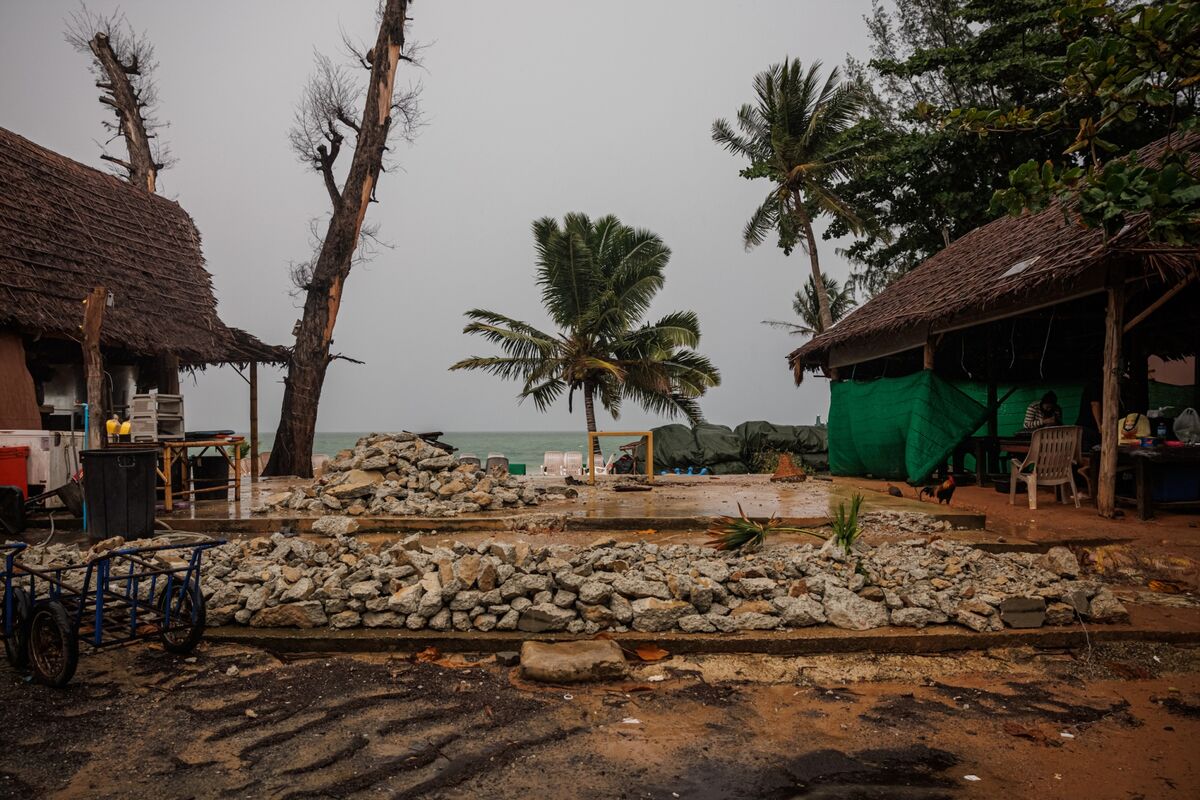
Koh Phangan, an island of fewer than 10,000 residents that receives more than 1 million overseas visitors annually, is seeing rising local concern over foreign-linked businesses and land ownership. The article describes growing resentment and a broader reconsideration of Thailand’s welcome to foreigners, but provides no specific policy measures or quantified economic effects.
Analysis
The investable risk is not the backlash itself but whether it becomes enforceable restrictions on foreign ownership, nominee structures, licensing, or short-term rentals. If enforcement is targeted, compliant Thai operators could gain share as informal competitors exit; if rules are broad or unpredictably applied, investors may defer projects and visitors may redirect bookings, pressuring island-focused hospitality and property exposure. Spillovers could reach lenders and suppliers only if delayed projects or weaker occupancy become material; the article provides no evidence of that transmission yet.
Near term (days to weeks), headline risk may weigh on sentiment more than earnings. Over 1–3 months, watch for concrete legislation, enforcement actions, and booking or arrival data; these determine whether this is a local land-use dispute or a wider tourism demand issue. Over 6–18 months, clearer rules could favor established, locally compliant operators while reducing speculative property development. The contrarian risk is that a crackdown narrative is overgeneralized: selective enforcement could improve local acceptance without materially impairing tourism. No company-level exposure, valuation, or policy detail is provided, so avoid assigning a quantified earnings impact.
AllMind Terminal
AI-powered research, real-time alerts, and portfolio analytics for institutional investors.
Request TrialMarket Sentiment
Overall Sentiment
mildly negative
Sentiment Score
-0.20
Key Decisions for Investors
- No immediate directional trade: the signal is weak and the scope of any policy response is unknown. Avoid adding concentrated exposure to island property or tourism until rules and enforcement are clearer.
- Set an alert for proposed changes to foreign ownership, nominee-company enforcement, business licensing, and short-term rental rules; distinguish nationwide measures from actions limited to Koh Phangan or other islands.
- If restrictions broaden and booking data weaken, consider reducing Thailand tourism beta relative to regional travel exposure; if enforcement is selective and demand holds, look instead for relative beneficiaries among compliant local operators. Verify listed-company revenue exposure before positioning.
- Falsification checks: no broad rule change or sustained enforcement, stable visitor/booking indicators, or evidence that affected businesses are too small to alter listed operators' earnings would argue against a material sector trade.
More News
- SoftBank’s Masayoshi Son Has Rare Cautionary Note on AI Safety
- Sen. Mitch McConnell closed a loophole in a hemp law he championed. Now a $28 billion THC industry that gets people high is fighting for survival
- The consumer isn’t cracking yet — but the math Is getting worse
- Manchester City must be relegated, says Canada’s ex-Leeds manager
- Meet the ‘mini Erin Brockoviches’ fighting off eminent domain—and the shadow of Amazon—as a data center hands out $10,000 to their neighbors
- Diesel prices are so high that commercial fishermen sometimes can’t even afford to leave the dock. ‘It’s huge. It’s crazy. Thank you, Donald Trump’