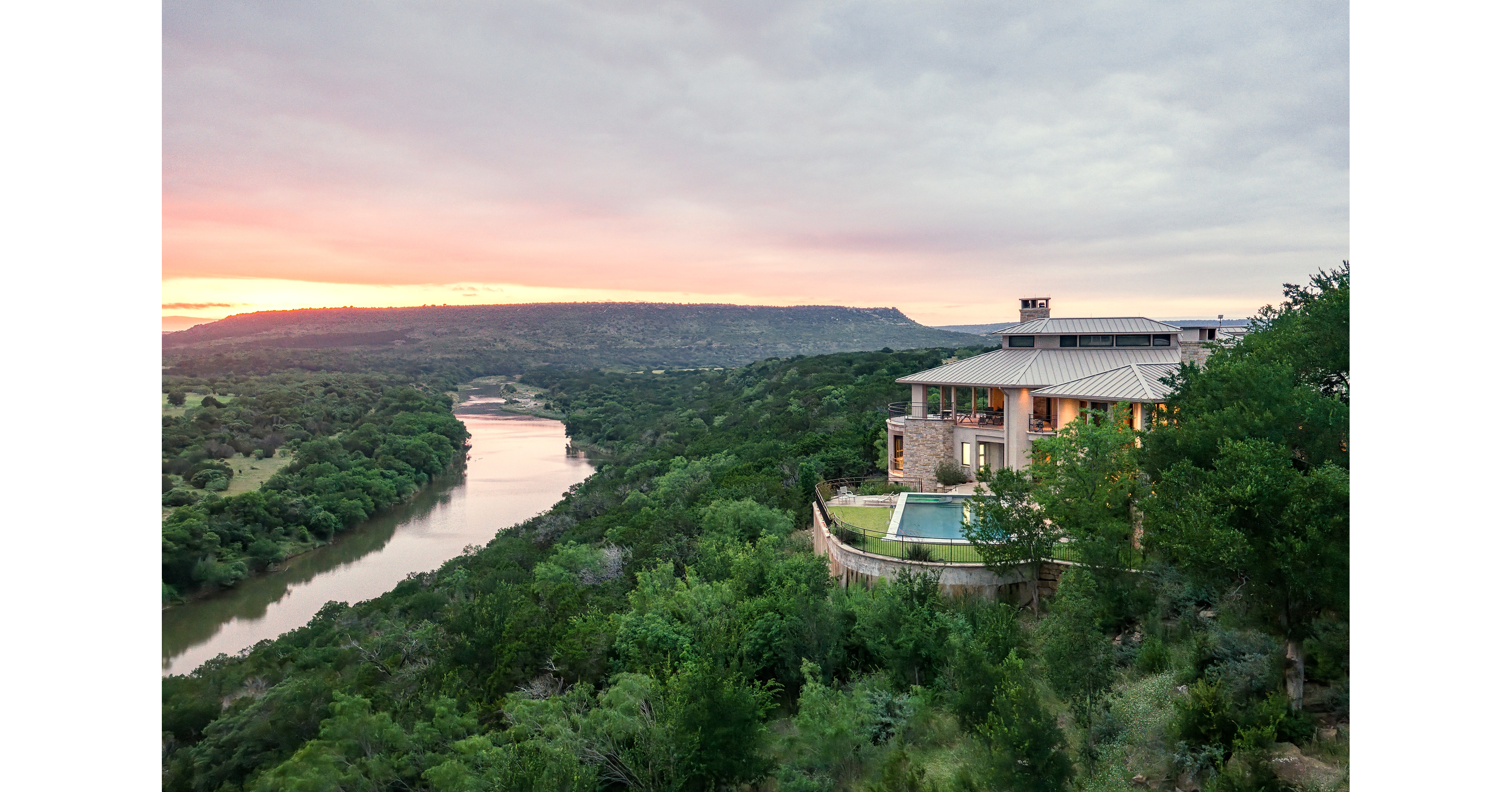
A ranch property, Rio Vista Brazos (100 acres) in Palo Pinto County, Texas, is being marketed for $7.995M. The listing highlights exclusive riverfront access along the Brazos River (~2,100+/- feet), resort-style amenities, and recreational features (fishing, canoeing/kayaking, duck hunting). No macro, earnings, or policy catalysts are mentioned, making this a primarily informational real-estate market update.
This is more a signal about the resilience of trophy-asset demand than about housing beta. For ultra-high-net-worth buyers, riverfront ranches are closer to scarce collectibles than rate-sensitive shelter, so pricing power is driven by wealth effects, liquidity preference, and local scarcity rather than mortgage affordability. The only public-market read-through is to the small set of brokers and service providers exposed to luxury land, and even there the key variable is transaction volume, not headline ask prices.
Second-order, if North Texas recreational acreage keeps clearing, it supports a scarcity premium for adjacent land parcels and reinforces the “Texas as hard-asset store of value” trade. That favors land assemblers, title/escrow, and niche brokerage franchises more than homebuilders; it also weakens the case for treating XHB or ITB as a clean proxy for affluent property demand. The loser set is broader housing/liquidity-sensitive names where buyer qualification still depends on rates and monthly payments.
Contrarian view: the market is likely over-reading a luxury listing as a demand signal. Ask prices on one-of-one assets are noisy, and the falsifier is not macro housing data but actual closed comps, days-on-market, and price cuts over the next 60-180 days. If trophy land inventory starts backing up, the scarcity narrative can unwind quickly even if broad Texas migration remains intact.
AI-powered research, real-time alerts, and portfolio analytics for institutional investors.
Request TrialOverall Sentiment
neutral
Sentiment Score
0.05
