
Brain Aneurysm Foundation Marks Brain Aneurysm Awareness Month with National Research, Education and Community Initiatives
Source: PR Newswire
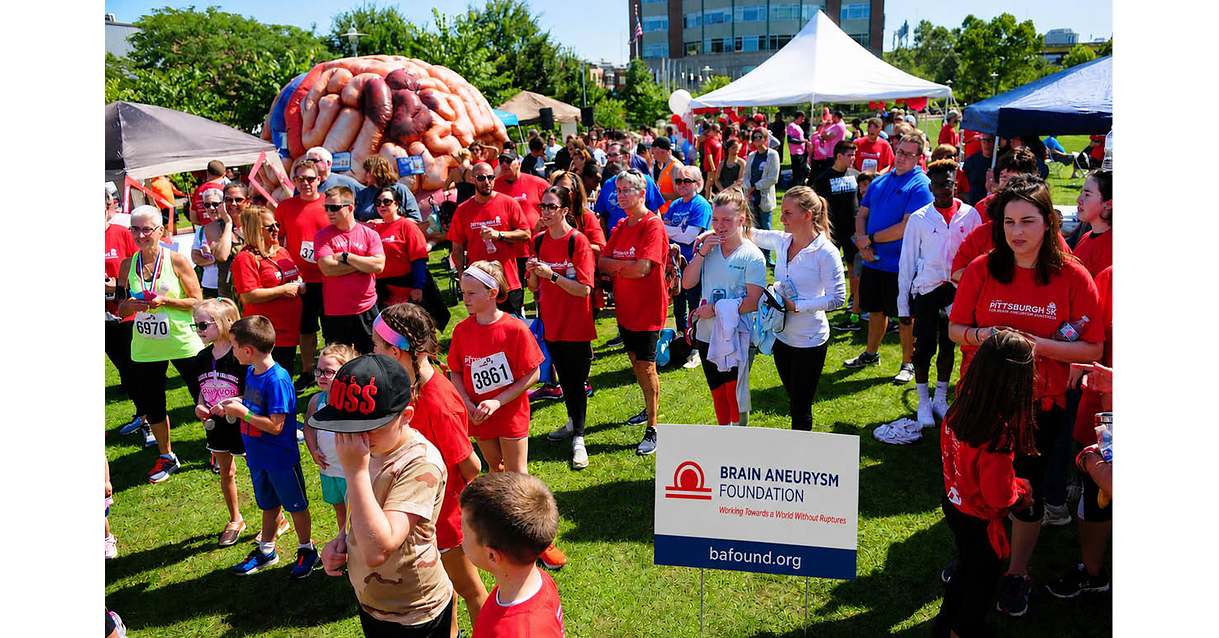
The Brain Aneurysm Foundation will award a record $650,000 across 18 research projects for brain aneurysm genetics, AI, diagnostics, imaging, and new treatments, alongside its 20th Annual Research Grant Symposium in Louisville on Sept. 17. The campaign also reiterates advocacy for Ellie's Law to increase NIH funding. The article is largely programmatic/mission-focused with limited direct market impact, but it signals continued incremental investment in medical research and potential pipeline development.
Analysis
This is a classic example of a real-world healthcare catalyst that is directionally positive for the ecosystem but probably not tradable in the public markets today. The economic benefit is likely to accrue first to a narrow set of neurovascular device makers, imaging OEMs, and AI workflow vendors if grant-funded projects translate into validated screening or triage tools; however, that monetization path is typically 3-7 years and depends on reimbursement and clinical adoption, not awareness alone.
The more immediate market mechanism is reputational and pipeline signaling: small-cap biotech/medtech names involved in aneurysm detection or intervention can use this kind of research sponsorship to strengthen grant-funding access and hospital relationships. In contrast, large diversified medtechs will barely see revenue impact, and any incremental procedure volume from earlier detection could be offset by tighter payer scrutiny if screening expands faster than evidence-based guidelines.
The real catalyst to watch is policy, not philanthropy. If Ellie's Law or related NIH appropriations progress over the next 1-3 quarters, it could lift sentiment for neurovascular innovation names and research-heavy diagnostics platforms; absent that, the news remains a slow-burn positive with no clear P&L translation. The contrarian view is that the market may overestimate near-term impact from “awareness” while underestimating how long it takes for rare-disease research grants to become reimbursed products.
From a falsification standpoint, any long thesis on the theme would be wrong if there is no legislative follow-through by the next budget cycle, no measurable increase in NIH awards, or if clinical studies fail to show improved sensitivity/specificity versus current imaging workflows. Price action in the relevant medtech basket should be treated as a watch item only, unless a named recipient or commercial partner is disclosed.
AllMind Terminal
AI-powered research, real-time alerts, and portfolio analytics for institutional investors.
Request TrialMarket Sentiment
Overall Sentiment
mildly positive
Sentiment Score
0.12
Key Decisions for Investors
- No immediate trade: treat this as a watchlist item rather than a conviction position; the direct cash-flow impact is immaterial for XLV, IHI, or broad medtech over the next 1-3 months.
- Create an alert on neurovascular names with asymmetric research optionality — PEN, MDT, and BSX — for any disclosed grant participation, clinical validation, or AI-imaging partnership that could re-rate the pipeline over 6-18 months.
- If Ellie's Law advances in committee or is attached to an NIH funding bill, consider a basket long in AI-imaging/diagnostics proxies versus XLV as a 3-6 month event trade; otherwise, fade any awareness-month pop.
- For a lower-risk expression, use a small long-dated call spread in a neurovascular innovator only after evidence of reimbursement or trial readout; without that, the implied-vol premium is likely not justified.
- Falsifier/watch item: if no policy movement or grant-to-commercialization conversion appears by the next budget cycle, remove the theme from active longs and keep it as a research pipeline monitor only.
More News
- Indonesia stocks suffer biggest daily slump since 1998 as MSCI weighs downgrade
- Order to limit Starshield for Ukraine came from inside White House: Reuters reports
- FDA approves Enspryng for thyroid eye disease treatment
- The Tesla Roadster 2 Is Here—and It Flies
- Ukraine to resume strikes on Russian refineries, shattering hopes of an 'energy ceasefire'
- Hybe shares jump 10% as K-pop sensation BTS' tour lifts earnings hopes