
La technologie des drones automatisés transforme encore plus les opérations de secours en montagne en Pologne
Source: PR Newswire
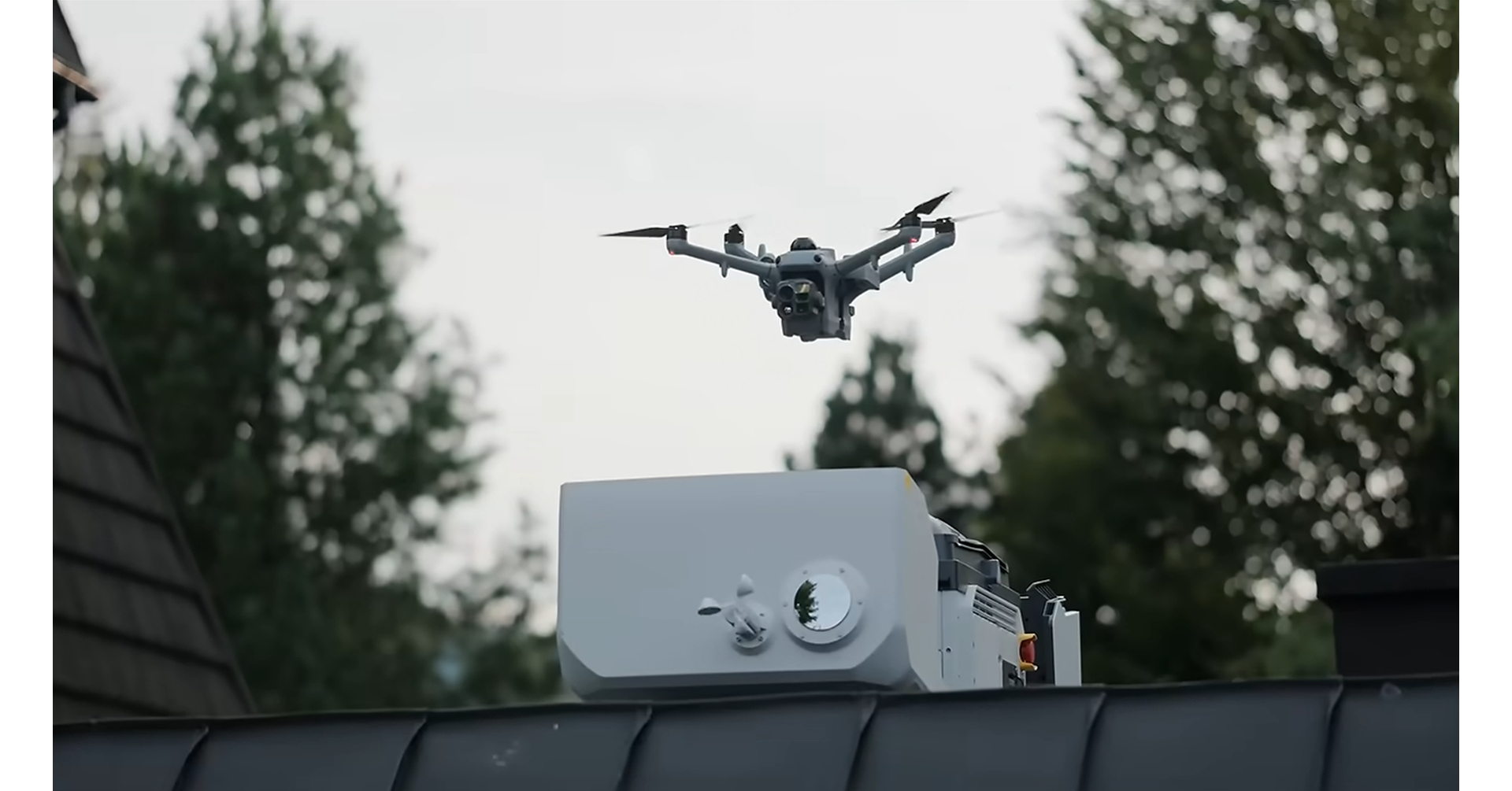
Poland’s TOPR mountain-rescue service is piloting DJI’s Dock 4 automated drone system after prior use of DJI Enterprise equipment, including Dock 3. The system can send a drone to reported incidents in minutes rather than the up to two hours needed for rescuers to assemble and reach a trailhead, supporting rapid assessment, thermal searches and communication with hikers; battery changes take 25 seconds. The article is a company-promotional case study and reports no financial results or market reaction.
Analysis
The investable signal is not the rescue outcome; it is evidence that an automated-drone system can be deployed as an operational workflow: dispatch, remote assessment, communications relay and repeat sorties. If that workflow proves reliable, value may accrue to integrated enterprise-drone platforms and fleet-management ecosystems, not just airframes. It also raises the bar for competitors such as Skydio and Parrot: a capable aircraft alone may be insufficient where customers need docks, connectivity and field operations to work together. That is a conditional competitive hypothesis, not evidence of lost contracts.
The evidence is weak for near-term financial attribution. This is a DJI-produced/co-produced case study of a pilot with one volunteer rescue service, with no disclosed deployment scale, procurement value, operating savings or independent performance data; the controlled-environment caveat further limits extrapolation. DJI has no supplied public-company identity, so this is not a direct equity catalyst. Near term, expect little durable listed-equity impact. Over 1–3 months, watch for additional paid deployments or procurement awards; over 6–18 months, repeatable deployments could support enterprise-drone demand, while regulation, weather reliability, communications coverage and security-related procurement restrictions could constrain adoption or favor alternatives. The contrarian point: the compelling demo may overstate commercial readiness—human oversight, maintenance, permissions and integration can keep total costs high even when launch time falls. No trade is justified from this release alone.
AllMind Terminal
AI-powered research, real-time alerts, and portfolio analytics for institutional investors.
Request TrialMarket Sentiment
Overall Sentiment
moderately positive
Sentiment Score
0.35
Key Decisions for Investors
- No immediate position: treat this as product validation, not evidence of material revenue or market-share change.
- Put DJI enterprise competitors, including Skydio and Parrot, on a relative-positioning watchlist; revisit only if comparable automated-dock deployments or customer wins show up in independently verifiable procurement data.
- For any future listed-sector exposure, require evidence of paid, repeat deployments and disclosed fleet scale or customer economics before buying a drone, robotics or industrial-technology proxy.
- Falsifiers for the adoption thesis: pilot non-renewal, lack of follow-on contracts, operational limits on beyond-line-of-sight flights, or procurement rules that exclude the relevant supplier. Track these alongside deployment counts and customer-reported uptime.
More News
- Binance co-CEO Richard Teng says hackers used fake job interviews, AI tool to steal $6.3 billion in crypto 108511116
- AMD stock jumps 7% on earnings as data center revenue nearly doubles
- Marvell-Lumentum Deal Puts Optical Networking at the Center of the AI Boom
- Marvell Technology could plunge on latest multibillion-dollar acquisition
- Disney Plans Thousands of Layoffs Companywide
- AI Inference Startup Fal Raises Capital at $16 Billion Valuation