
Natural Gas and Oil Forecast: Iran Escalation Tightens Hormuz as WTI Holds Breakout
Source: fxempire.com
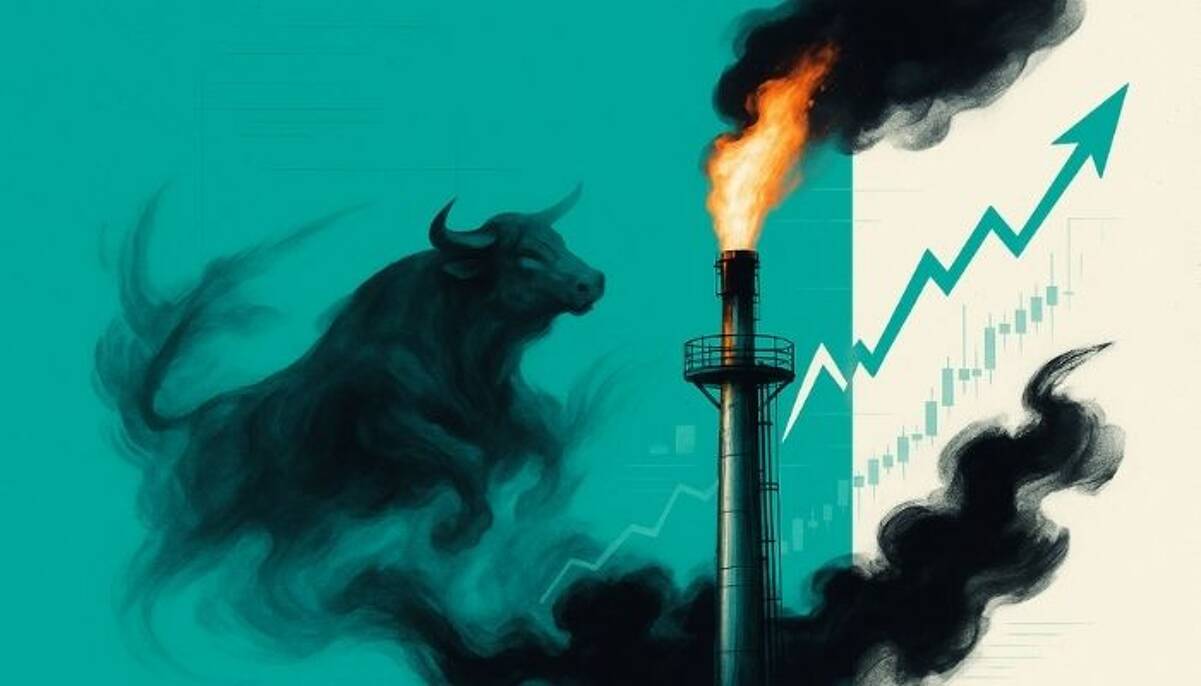
Escalating U.S.–Iran military conflict and expanded Iran restrictions on Strait of Hormuz shipping have sharply reduced Hormuz traffic, raising disruption risk to global crude flows and keeping oil/LNG tight. The U.S. Strategic Petroleum Reserve fell to a 44-year low as the U.S. considers swaps of Venezuelan heavy crude, while OPEC+ is expected to maintain pumped volumes after the reversal of 1.65 million bpd voluntary cuts. Natural gas is described as technically bullish (break above $2.99, bullish while above $2.92–$2.98), but the broader energy backdrop remains volatile due to Gulf supply imbalance and constrained LNG (Qatar/UAE ship-to-ship transfers; Asian LNG spot prices more than doubling pre-war).
Analysis
This is more a convexity trade than a clean directional crude call. The market is getting a real geopolitical risk premium, but part of the physical shortfall is being bridged by Iraq and steady OPEC+ policy, so the first move can fade quickly if there is no actual interdiction of barrels or tankers. The front end of the curve should stay bid while the tail risk is unresolved, but the upside becomes much more durable only if freight/insurance, not just futures, start repricing.
The cleaner second-order winner is LNG, where rerouting around Hormuz is costly and capacity is tighter than oil. That favors U.S. LNG-linked cash flows and domestic gas throughput names like NGS more than pure commodity beta, because volume and basis effects can persist even if Henry Hub only drifts modestly higher. The losers are energy-intensive importers and consumer names with weak pricing power; if crude holds up for several weeks, margin compression should show up first in retail, transportation, and chemicals.
Contrarian risk: the market may be overestimating how long policymakers tolerate $95-$100 Brent. A diplomatic step-up, Venezuelan swap headlines, or a quiet increase in Iraqi exports could knock crude back in days, while LNG tightness should unwind more slowly. That argues for defined-risk structures over outright futures, with the key falsifier being a daily close back below WTI $87.75 / Brent $92.27 or a clear normalization in Hormuz shipping flows.
AllMind Terminal
AI-powered research, real-time alerts, and portfolio analytics for institutional investors.
Request TrialMarket Sentiment
Overall Sentiment
mildly negative
Sentiment Score
-0.25
Ticker Sentiment
Key Decisions for Investors
- Buy XLE Nov call spreads on a confirmed WTI close above $92.67 or Brent above $96.95; target 2:1 payoff, and cut if WTI loses $87.75 on a closing basis.
- Long tanker exposure via FRO or STNG for 1-3 months: higher war-risk insurance and longer routing can lift day rates even if crude itself mean-reverts; trim if Hormuz traffic normalizes or spot freight rolls over.
- Small tactical long in NGS as a domestic gas-volume levered name, but keep size modest because this is a liquidity-sensitive satellite position; the thesis weakens if Henry Hub falls back below $2.88.
- If you need a consumer hedge, pair long XLE against short TGT into any crude extension; the trade works only if higher fuel and freight costs persist long enough to pressure retail margins, so cover if Brent drops back under $92.
- Use UNG only as a defined-risk momentum trade, not a structural long: enter on a break above $3.03 with a tight stop below $2.88, because record U.S. supply caps the upside unless Gulf LNG disruption broadens.
More News
- Natural Gas and Oil Forecast: Saudi Exports Recover as Hormuz Risks Persist
- A new Fed tightening cycle may have just begun. If that’s the case, buckle up
- How a US Diesel Export Ban Can Impact Prices, Oil Market
- How oil, gas losses have shrunk Iran’s GDP by 10 percent during war
- There’s $33 Trillion in Stock Gains Riding on the Future of AI
- What’s the US–China AI ‘hotline’ that Trump plans to pitch to Xi Jinping?
From AllMind Research
- Anthropic IPO Preview: Valuation, Timing, and What to Watch
- Shein After the IPO: Venue, Valuation, and What Must Be Proved
- What AI Research Tools Should a Small Hedge Fund Buy First?
- AI Tools for Family Offices: A Stack by Decision Type
- Reading Conviction in the Tape: What Level 3 Order Book Data Really Tells Discretionary PMs