
Oil Traders Stymied by Iran War Stalemate: Evening Briefing Americas
Source: Bloomberg
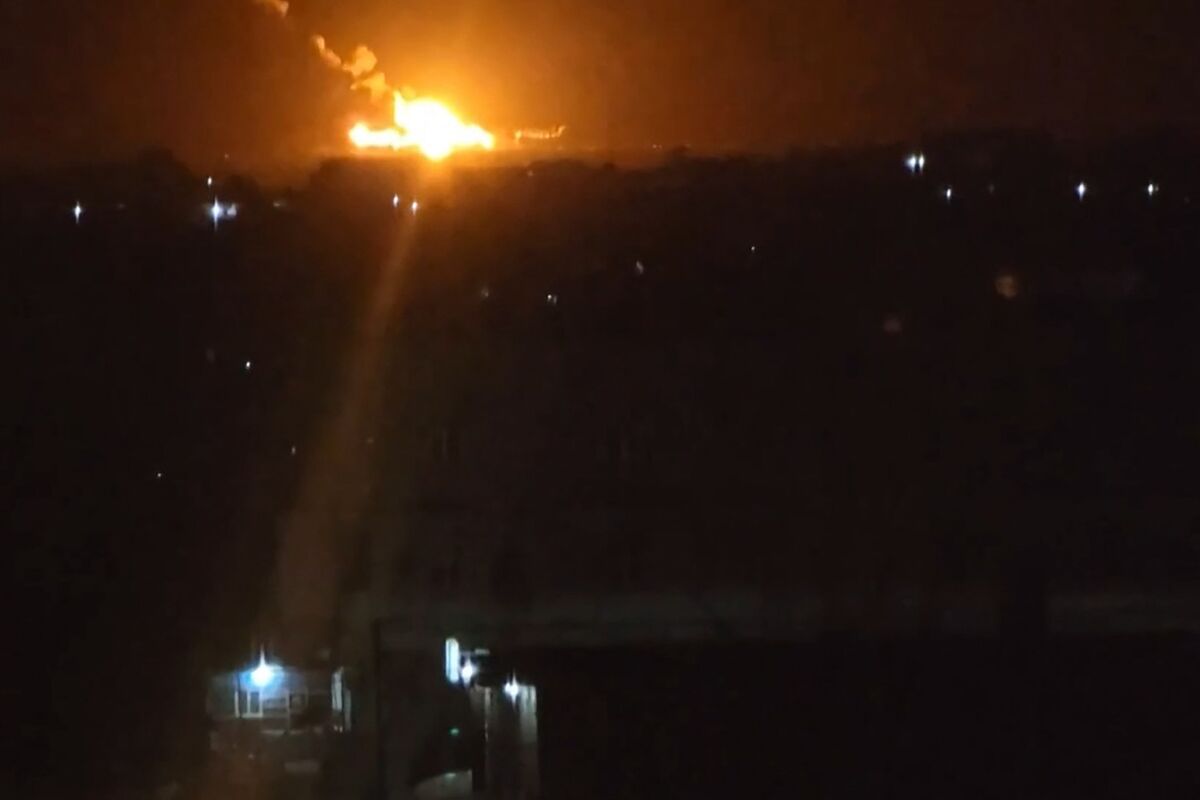
Oil declined on Thursday but remained near $105 per barrel as the more than six-month US-Israel war with Iran continued to destabilize the Middle East. JPMorgan analysts said forecasting an end to the conflict has become nearly impossible, reinforcing sustained geopolitical risk premiums and uncertainty for global oil markets.
Analysis
The actionable signal is not directional certainty but a durable geopolitical-volatility premium: when resolution timing is unknowable, prompt crude and implied volatility can remain elevated even without additional physical supply losses. This favors low-cost, unhedged North American producers such as FANG and DVN over integrated majors, whose downstream operations and broader international exposure dilute upstream torque. Refiners are more nuanced: VLO and MPC benefit only if product cracks outrun crude; a crude-led move without corresponding gasoline/distillate tightness compresses margins.
The principal second-order loser is oil-intensive transport. DAL, UAL and LUV face a lag between fuel-cost inflation and fare repricing, while chemical names including DOW face feedstock and demand-margin pressure. A sustained high-price regime also raises the probability of renewed inflation surprises, pressuring long-duration equities and limiting the scope for rate-cut expectations over the next 1-3 months.
Consensus may be overpaying for outright crude direction after a six-month risk premium has accumulated. The better expression is skewed exposure: upside protection remains valuable if transit infrastructure or regional production is disrupted, but a credible diplomatic channel, verified export continuity, or weakening global demand could unwind the premium rapidly. JPM has no clean earnings sensitivity here; its relevance is as a positioning and market-liquidity intermediary rather than a direct equity beneficiary.
AllMind Terminal
AI-powered research, real-time alerts, and portfolio analytics for institutional investors.
Request TrialMarket Sentiment
Overall Sentiment
mildly negative
Sentiment Score
-0.35
Key Decisions for Investors
- Initiate a 1-3 month long FANG / short VLO pair, sized modestly: upstream cash-flow sensitivity should outperform if crude remains elevated while refinery margins fail to keep pace. Exit if Brent falls below $95 for five consecutive sessions or if US gasoline cracks widen materially enough to restore refinery margin leverage.
- Buy 3-month USO call spreads rather than outright futures exposure, targeting a limited-risk structure around a move from $105 toward $120-$125. The thesis requires evidence of physical disruption or a steeper prompt curve; close if backwardation narrows sharply despite stable spot prices.
- Maintain a tactical underweight in DAL and UAL versus the S&P 500 over the next earnings cycle; fuel-cost guidance revisions and capacity discipline are the near-term catalysts. Cover if airlines demonstrate fare increases sufficient to hold unit-revenue less fuel margins despite higher jet fuel.
- Do not establish a directional JPM position from this development alone. Monitor energy-sector loan-loss provisions, client trading revenues, and capital-markets commentary at the next earnings print; those are the channels through which persistent volatility could become financially material.
More News
- The Fed is hiking again — and the rest of the world could feel the squeeze
- Oil is back above $100—but economists say that number isn’t the real threat to the U.S. economy
- Stocks are rallying after Fed sell-off. Why now may not be the time to buy the dip
- Crypto.com founder: Crypto’s battles will continue, but the war is over
- Sl spv-2, l.p. sells $25.9m in Dell Technologies stock
- Nike bets on a millennial Arnault heir after bleeding $200 billion and being ousted from the S&P 100