
Alexandria Real Estate: We've Already Seen The Bottom, Next Is The Retest
Source: seekingalpha.com
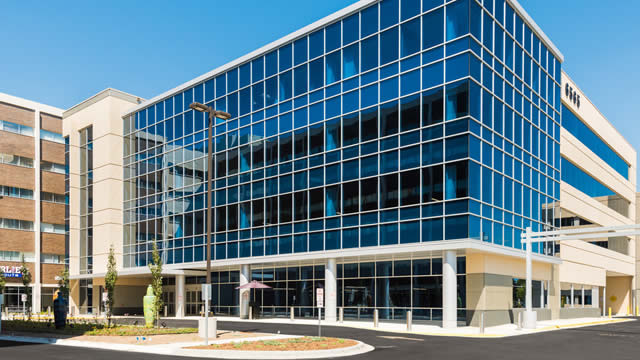
Analyst frames Alexandria Real Estate (ARE) as “deeply undervalued,” but flags near-term FFO headwinds from major lease expirations in 2027. The thesis expects recovery as new leases and projects ramp, with a proposed $45 average entry via tranches on weakness and a secondary trigger on a breakout above $55. Overall impact is more about timing/positioning than an immediate fundamental re-rating.
Analysis
The market is likely discounting a 2027 cash-flow air pocket rather than a broken franchise, which is why the stock can look cheap and still underperform for months. The important mechanism is duration: this is a REIT where the equity will trade like a long-bond on the way down and a recovery story only once leasing visibility improves. If rates fall, the multiple can rerate quickly; if rates stay sticky, the same “undervaluation” can remain trapped because FFO growth is pushed out.
The more interesting second-order effect is competitive. A weak ARE tape usually signals softer life-science leasing conditions broadly, which helps tenants renegotiate from a position of strength and can pressure newer development-heavy landlords to concede on rent, free rent, or TI packages. That can compress near-term spreads across the cohort, but it can also accelerate the pruning of marginal supply — a positive for the highest-quality clusters once capital markets reopen.
Risk is asymmetric around biotech funding and refinancing windows over the next 6-12 months. If venture and IPO activity stay subdued, tenant demand stays sluggish and the 2027 lease wall becomes a forward pricing anchor today. Conversely, a sustained decline in real rates or a revival in private biotech financing would be the cleanest falsifier, because both improve leasing velocity and lower the discount rate applied to the long-dated recovery case.
AllMind Terminal
AI-powered research, real-time alerts, and portfolio analytics for institutional investors.
Request TrialMarket Sentiment
Overall Sentiment
neutral
Sentiment Score
0.10
Ticker Sentiment
Key Decisions for Investors
- Build ARE only in tranches: starter long on a pullback toward the mid-$40s, then add only if 10-year real yields roll over and same-store NOI/FFO commentary stabilizes; treat this as a 6-18 month mean-reversion trade, not a quick catalyst.
- Use a conditional breakout rule: add if ARE clears the low-$55 area on volume after a lease-spread or occupancy inflection, because that would indicate the market is looking past 2027 rather than fading the setup.
- Pair trade idea: long ARE / short a broader REIT ETF (IYR or VNQ) only if life-science fundamentals stabilize faster than the rest of REITs; this isolates idiosyncratic rerating while reducing rate-duration risk.
- Watch-list alert rather than immediate trade: if biotech funding data, lab vacancy, or tenant credit events deteriorate over the next 1-2 quarters, fade any rally toward $55 and expect the stock to re-test the low-$40s.
- If rates fall sharply before leasing data improves, consider short-dated call spreads instead of outright equity to capture the rerating without overpaying for the still-real 2027 earnings overhang.
More News
- While consumers are angry about high-tech ways to set prices, a study of dynamic pricing found half the U.S. changes it recorded were decreases
- Indonesian stocks plunge to six-year low as MSCI downgrade fears mount
- Nifty Bank Heavyweights HDFC, ICICI in Focus After Weekend Earnings
- China's CXMT sees shares drop over 6% as investors look past chipmaker's profit turnaround
- Asian stocks skid, Wall Street and bonds aided by oil slip
- Australia’s Cleanaway agrees to $6.5 bln EQT buyout bid; shares surge
From AllMind Research
- Anthropic IPO Preview: Valuation, Timing, and What to Watch
- Shein After the IPO: Venue, Valuation, and What Must Be Proved
- What AI Research Tools Should a Small Hedge Fund Buy First?
- 2026 Global Markets Outlook: Asset Allocation After the Great Disconnect
- Fintool Alternatives After the Microsoft Acquisition