
Landmark Study Finds Little Free Libraries Dramatically Improve Book Access and Reading in Indigenous Community
Source: PR Newswire
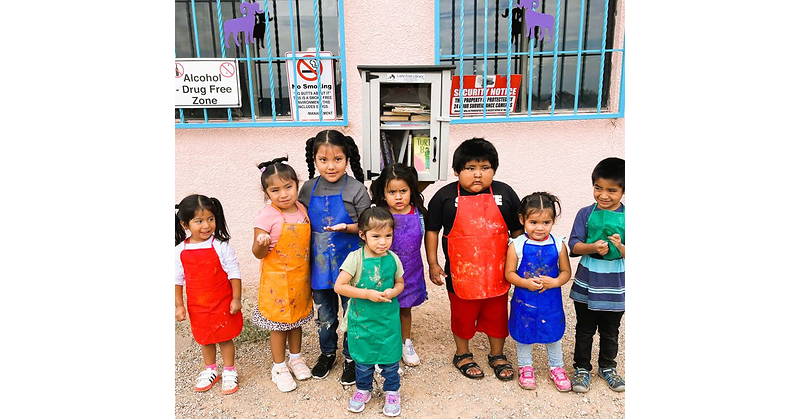
Little Free Library's study of 145 adult Tohono O'odham Nation residents found its Indigenous Library Program reduced average travel distance to free books by 68 miles and avoided roughly $40 in transportation costs per library trip. Access improved materially, with 89% reporting more available books, 96% finding books they were excited to read, and 38% of families with children saying they read more. The program has supplied 13 book-sharing boxes and more than 600 books, highlighting positive community and literacy outcomes but limited financial-market relevance.
Analysis
There is no directly investable issuer or disclosed commercial contract, and the study is too small and non-randomized to support a demand forecast for publishing, education, or retail. The principal near-term market implication is reputational rather than financial: publishers with credible Indigenous author catalogs may gain incremental eligibility for foundation, school-district, tribal, and corporate-ESG procurement, but the addressable volumes are immaterial to public-company earnings.
The more relevant second-order effect is that localized distribution can shift book purchasing from centralized library systems toward curated, community-level replenishment. If grant funding scales across tribal communities, small independent presses and distributors specializing in Native-language and Indigenous-authored content could capture disproportionate share; this is more likely to be a private-market/vendor opportunity than a catalyst for SCHL, WBD, AMZN, or Barnes & Noble parent B&N Education.
Consensus should not extrapolate reported reading behavior into recurring book-unit demand. Free access can increase engagement while cannibalizing retail purchases, and continued replenishment depends on donor funding rather than household willingness to pay. Over the next 6-18 months, the only investable read-through would be disclosed multi-community funding commitments, named publishing/distribution partners, or procurement data demonstrating recurring paid replenishment at scale. Until then, this is a philanthropy/ESG monitoring item, not a trade signal.
AllMind Terminal
AI-powered research, real-time alerts, and portfolio analytics for institutional investors.
Request TrialMarket Sentiment
Overall Sentiment
moderately positive
Sentiment Score
0.42
Key Decisions for Investors
- No directional equity or options trade: the stated impact is below the threshold for an earnings-relevant catalyst and no public issuer has direct exposure.
- Create an alert for disclosed national funding partnerships or a named commercial book supplier; evaluate only if contracts imply recurring annual spend large enough to affect a listed publisher's segment revenue or margin.
- For SCHL, monitor upcoming education-market commentary for evidence that culturally tailored and community-distributed titles are generating incremental paid orders rather than grant-funded substitution; absent that evidence, avoid attributing a revenue catalyst to this development.
More News
- How Pepsi fell behind in the cola wars—and then lost KFC
- The experience economy keeps defying expectations. Maybe we’ve been looking at it all wrong
- ‘We like to be first to be second’: How True Religion’s CEO is rebuilding the denim brand for Gen Z and millennials
- Instacart reportedly discussed selling itself with DoorDash and Uber
- France Faces New Protests After Week of Violence
- Sudan’s soaring fuel prices make getting by harder for workers