
Real Estate Expert Howard Goldberg Details Coastal Rental and Multifamily Property Ownership in HelloNation
Source: PR Newswire
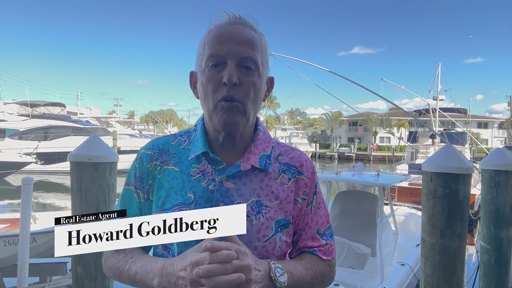
South Florida coastal rental and multifamily owners face elevated flood and wind insurance costs, potentially higher deductibles, strict rental-registration and short-term-rental rules, and intensified maintenance from salt air, humidity and storms. Winter demand can support occupancy but creates rapid turnover, while slower summer bookings may pressure income and require increased marketing. The article advises buyers to maintain financial buffers, backup vendors and sufficient time capacity for weather-related and operational emergencies.
Analysis
This is not a standalone tradable catalyst; it is promotional content rather than evidence of a change in insurance pricing, municipal policy, or booking demand. The investable implication is nonetheless directionally negative for highly levered, coastal-exposed residential owners: recurring insurance, reserve, and repair costs are largely fixed while rental revenue is seasonal, creating operating leverage that is most acute when occupancy softens. Public apartment REITs with broader Sunbelt portfolios, including MAA and CPT, are less exposed than small private owners, but localized expense inflation can still pressure same-store NOI and cap-rate assumptions.
The more consequential second-order effect is a widening quality gap between newer, better-capitalized properties and older coastal stock. Owners able to fund resilience upgrades can preserve insurability and financing access; marginal assets may face reduced buyer pools, higher required returns, and deferred-maintenance risk. Over the next 6-18 months, the key transmission channel is not tourism demand but lenders' and insurers' underwriting: higher deductibles or restricted coverage can force additional equity contributions at refinancing, particularly for small multifamily borrowers.
Consensus may overfocus on headline storm losses while underestimating the recurring friction of insurance renewals, maintenance reserves, and regulatory compliance. Conversely, broad short exposure to Florida housing is premature absent independently verified premium increases, adverse rent growth, or a material tightening in credit availability; well-located institutional assets can gain share as amateur operators exit.
AllMind Terminal
AI-powered research, real-time alerts, and portfolio analytics for institutional investors.
Request TrialMarket Sentiment
Overall Sentiment
mildly negative
Sentiment Score
-0.20
Key Decisions for Investors
- No immediate directional trade: treat this as a monitoring signal, not a catalyst. Require quarterly evidence of insurance-expense growth, renewal non-coverage, or downward NOI guidance before positioning.
- Maintain a relative-quality watchlist: favor larger, diversified Sunbelt apartment REITs MAA and CPT versus highly localized private-coastal exposure. Reassess if either reports insurance and repairs growing materially faster than revenue for two consecutive quarters.
- Watch mortgage and transaction-market stress through regional-bank commercial real estate disclosures, especially Florida multifamily criticized loans. A widening of CRE loss provisions or refinancing extensions would support a defensive tilt in KRE and regional-bank lenders with concentrated Florida CRE books.
- For a 6-18 month structural hedge, consider selective long RNR or CB in size only after confirming that higher property premiums are retaining through to underwriting margins rather than being offset by catastrophe losses or reinsurance cost inflation. Falsifier: falling renewal rates or rising catastrophe-loss guidance.
More News
- EU entering winter with lowest gas reserves on record, IEA boss warns
- OpenAI Trims Target Value & Volvo Cars Cuts 2,500 Jobs
- PG&E’s CEO says AI is ‘the best thing that could’ve ever happened to the grid’
- Defense giant Saab sees orders triple after Gripen fighter jet deal with Ukraine
- Volvo Cars shares plunge 25% amid China sales slump and fresh job cuts
- Mark Zuckerberg owns 13% of Meta but controls 61% of its votes. California’s wealth tax would bill him on the 13%
From AllMind Research
- Anthropic IPO Preview: Valuation, Timing, and What to Watch
- Shein After the IPO: Venue, Valuation, and What Must Be Proved
- What AI Research Tools Should a Small Hedge Fund Buy First?
- Weekly Update: AI-Powered Report Editing, Investor Relations, and Enhanced Search
- Automating Financial Model Updates: A Source-Controlled Workflow