
Amylu Foods Retail Footprint to Grow Nearly 50% as Brand Accelerates National Expansion
Source: PR Newswire
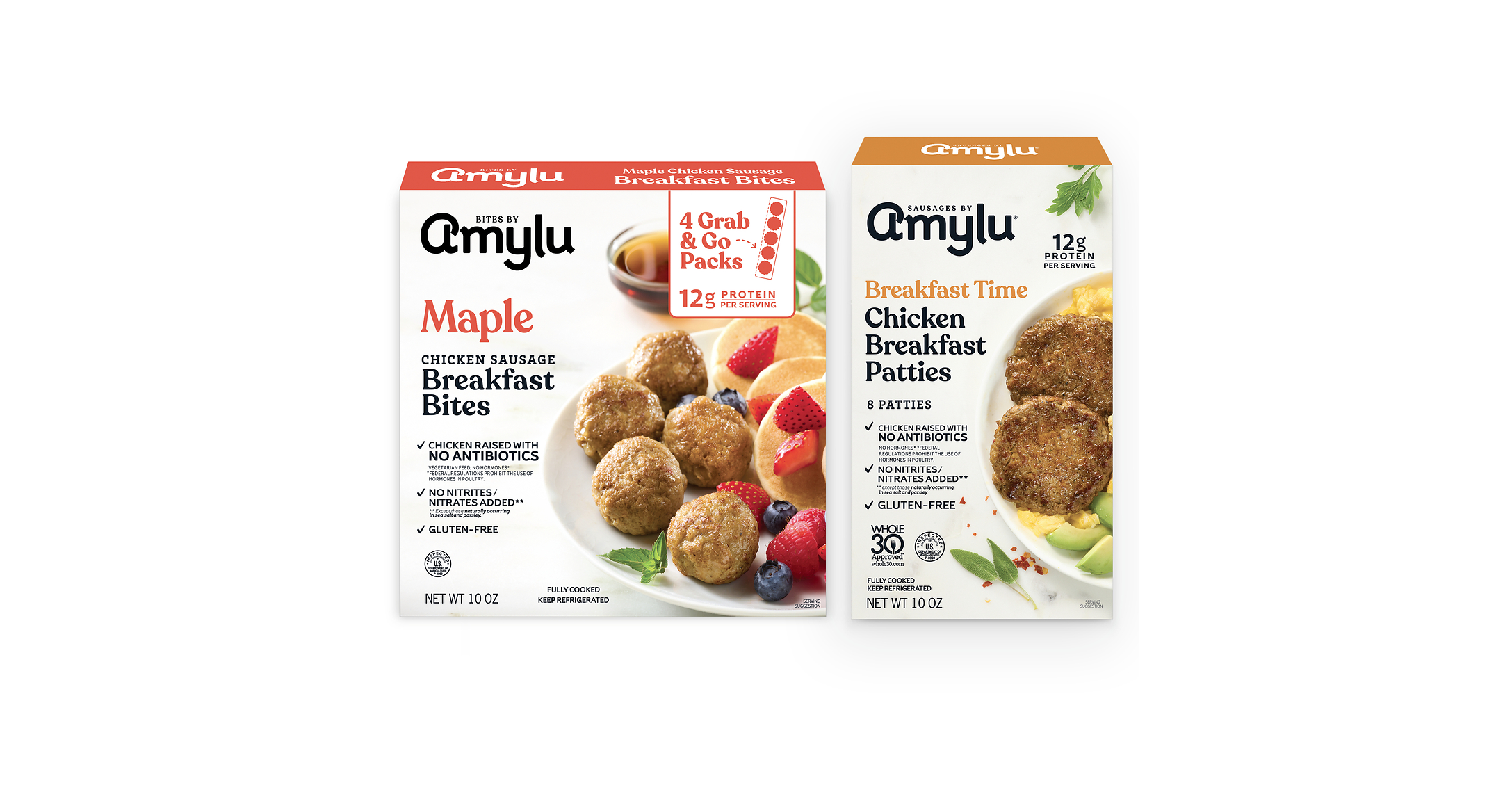
Amylu Foods reported 107% year-over-year dollar-sales growth and expects its retail distribution to rise nearly 50% to 129,998 points of distribution by year-end 2026, from 87,547 in 2025. Target will expand or newly distribute 11 Amylu products in September, including three launches and two refrigerated breakfast formats. The company cites rising demand for convenient, protein-focused foods, including demand associated with GLP-1 medication trends, while claiming leading dollar-growth positions in chicken sausage and refrigerated chicken breakfast sausage.
Analysis
For TGT, the relevant mechanism is not supplier revenue but basket-building: refrigerated, protein-forward convenience products can support grocery trip frequency and attach purchases better than discretionary general merchandise. The incremental sales contribution is almost certainly immaterial to consolidated revenue, but sustained velocity in this assortment would validate Target’s food-and-beverage mix as a modest gross-margin and traffic stabilizer during seasonal discretionary volatility. The near-term read-through is therefore to category execution rather than a TGT earnings change.
The more consequential competitive pressure falls on scaled refrigerated-meat incumbents—TYSON (TSN), Hormel (HRL), and, in breakfast adjacency, J.M. Smucker (SJM)—if faster-growing premium chicken formats take shelf space from conventional pork sausage and frozen breakfast offerings. This is not yet a public-equity trade: the claims are supplier-reported and omit Target door count, SKU velocity, promotional funding, net pricing, and whether new facings displace existing Target SKUs. Over 1-3 months, Circana/SPINS velocity and Target grocery comparable-sales commentary are the needed confirmation; over 6-18 months, a broader shift toward convenient high-protein foods could favor retailers with credible cold-chain assortment depth, while pressuring legacy processed-meat volume growth.
Contrarian view: the protein/GLP-1 narrative may be over-attributed. GLP-1 users typically reduce total food intake, and premium refrigerated products need sufficiently high repeat rates to offset more frequent promotional activity and shrink. A weak holiday general-merchandise season would overwhelm any small grocery traffic benefit to TGT; similarly, commodity chicken inflation could force promotions or raise retail prices, limiting category margin accretion.
AllMind Terminal
AI-powered research, real-time alerts, and portfolio analytics for institutional investors.
Request TrialMarket Sentiment
Overall Sentiment
moderately positive
Sentiment Score
0.62
Ticker Sentiment
Key Decisions for Investors
- No standalone TGT position on this development; treat it as a watch item. Reassess only if Target reports accelerating food-and-beverage comparable sales or gross-margin resilience in the next 1-2 earnings cycles while discretionary sales remain soft.
- For an existing long TGT, monitor refrigerated-food shrink, grocery gross margin, and traffic in the next earnings release. A deterioration in gross margin or traffic despite expanded food assortment falsifies the basket-building thesis; do not underwrite more than a de minimis earnings benefit from this launch.
- Watch TSN and HRL scanner data for refrigerated chicken-sausage and breakfast-meat share losses over the next 8-12 weeks. Consider a tactical short only if share losses emerge alongside volume-guidance pressure; absent that evidence, incumbent scale and distribution make displacement risk too speculative.
- Set an alert on broiler/chicken input inflation and Target promotional intensity through year-end. Rising input costs combined with elevated promotions would turn the apparent premium-protein opportunity into a margin risk for both retailers and branded suppliers.
More News
- Children's clothing retailer Carter's is rebranding to appeal to a new generation of parents
- Grab aims for 'next level' in financial services with purchase of buy-now pay-later platform Atome
- China's AI leaders keep quiet despite U.S. 'publicity' on tech risks
- Exclusive-Malaysia talks to rival airlines as it monitors AirAsia’s financial health, sources say
- Chinese investors rush into US stocks as Beijing opens wider path overseas
- Is Amazon Stock a Buy After Its Best Quarter in Years?