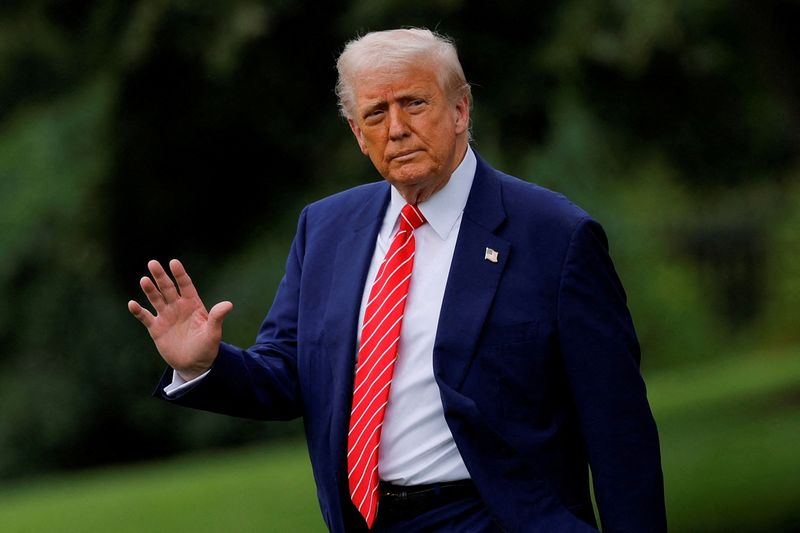
Trump said U.S. farmers should see "very good things" over the next 90 days as he looks to offset elevated fuel and fertilizer costs tied to the Iran conflict and broader Middle East tensions. He also reiterated expectations for lower energy prices, highlighted China’s pledge to buy billions of dollars of U.S. farm goods, and pointed to tax provisions supporting farm machinery and estate planning. The article underscores persistent pressure on farmers from higher input costs, trade disruptions, and more than 300 farm bankruptcies in 2025.
The market is beginning to price the second-order inflation impulse from a Middle East energy shock: not just higher gasoline, but a wider squeeze on input-sensitive businesses and discretionary rural demand. That matters because ag machinery, farm services, fertilizer distributors, and regional banks with Midwest ag exposure typically lag the first move in oil by 1-2 quarters, then re-rate when credit stress shows up in delinquency data. The pressure is asymmetrical: farmers can delay capex, but they cannot hedge diesel and fertilizer as efficiently as downstream processors and large integrated input suppliers.
The policy response is likely to be noisy and temporary, which argues against treating this as a clean secular winner/loser setup. Any attempt to offset fuel or fertilizer costs would probably be blunt, politically timed, and subject to headline reversal if energy prices mean-revert; that makes the tradable edge more about volatility than direction. The most fragile part of the chain is leverage: smaller farms, ag retailers, and rural lenders are exposed to a multi-month cash-flow deterioration if input costs stay elevated into planting/harvest cycles.
The contrarian angle is that the market may be overestimating how much the conflict can sustainably lift U.S. farm costs if crude breaks lower on diplomacy or supply rerouting. In that case, the immediate beneficiaries are not farmers but refiners and logistics-heavy businesses that can pass through price spikes faster than commodity producers. The deeper opportunity is relative-value: long balance-sheet strength and pricing power, short operating leverage to diesel/fertilizer plus rural credit sensitivity.
AI-powered research, real-time alerts, and portfolio analytics for institutional investors.
Overall Sentiment
neutral
Sentiment Score
-0.10
