
30-year mortgage rate jumps to 7.17% — a nearly 2-year high — in the latest blow to the housing market
Source: MarketWatch
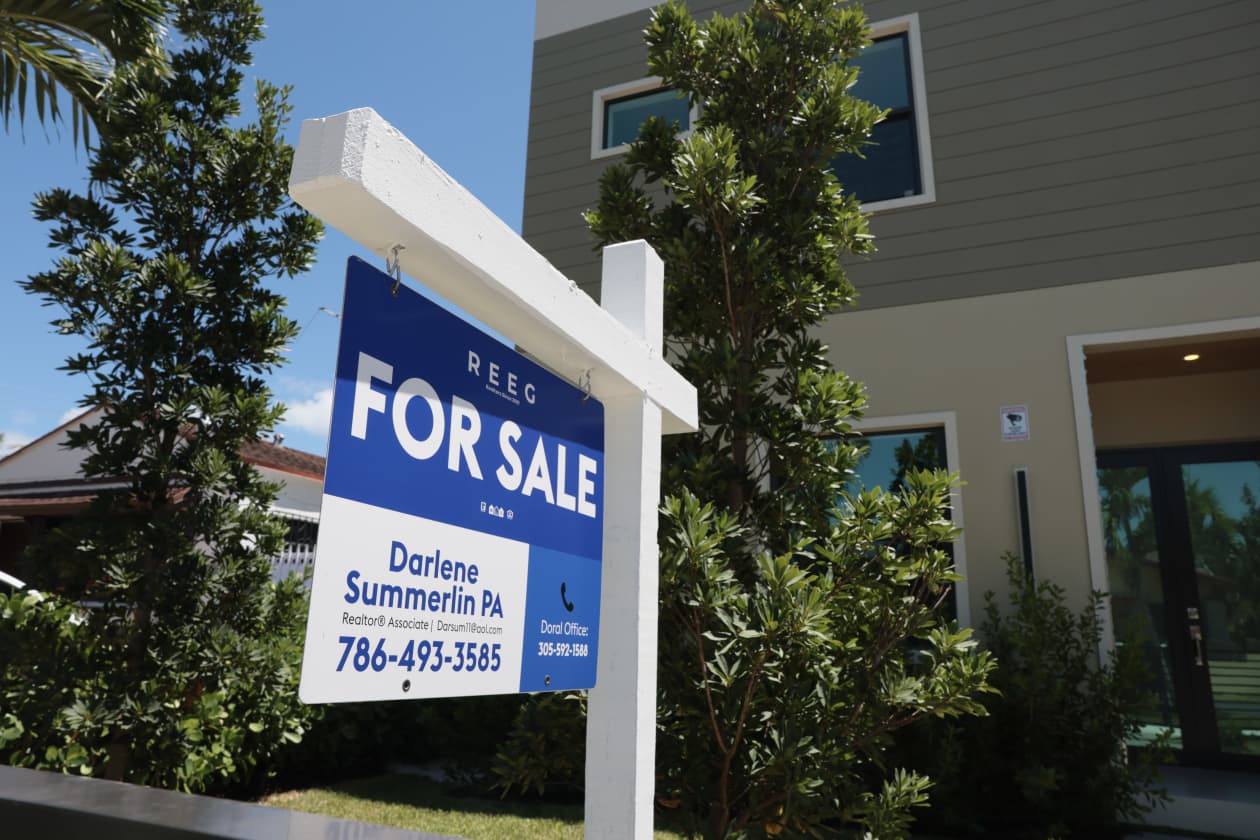
The average 30-year fixed mortgage rate rose 5bps to 7.17%, a 20-month high, and is up 23bps since the prior Tuesday. The increase followed the 10-year Treasury yield crossing 5% and came ahead of an expected Federal Reserve rate hike, adding further pressure to housing affordability, transaction activity and residential demand.
Analysis
The relevant transmission is not simply weaker home sales; it is a widening advantage for scaled public builders with land banks, spec inventory, and captive mortgage platforms. DHI, LEN, PHM and NVR can subsidize rates or offer incentives while preserving headline pricing, pulling share from smaller private builders and the existing-home channel. That mix shift can protect unit volumes but compress gross margins over the next 1-3 quarters, making order growth alone a misleading read-through.
The most acute downside is concentrated in transaction-dependent models: RDFN, OPEN, RKT and regional-bank mortgage books face lower purchase volumes, reduced refinancing, and weaker ancillary revenue. Lock-in reduces resale inventory, which initially supports home prices and builder demand, but prolonged affordability pressure eventually caps household formation and forces builders to compete harder on monthly payment. Apartment REITs are a mixed case: reduced homeownership affordability supports rentals, but higher cap rates and refinancing costs can overwhelm that operating benefit for highly levered names.
Consensus may be too bearish on the largest builders and insufficiently bearish on housing intermediaries. A rate shock that freezes existing inventory creates a quasi-oligopolistic new-home market; public builders can monetize that scarcity through financing incentives and gain share even in a lower-volume market. The thesis fails if mortgage rates retreat materially over the next 1-3 months, reopening resale supply and restoring refinance/purchase activity faster than expected; monitor builder cancellation rates, incentive intensity, and mortgage-lock volumes rather than headline starts.
AllMind Terminal
AI-powered research, real-time alerts, and portfolio analytics for institutional investors.
Request TrialMarket Sentiment
Overall Sentiment
moderately negative
Sentiment Score
-0.45
Key Decisions for Investors
- Initiate a 3-6 month relative-value position: long DHI and LEN / short RDFN, sized market-neutral. Builders' captive-finance and incentive capacity should widen share gains versus resale brokerage exposure; reassess if DHI/LEN cancellation rates rise materially or if mortgage rates fall below 6.5%.
- Avoid broad long exposure to ITB or XHB until upcoming builder earnings clarify the margin cost of rate buydowns. Prefer individual large-cap builders over the ETFs because ETF holdings include suppliers and smaller builders that do not share the same financing advantage.
- Maintain a tactical underweight in RKT and OPEN for the next 1-2 earnings cycles; the key downside catalyst is lower purchase-lock and refinance volume, not merely lower housing prices. Cover on evidence of sequential mortgage-origination growth or a sustained decline in long-end yields.
- Watch EQR, AVB and MAA rather than buy immediately: rental demand may improve at the margin, but only consider long exposure if Treasury yields stabilize and forward debt refinancing assumptions stop moving higher. A continued rise in cap rates is likely to dominate near-term occupancy benefits.
More News
- Budget 2026 speech
- The UK cuts energy bills, taxes banks and boosts defense in high-stakes budget
- Federal Reserve issues FOMC statement
- Asian shares fall as Alphabet earnings miss drags Wall St futures lower
- Dollar steady after Fed hold leaves rate path murky
- Fed mantiene tasas sin dar muchas pistas sobre diciembre