
'FOOD TRUTH: HOW ULTRA-PROCESSED FOOD DESTROYED OUR HEALTH AND HOW TO MAKE FOOD A FORCE FOR GOOD' BY PETER CASTLEMAN TO BE RELEASED WORLDWIDE NOV. 10
Source: PR Newswire
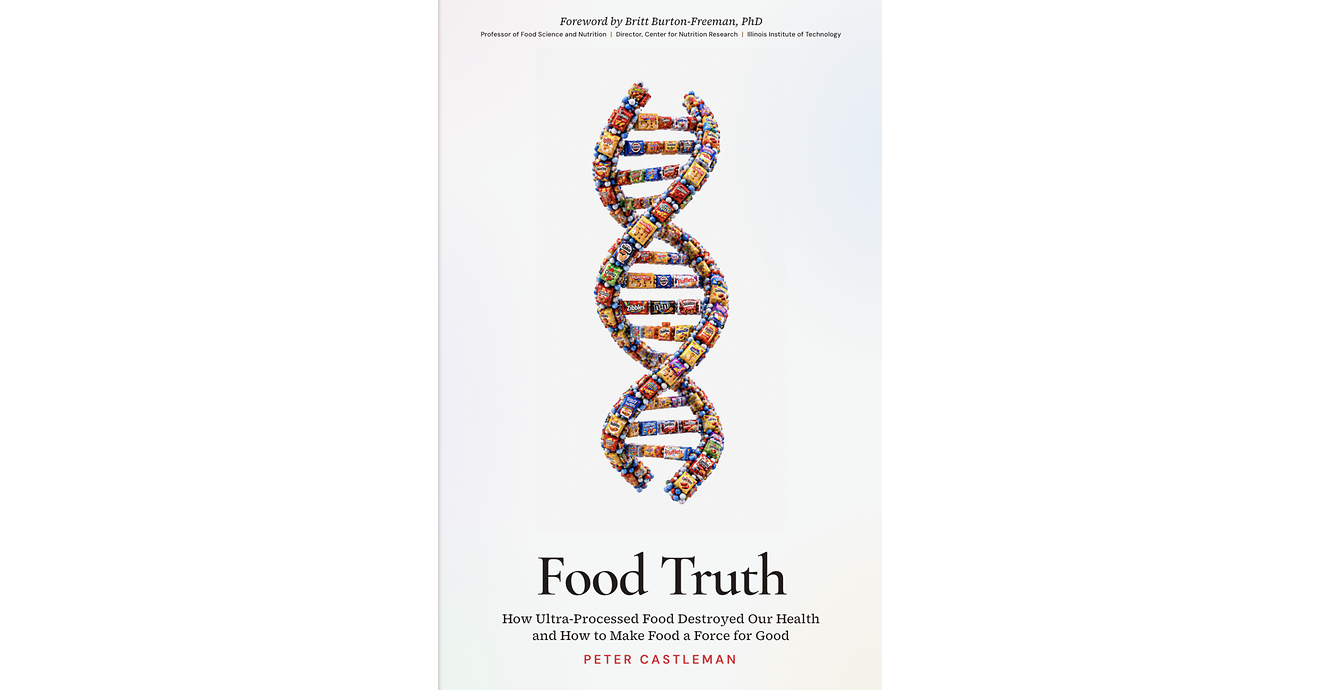
WISEcode founder and CEO Peter M. Castleman’s book, “Food Truth,” is available for pre-order and releases Nov. 10, 2026; all net proceeds will go to the Nutrient Institute, a 501(c)(3) nonprofit. The book argues that inadequate food transparency contributed to the rise of ultra-processed foods and advocates ingredient-level information and personalized nutrition. These are the author’s arguments; the release reports no financial results or market reaction.
Analysis
The investable signal is not the book launch; it is the possibility that ingredient-level data becomes a trusted consumer and enterprise decision layer. That could shift bargaining power toward products that score well on transparent criteria and raise reformulation, labeling, and reputational costs for packaged-food brands whose products compare poorly. The effect is conditional: this release provides no independent evidence of user adoption, purchase conversion, enterprise contracts, or measurable health outcomes.
WISEcode is described as a private company, and the supplied data identifies no public-company exposure. Treat the launch as a low-impact event, not a read-through to listed AI or food names. Over 1–3 months, the useful signals would be app retention and paid conversion, retailer or food-company distribution, and repeatable evidence that scores alter purchasing. Over 6–18 months, regulatory acceptance of data methods, privacy safeguards, and credible outcome validation determine whether this can become infrastructure rather than a consumer information feature.
The contrarian risk is that more information may not change behavior: price, taste, convenience, and established brand distribution can outweigh ingredient transparency. Personalization also complicates simple rankings and increases the burden of substantiating health-related claims. A broad short of food incumbents is not justified by this announcement; the potential impact is differentiated by brand, category, and actual consumer response.
AllMind Terminal
AI-powered research, real-time alerts, and portfolio analytics for institutional investors.
Request TrialMarket Sentiment
Overall Sentiment
neutral
Sentiment Score
0.10
Key Decisions for Investors
- No immediate trade: the announcement supplies no independently verified commercial metrics and no mapped public-equity exposure.
- Set an alert for evidence of sustained app engagement, paid conversion, or retailer and manufacturer contracts; do not treat downloads or launch publicity alone as proof of monetization.
- If credible data later shows purchase substitution toward better-scoring products, assess long exposure to demonstrable beneficiaries against food brands with weak transparency or reformulation flexibility; avoid a sector-wide position until the effect is measurable.
- Falsify the platform-adoption thesis if engagement fails to persist, enterprise customers do not renew or expand, or independent validation and privacy concerns undermine trust.
More News
- What Wall Street billionaires are saying about Democrats' midterm sweep
- NextDC shares surge 43% after Goodman, Digital Realty stake purchases
- Voters rebuff data centers in every ballot measure except one during the 2026 midterms
- Oil and data centre stocks sink after US midterms
- Qualcomm issues disappointing earnings forecast as memory shortage weighs on smartphone sales
- China Blocks SoftBank Acquisition of ABB Robot Unit, FT Says