
RSPO RT2026 Addresses Indonesia Fires, Single Export Gate, and Smallholder Inclusion
Source: PR Newswire
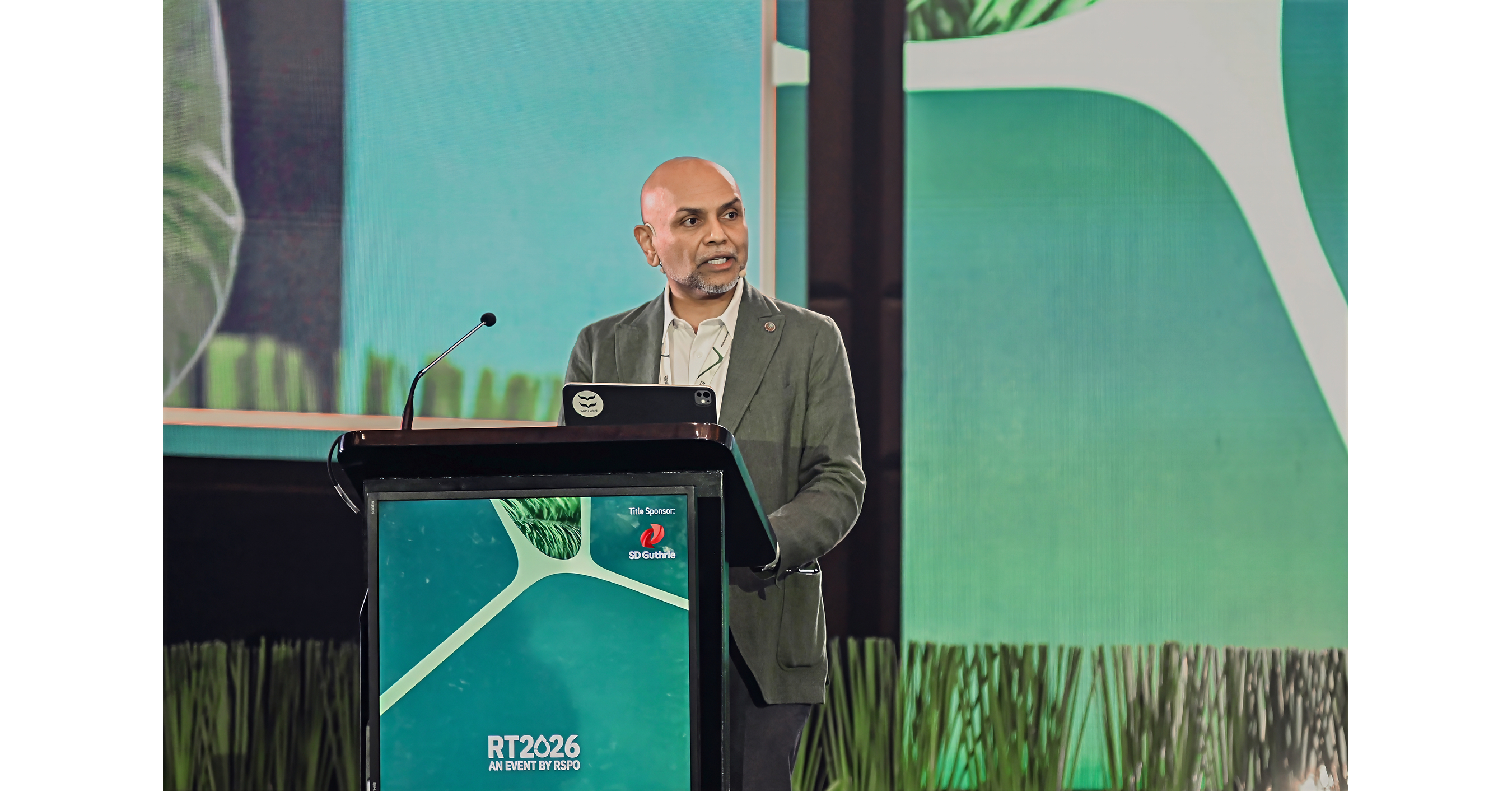
Satellite analysis found 14,500 hectares burned or affected within RSPO-certified concessions from January to September 2026—about 0.8% of the more than 1.9 million hectares burned across Indonesia; RSPO said no certified independent smallholder plots showed burned land and reported no evidence that certified units deliberately lit fires. RT2026 recognised 45 newly certified independent smallholder groups and connected potential buyers with smallholders for credit sales. Indonesia’s DSI said its intermediary export model, due to launch in January 2027, will protect export continuity and preserve traceability while buyers and sellers maintain their relationships.
Analysis
The investable issue is execution risk around Indonesia’s export intermediary, not the conference’s sustainability messaging. If DSI adds paperwork, delays or discretion at the export gate when its model launches in January 2027, Indonesian sellers could face working-capital and delivery friction; buyers may then shift marginal demand toward Malaysian supply, supporting regional price differentials. Conversely, a genuinely neutral intermediary that preserves existing buyer-seller relationships could reduce traceability friction and help Indonesian supply retain access to ESG-sensitive customers. Neither outcome is yet evidenced: the announcement supplies no operating rules, service levels or fee schedule.
Treat the fire figures as a reputational signal, not proof of lower underlying risk. The reported 0.8% share of national burned area lacks the denominator of RSPO-certified concession area exposed to comparable conditions, and preliminary satellite results do not establish causation or enforcement effectiveness. A severe El Niño also makes near-term supply and scrutiny risks asymmetric; attribution disputes or new fire activity could reverse the positive narrative quickly.
For UL and NESN, credit purchases support engagement credentials but do not establish material procurement volumes, cost exposure or a change in physical sourcing. Do not infer earnings upside. Near term, no clean equity catalyst; over 1–3 months, monitor DSI implementation details and export-clearance performance; over 6–18 months, assess whether traceability actually preserves access and whether fire controls withstand another dry season. The contrarian point: certification may help manage buyer-access risk, but it is not a hedge against Indonesian logistics disruption or palm-oil price volatility.
AllMind Terminal
AI-powered research, real-time alerts, and portfolio analytics for institutional investors.
Request TrialMarket Sentiment
Overall Sentiment
mixed
Sentiment Score
0.10
Ticker Sentiment
Key Decisions for Investors
- No directional UL or NESN trade on this announcement: credit-purchase recognition is not evidence of material volume, cost or earnings impact.
- Set an alert for DSI’s January 2027 operating rules—especially fees, clearance times, data-sharing requirements and treatment of existing contracts. Consider a relative-value long Malaysian palm-oil exposure versus Indonesian exposure only if implementation causes persistent Indonesian export delays or wider regional differentials; avoid positioning before those signals are observable.
- Monitor satellite fire data against certified-concession area and comparable exposure, not just national burned-area share. A higher normalized incidence, evidence of deliberate burning, or buyer suspension of certified sourcing would falsify the reputational-improvement thesis.
- Reassess after the first months of DSI operations using export-clearance times and shipment disruptions. If the intermediary preserves continuity without adding friction, the disruption hedge thesis weakens; if delays emerge, verify beneficiaries through company-level sourcing before taking a supplier trade.
More News
- JPMorgan reiterates Unilever stock rating on growth targets
- China Blocks SoftBank Acquisition of ABB Robot Unit, FT Says
- After the midterms, a bigger clash over data centers could be coming
- China’s Copper Squeeze Deepens as Buyers Scramble for Spot Metal
- Brazil’s central bank ends run of rate cuts after Lula election win
- Inside the chip talent war: Trade secrets and rising Chinese rivals