
Three reasons to stick with stocks despite rising yields, according to Barclays
Source: MarketWatch
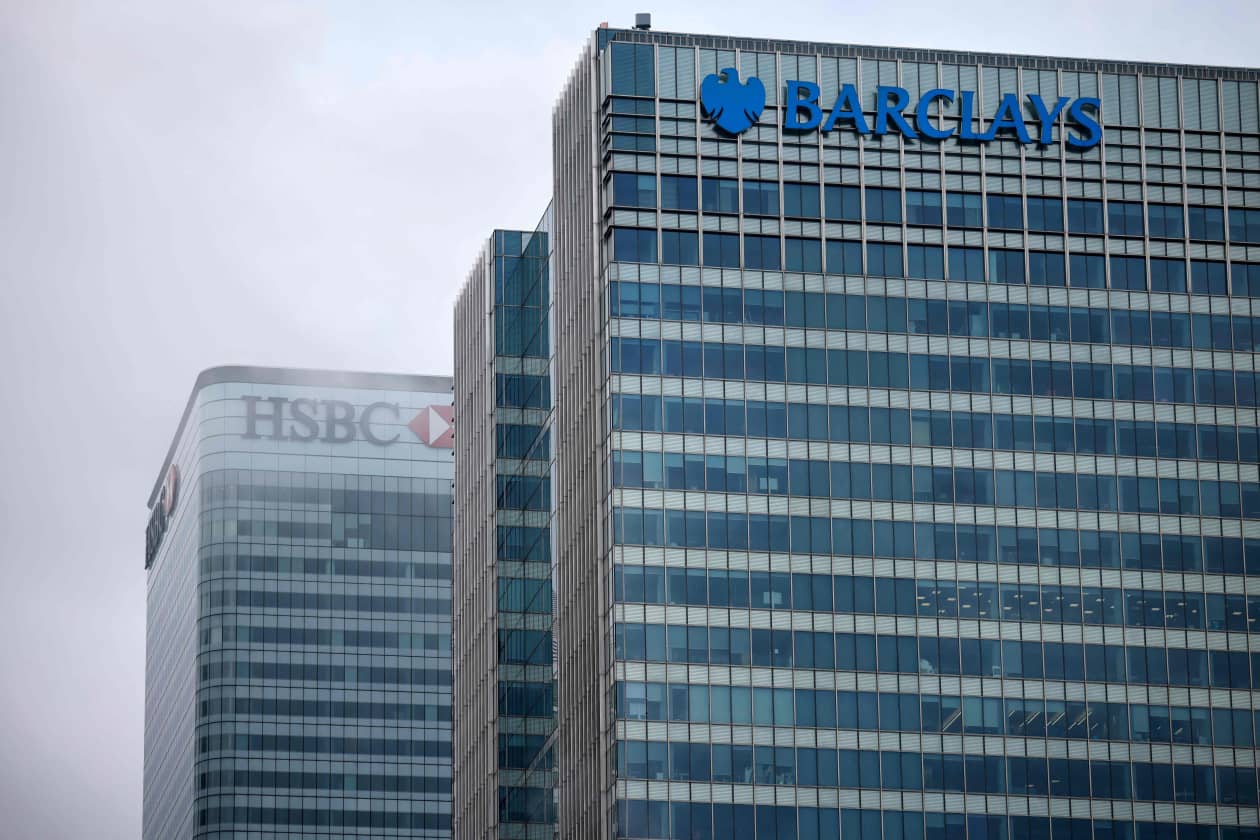
Barclays strategists advised investors not to derisk equity portfolios despite rising bond yields and spiking energy prices. The team led by Ajay Rajadhyaksha argued that, while headlines may suggest waiting for clarity, it remains appropriate to retain stock exposure.
Analysis
This is positioning commentary rather than a fundamental catalyst, so the immediate implication is limited: it may modestly reinforce the prevailing “buy the dip” reflex, but does not change earnings estimates, liquidity conditions, or the equity risk premium. The key market mechanism is whether nominal-yield strength reflects improving growth expectations (constructive for cyclicals and banks) or a rising term premium/fiscal-risk regime (negative for long-duration equities despite resilient headline indices). The latter would pressure Technology and rate-sensitive defensives first, while leaving Energy and selected Financials relatively insulated.
For BCS, a steeper curve can support reinvestment yields and net-interest-income expectations, but the benefit is conditional on credit costs remaining benign and UK/European activity not rolling over. A sustained rise in global yields driven by fiscal supply would likely widen bank funding spreads and eventually offset asset-yield upside; monitor BCS CDS, UK gilt term premium, and loan-loss guidance rather than treating higher yields as unambiguously positive. Over the next 1-3 months, equity resilience requires stable forward EPS revisions and contained credit spreads; a 10%+ deterioration in STOXX 600 earnings breadth or a sharp widening in EUR financial credit would invalidate the constructive interpretation.
The contrarian risk is that consensus is still treating higher yields as a temporary valuation headwind rather than a regime change in the discount rate. If the 10-year yield rises alongside falling breakevens and softening PMIs, that is a restrictive-real-rate signal and argues for reducing index beta. Conversely, if yields rise with stronger cyclicals, stable high-yield spreads, and upward earnings revisions, the better expression is rotation away from expensive duration rather than wholesale equity de-risking over the next 6-18 months.
AllMind Terminal
AI-powered research, real-time alerts, and portfolio analytics for institutional investors.
Request TrialMarket Sentiment
Overall Sentiment
mildly positive
Sentiment Score
0.25
Ticker Sentiment
Key Decisions for Investors
- No directional trade solely on the Barclays commentary; treat it as a sentiment input, not an investable catalyst. Reassess broad equity exposure after the next CPI, payrolls, and major earnings-revision data confirm whether yield moves are growth- or term-premium-led.
- Implement a 1-3 month relative-value hedge: long XLE versus short XLK in equal beta-adjusted notional if the 10-year yield remains elevated and energy-price strength persists. Target 5-8% relative performance; exit if 10-year yields decline materially alongside stable oil, or if Energy earnings revisions turn negative.
- Maintain BCS only as a conditional Financials/curve exposure, not a pure risk-on proxy. Add only if UK/EU bank credit spreads remain contained and management guidance indicates stable deposit costs; reduce if BCS CDS widens materially or impairment guidance rises, as those would signal funding and credit-cycle pressures overwhelming NII upside.
- For portfolios with concentrated long-duration equity exposure, buy 2-3 month QQQ put spreads rather than selling core holdings outright. This protects against a real-rate shock while preserving upside if earnings breadth improves; size premium to a defined portfolio-risk budget and roll only if yields rise without corresponding EPS revisions.
More News
- Constellation Brands Likely To Report Lower Q2 Earnings; These Most Accurate Analysts Revise Forecasts Ahead Of Earnings Call
- Antony Jenkins ran one of the world’s biggest banks. He knows how to solve those legacy tech nightmares (and launched a start-up to prove it)
- Trump-Xi Summit, Oracle Buildout Hits New Hurdle
- Analysis: Higher Treasury yields deliver a reality check on a hot, inflation-prone economy
- Yields are soaring to levels not seen in decades. What could stop the rout in bonds?
- Meta nears first new high in a year as Muse success showcases winning AI strategy