
Confitex Technology gewinnt den INDEX Award und den Hygienix Innovation Award für die weltweit ersten waschbaren, absorbierenden Hygieneartikel aus Vliesstoff
Source: PR Newswire
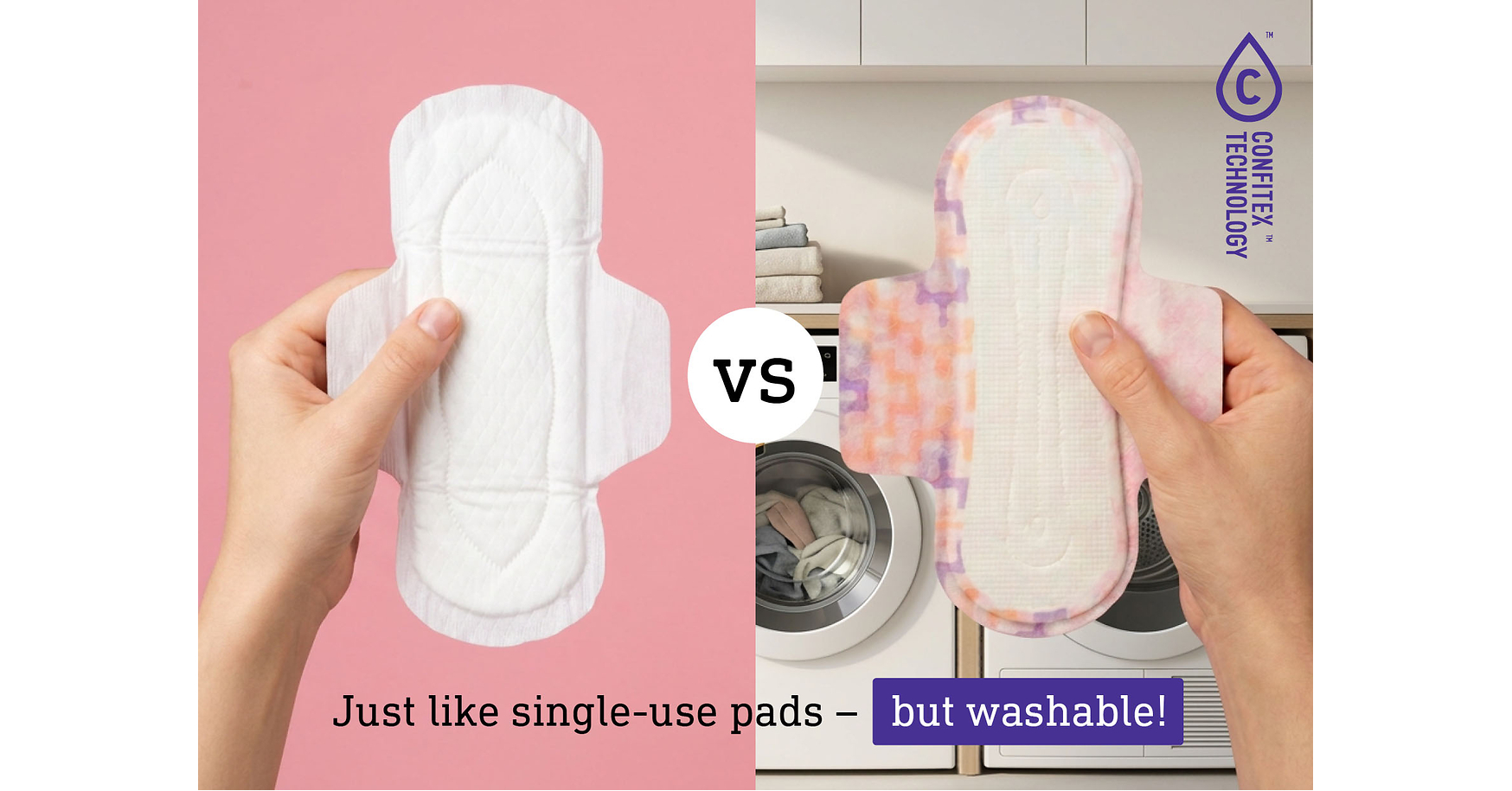
Confitex Technology won both the INDEX Award and Hygienix Innovation Award for washable absorbent nonwoven hygiene products, a first for the company in the global nonwovens industry. Its pads are up to 90% bio-based, contain no petroleum-based superabsorbent polymers, and independent Intertek testing found absorbency matched or exceeded disposable alternatives. The $123.5B global absorbent hygiene products market has reusable products representing less than 15% but growing at a 6.89% CAGR, supported by EU pressure to reduce single-use plastics and French subsidies for reusable menstrual products.
Analysis
This is not yet investable for ITRK: third-party testing referenced in supplier marketing does not establish a recurring testing contract, pricing uplift, or material volume. The relevant signal is that washable nonwovens could migrate absorbent-hygiene value from disposable-product assemblers toward specialty material suppliers and private-label manufacturers; however, qualification cycles with major retailers and FMCG partners are likely 12-24 months, not award-driven.
The medium-term risk is concentrated in categories where disposal costs, public reimbursement, and sustainability mandates alter total-cost-of-ownership. European incontinence and menstrual-care products are more exposed than North American baby diapers, where convenience and wash-frequency economics remain substantially stronger; Essity (ESSITYB) and Ontex (ONTEX) have greater mix sensitivity than diversified P&G (PG) or Kimberly-Clark (KMB). A successful transition would not necessarily destroy incumbent revenue: incumbents can preserve shelf space by acquiring, licensing, or private-labeling the technology, making IP enforceability and capacity economics more important than consumer awareness.
Consensus is likely to overread award validation as near-term category disruption. Reusable products must demonstrate retention after repeated wash cycles, low return rates, retailer margins, and no adverse consumer friction; failure on any of these metrics limits penetration despite favorable regulation. The key falsifier for a disruption thesis is evidence that retailer launches convert into repeat purchase and measurable disposable-volume substitution, rather than incremental niche demand.
AllMind Terminal
AI-powered research, real-time alerts, and portfolio analytics for institutional investors.
Request TrialMarket Sentiment
Overall Sentiment
moderately positive
Sentiment Score
0.56
Key Decisions for Investors
- No directional ITRK position on this release. Set an alert for disclosed multiyear testing, certification, or quality-assurance contracts; absent contract value or segment attribution, the financial read-through is immaterial.
- Monitor ESSITYB and ONTEX over the next 1-3 quarters for reusable-product launches, European tender losses, and category-volume deceleration. A short thesis is premature unless disposable feminine-care/incontinence organic volume turns negative while reusable SKUs gain verified distribution.
- Use PG/KMB as relative defensive longs versus any future short basket of more concentrated European absorbent-hygiene producers: diversified brand, distribution, and innovation budgets should allow incumbents to internalize the category rather than cede it. Reassess if private-label reusable penetration exceeds management expectations or gross-margin guidance weakens.
- For a 6-18 month watchlist, track EU implementation rules, French subsidy uptake, retail shelf allocations, and published repeat-purchase data. Only initiate a materials/supplier trade after named-volume commitments reveal whether the technology expands nonwoven demand or merely substitutes existing textile inputs.
More News
- Two camps have emerged in the debate over AI safety and regulation
- AWS says it can't restore service to Bahrain, UAE facilities 6 months after Iran strikes
- Push for AI regulation mounts as talk of AI’s ‘existential’ risks go mainstream. But Trump resists calls for a slowdown
- Federal Reserve decision, retail sales, and oil inventories due Wednesday
- Urgent calls from OpenAI, Anthropic for an AI slowdown fall on deaf ears with Trump, Xi ahead of next week’s meeting
- Why Dave & Buster's Stock Tumbled Today