
Meet the home buyers totally unfazed by 7% mortgage rates
Source: MarketWatch
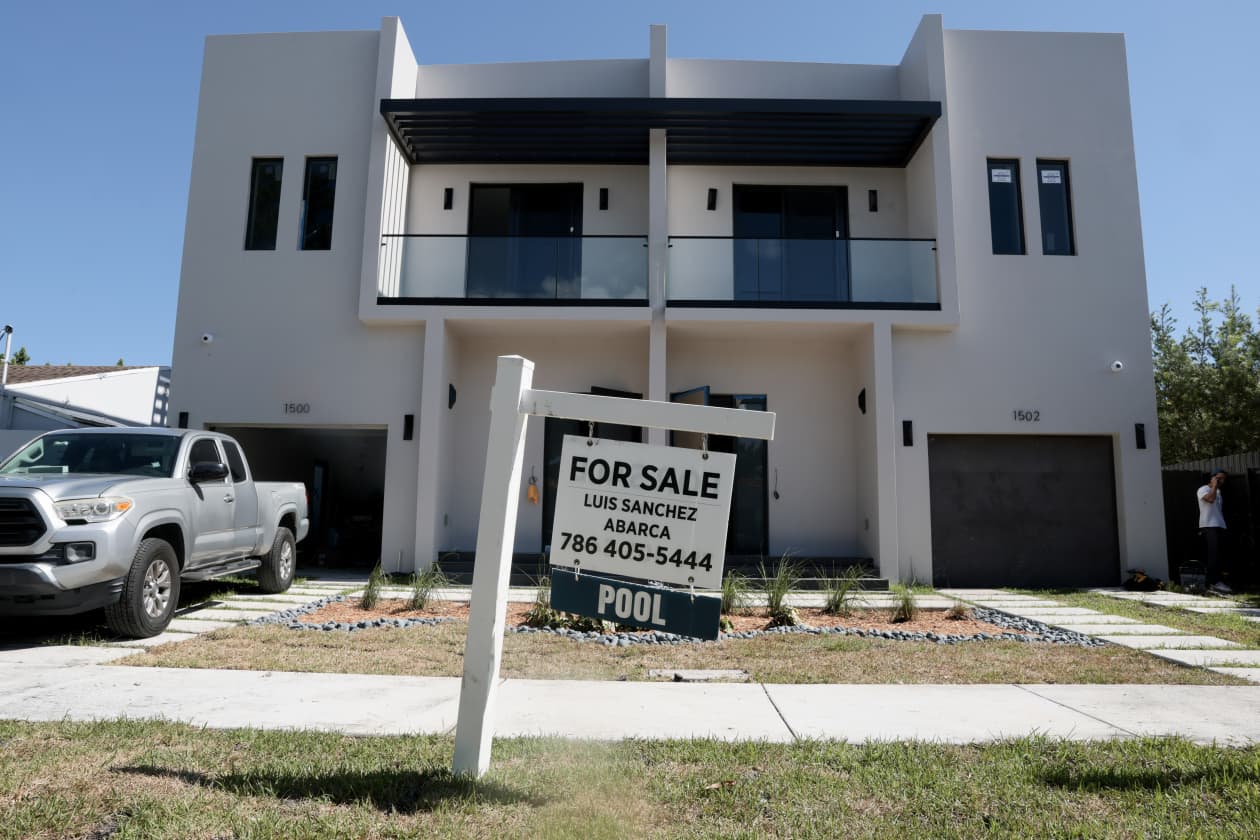
Individual investors and second-home buyers accounted for 1 in 5 U.S. home purchases in September, the highest share in a little over a year, despite mortgage rates around 7%. One investor cited lower home prices in smaller Midwestern cities as a relatively accessible entry point; Rockford’s average home value is about $185,000 versus a national median of about $366,000.
Analysis
The key signal is composition, not necessarily demand growth: a higher investor share can result from owner-occupier transactions falling faster, even if investor purchases are flat. Treat the September reading as evidence of a buyer backstop in lower-priced markets—not proof of a nationwide investor bid or improved housing fundamentals.
If sustained, cash-flow-oriented buyers may support prices for entry-level homes and compete with first-time buyers, while shifting some existing-home supply into rentals. That could cushion home values but add rental supply locally, limiting landlords’ ability to pass through higher financing, insurance, maintenance, and property-tax costs. Lower purchase prices may help initial yields, but smaller markets also bring thinner resale liquidity and greater dependence on local employment and tenant demand.
Near term, mortgage-rate moves and transaction mix matter more than this isolated share statistic. Over 1–3 months, check whether investor purchase counts—not just share—hold up alongside existing-home sales and rents. Over 6–18 months, persistent investor demand could change local ownership and rental supply, but a reversal in rents or higher operating costs would expose leveraged buyers. The contrarian risk is reading “unfazed” as “insensitive”: investors can tolerate a high quoted rate only when expected rent, purchase price, and financing terms still clear their return hurdle. No broad housing-equity signal is established without volume, financing, and local rent data.
AllMind Terminal
AI-powered research, real-time alerts, and portfolio analytics for institutional investors.
Request TrialMarket Sentiment
Overall Sentiment
neutral
Sentiment Score
0.10
Key Decisions for Investors
- No immediate directional housing trade: the share statistic alone does not establish rising investor volumes or improved housing economics.
- Set an alert for investor purchase counts, mortgage-rate changes, and local rent growth over the next 1–3 months. Consider the signal stronger only if investor volumes remain firm while rents and transaction activity support cash yields.
- If follow-through appears, assess a relative-value position between rental-housing exposure and rate-sensitive homebuilders rather than a broad long-housing bet; confirm valuation, leverage, and rent exposure first.
- Falsify the investor-demand thesis if investor purchase counts weaken, rents soften, or financing and operating costs rise enough to erode acquisition yields; reassess if mortgage rates fall and owner-occupier demand returns, which could change the buyer mix.
More News
- ‘France, truly, is on the brink’ and just days away from a make-or-break moment in its debt crisis, analyst warns, as protests turn into riots
- AI stocks plunge. Inflation heats up. Where we're still finding opportunities
- Nasdaq Index: AI Selloff Deepens as Chips and CoreWeave Break
- ‘How many canaries have we killed in the coal mine?’ — Wall Street debates if the latest AI bubble warnings are another head fake or the real thing
- U.S. debt interest payments hit $3 billion a day and jumped 8% in fiscal 2026 — faster than total federal spending, revenue and GDP growth
- Christine Lagarde: IMFC Statement