
Kanu Emerges from Stealth to Build AGI for the Enterprise
Source: PR Newswire
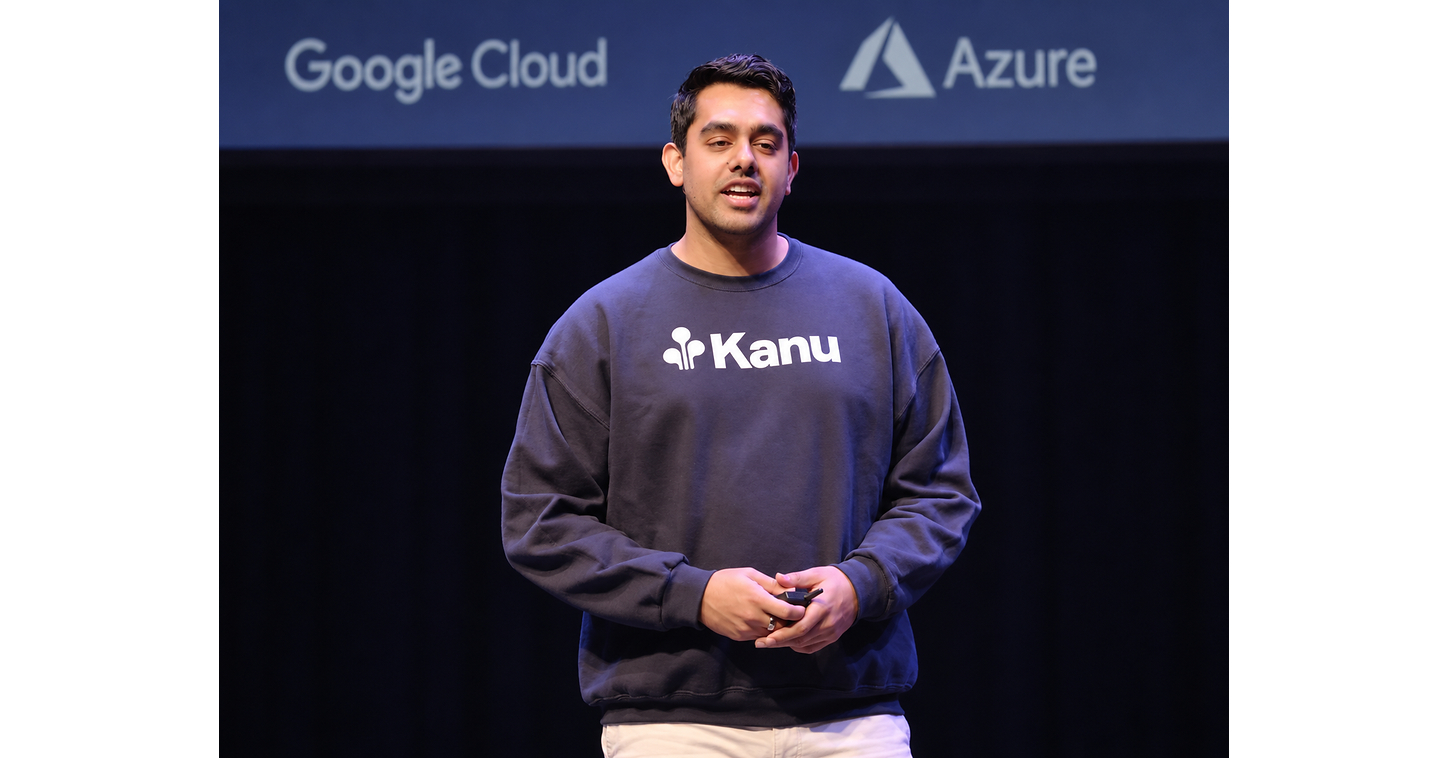
Enterprise AI startup Kanu AI raised $11.7 million in a round led by Trilogy Equity Partners, with a16z speedrun, BMW i Ventures and Accel participating. The company says revenue has more than doubled in every quarter since launch and cites a customer whose analysis workflow fell from up to eight weeks to under 10 minutes, with over $1 million in expected annual software-cost savings and millions of dollars in incremental revenue. Kanu deploys workflow-generation software within customers' cloud environments, emphasizing governance, data control, inspectability and human approvals.
Analysis
This is not a direct public-equity catalyst: the financing size and privately reported growth provide no basis to revise estimates for GOOG, PDFS, or SGE. The more relevant signal is that enterprise AI buying is shifting from general-purpose copilots toward governed workflow automation with auditability, permissions, and human approval. That favors platforms with embedded enterprise data and distribution—MSFT, NOW, CRM, PLTR and GOOG—while placing longer-term pressure on point SaaS tools and IT-services revenue tied to bespoke workflow implementation.
The second-order beneficiary is cloud infrastructure rather than application-license vendors. Customer-cloud deployment can increase consumption of compute, storage, security, identity, and data-governance services even when it substitutes for incremental SaaS seats; this is modestly constructive for GOOG and AWS proxy AMZN over 6-18 months. Conversely, a credible “workflow ownership” model could compress pricing power for low-code/RPA incumbents such as PATH and software implementation vendors such as ACN and EPAM if customers can maintain automations with materially less engineering labor.
The core claim remains unverified: a single high-ROI deployment does not establish repeatable sales cycles, gross margins, retention, or liability performance when workflows make consequential decisions. Near term, private startups will likely increase competitive pressure and procurement scrutiny rather than take meaningful share from incumbents. The thesis is falsified if enterprises continue consolidating AI spend around one-vendor suites because integration, model-risk controls, and support accountability outweigh the appeal of customer-owned workflows.
AllMind Terminal
AI-powered research, real-time alerts, and portfolio analytics for institutional investors.
Request TrialMarket Sentiment
Overall Sentiment
moderately positive
Sentiment Score
0.68
Ticker Sentiment
Key Decisions for Investors
- No standalone action in GOOG, PDFS, or SGE: the disclosed development is too immaterial to earnings and lacks independently verifiable customer or unit-economics data. Monitor Google Cloud AI backlog, consumption growth, and Marketplace contribution over the next 2-4 quarters rather than trading the announcement.
- Maintain a 6-12 month relative-value bias long GOOG or AMZN versus ACN/EPAM, sized modestly: enterprise workflow deployment should shift a greater share of AI budgets toward cloud consumption and away from labor-intensive customization. Exit if hyperscaler cloud growth fails to accelerate while services-booking growth remains resilient through two reporting cycles.
- Place PATH on a competitive-risk watchlist rather than shorting immediately. A short becomes actionable only if management reports slower automation bookings, increased price concessions, or rising competitive losses to internally built agentic workflows; absent those datapoints, incumbent installed-base and governance advantages make the risk/reward insufficient.
- For NOW and CRM, treat this as a valuation discipline signal, not a bearish catalyst: require evidence that AI workflow attach rates are converting into net-new platform spend rather than bundled feature adoption. A material deceleration in cRPO or subscription-margin guidance would be the trigger to reduce exposure.
More News
- Google rolls out Gemini 4 Argon, its most advanced AI model
- Trump’s AI lunch included every major tech company. Except Apple
- Exclusive-Anthropic’s IPO pitch embraces AI’s promise and peril
- FTC is investigating OpenAI, Anthropic and other AI companies over product risks
- Investors thought they were buying pre-IPO OpenAI and SpaceX shares. Their cash went to strip clubs, Bloomingdale’s, and shopping on Amazon, SEC alleges
- Google releases Gemini 4 Argon, called its most powerful model yet
From AllMind Research
- Anthropic IPO Preview: Valuation, Timing, and What to Watch
- Shein After the IPO: Venue, Valuation, and What Must Be Proved
- What AI Research Tools Should a Small Hedge Fund Buy First?
- Selecting an AI Research Platform for Institutional Investors
- Weekly Update: New Reporting Features and More Sources for Document Search