
SpaceX Is Doing What NeoClouds Can't (Rating Upgrade)
Source: seekingalpha.com
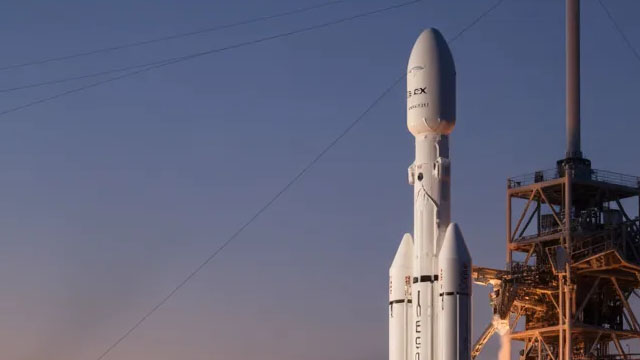
SpaceX is described as securing highly profitable GPU contracts with Alphabet and Anthropic, enabling payback on multi-billion-dollar investments in under two years and outperforming neocloud peers. The contracts are cancellable on 90 days’ notice, leaving returns exposed to current supply-demand conditions rather than durable long-term commitments.
Analysis
The key risk is duration mismatch, not GPU payback arithmetic: if SpaceX commits capital against revenue that can be cancelled on 90 days’ notice, reported contract value is a weak proxy for bankable cash flow. A rapid payback is only persuasive if utilization, pricing and customer retention persist through the GPUs’ useful life; falling rental rates or accelerator obsolescence could reverse the economics quickly. That makes SPCX more exposed to utilization and refinancing risk than a headline payback period implies, even if current scarcity supports attractive returns.
For Alphabet, external capacity may relieve near-term compute bottlenecks, but could also indicate that internal capacity, deployment timing or location is insufficient for some workloads. The deal alone does not establish whether outsourced compute improves Alphabet’s margins or displaces higher-return internal investment. For AI infrastructure rivals, sustained third-party capacity could pressure pricing; conversely, short cancellation windows may make customers reluctant to migrate critical workloads, limiting durable share shifts.
Near term (days), avoid treating this as confirmed earnings upside without contract economics and deployment data. Over 1–3 months, watch utilization, realized GPU-hour pricing, cancellations and capex commitments. Over 6–18 months, the test is whether contracts renew and economics survive added supply and chip-generation transitions. The thesis weakens if SPCX discloses long-dated take-or-pay commitments and stable utilization; it breaks if cancellations rise, rental rates fall materially, or capex outpaces contracted demand. The article’s optimistic framing is not independently verified by the supplied data.
AllMind Terminal
AI-powered research, real-time alerts, and portfolio analytics for institutional investors.
Request TrialMarket Sentiment
Overall Sentiment
mildly positive
Sentiment Score
0.35
Ticker Sentiment
Key Decisions for Investors
- Do not chase SPCX on the stated payback claim alone. Before taking directional exposure, verify contract duration and termination rights, customer concentration, utilization, GPU deployment dates, realized pricing, capex, and whether payback includes power, networking, and financing costs.
- Treat SPCX as a conditional watch rather than a confirmed long: a long thesis requires evidence that renewal-backed utilization and cash conversion persist beyond the current supply squeeze. Reassess if cancellation notices rise or realized GPU rental rates weaken.
- No immediate GOOG trade is supported by this information. Monitor whether external compute supplements peak demand or substitutes for Alphabet’s own capacity, and whether Alphabet’s cloud margins or capex guidance change; those disclosures would determine whether the arrangement is earnings-positive or merely capacity insurance.
- For the next 1–3 months, track GPU rental pricing and capacity additions across AI infrastructure providers. Broad price compression would challenge the scarcity-based payback thesis; continued tightness alongside renewed contracts would support it.
More News
- Elon Musk says Tesla and SpaceX are weighing a $3.5 trillion merger—without him in the room
- ‘I don’t care how it’s done’: Trump pressures Ukraine to cut peace deal
- Super Micro’s stock soars after surprise update — with Dell and HPE shares joining the rally
- SpaceX Earnings Blow Past Wall Street Estimates
- SpaceX and Tesla boards form special committees to review merger
- SpaceX posts first operating profit as public company as AI revenue nearly triples to $7.6 billion—cruising past Starlink