
Red Sea Global und die Dr. Sulaiman Al Habib Medical Group weihen das Red Sea Hospital ein
Source: PR Newswire
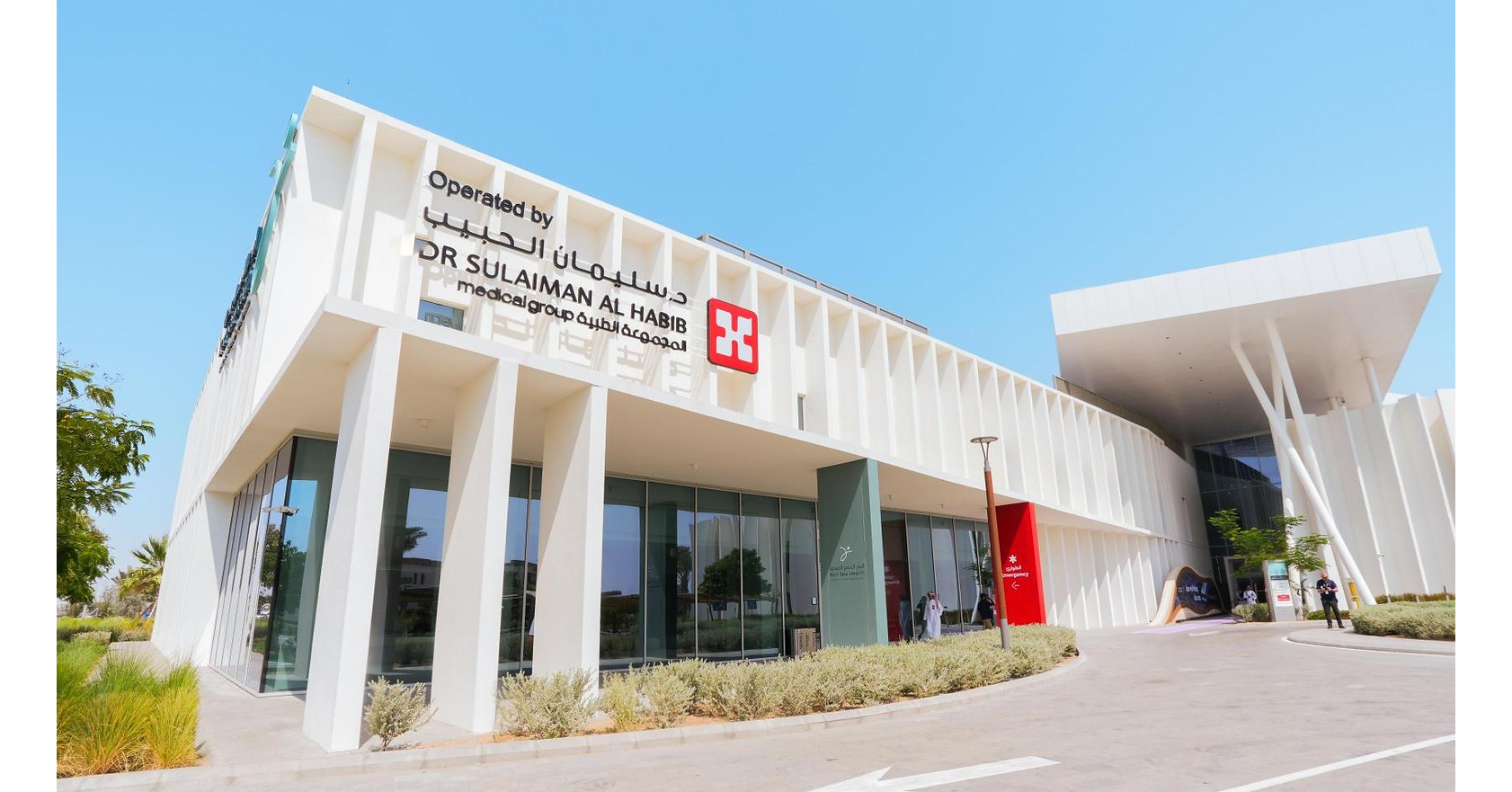
Red Sea Global and Dr. Sulaiman Al Habib Medical Services Group inaugurated the Red Sea Hospital, a licensed facility offering emergency, inpatient, outpatient, specialist, surgical and digital-health services for Saudi Arabia's Red Sea tourism destination. The hospital will anchor RSG's Red Sea Health network, which is planned to include six pharmacies and a dedicated medical emergency and transport system. The development supports Saudi Vision 2030 and destination expansion, where 11 hotels are already open and six additional Shura Island resorts are expected in coming months.
Analysis
For Saudi-listed Dr. Sulaiman Al Habib Medical Services Group (TADAWUL:4013), the relevant issue is not the opening itself but whether this establishes a repeatable asset-light operating template for remote, premium destinations. A management-contract model can add revenue with lower capital intensity than owned hospitals, but early utilization will likely be employee- and contractor-led rather than high-margin medical tourism; any near-term earnings contribution should be immaterial against HMG's existing network. The investable signal is therefore a potential expansion of HMG's addressable market and brand moat, not an immediate EPS catalyst.
The second-order beneficiary is Saudi tourism development: credible emergency and inpatient capacity reduces perceived destination risk for insurers, tour operators, airline partners, and premium travelers, supporting resort ramp-up and potentially allowing higher room rates over 6-18 months. Conversely, a remote-site hospital carries structurally high staffing, medevac, inventory, and equipment-maintenance costs; if the operator bears meaningful fixed-cost or minimum-service obligations, low initial occupancy could dilute margins. This is a press-release claim until HMG discloses contract economics, capex responsibility, revenue recognition, and utilization metrics.
Consensus is likely to treat this as uniformly positive Vision 2030 infrastructure. The more useful read is that it tests whether Saudi private providers can monetize decentralized care without tying up balance sheets; success would favor scaled operators with digital triage, procurement leverage, and specialist staffing depth over smaller domestic peers. A failure to fill beds or reliance on subsidized volumes would instead reinforce the advantage of urban hospital clusters and pressure returns on destination-linked healthcare buildouts.
AllMind Terminal
AI-powered research, real-time alerts, and portfolio analytics for institutional investors.
Request TrialMarket Sentiment
Overall Sentiment
moderately positive
Sentiment Score
0.48
Key Decisions for Investors
- No immediate directional trade on TADAWUL:4013: the announced site is unlikely to move consolidated earnings absent disclosed bed count, contract duration, operator economics, or revised guidance. Set an alert for the next results call for management-contract revenue, new-site EBITDA margin, and destination-health pipeline commentary.
- Watch-list relative-value idea for a 3-6 month horizon: long TADAWUL:4013 versus short a basket of smaller Saudi hospital operators, including TADAWUL:4002 (Mouwasat) and TADAWUL:4004 (Dallah), only if 4013 demonstrates incremental asset-light contracts and maintains group EBITDA margin. The thesis is scale-driven staffing/procurement advantage; exit if 4013 guides to elevated startup costs or margins decline by more than 100bp.
- For Saudi tourism exposure, monitor TADAWUL:1810 (Seera) rather than buying on this development alone. Consider a position only after evidence that Red Sea resort openings translate into booked travel volumes and higher package pricing; the key falsifier is weaker-than-expected domestic leisure demand or further destination-opening delays over the next two quarters.
- Track healthcare labor-cost inflation and government reimbursement policy as the principal 6-18 month risk factors for the sector. Rising expatriate clinician costs or tighter pricing would impair remote-facility economics disproportionately and would weaken any 4013 premium-versus-peers thesis.
More News
- All Iranian airlines to be 'shut down' from Wednesday, Bessent tells CNBC
- Taiwan benchmark Taiex rises to record intraday high as tech stocks advance
- AMD joins the $1 trillion club as chip rally surges - our AI Strategy saw it early
- Jamie Dimon says hyperscaler AI spending could hit $1 trillion next year
- Here's who we know is going to the Trump-Xi dinner so far
- UK to refuel Saudi jets to help counter Houthi attacks