
Hodinky HUAWEI WATCH D3 se poprvé představily na kongresu ESC 2026: nová éra měření krevního tlaku pomocí náramkových zařízení
Source: PR Newswire
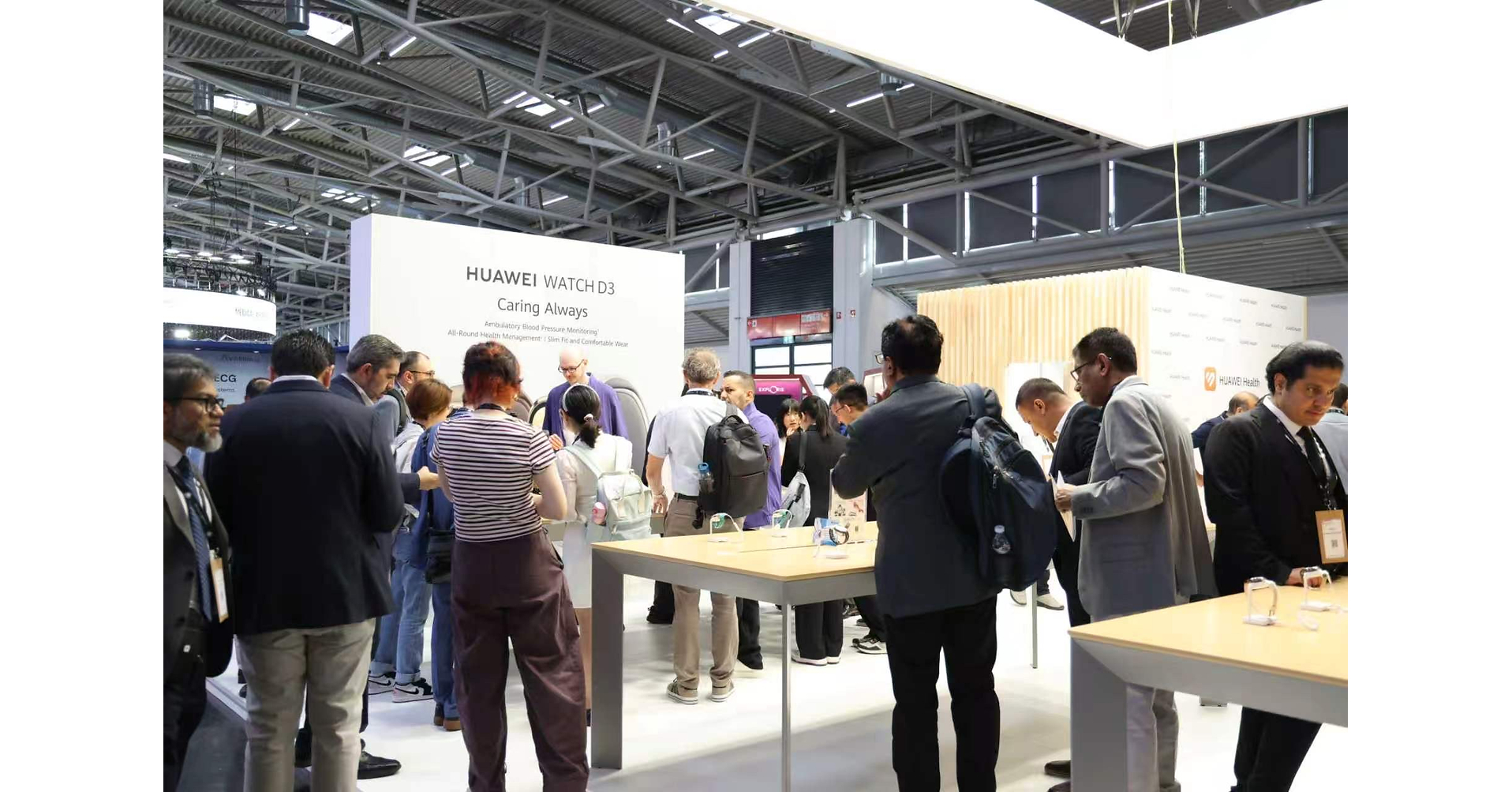
Huawei představil na ESC Congress 2026 (Mnichov) svůj nový ambulantní tlakoměr HUAWEI WATCH D3 a signalizuje „další průlomové vylepšení“ v měření krevního tlaku i při zvýšené srdeční frekvenci. Hodinky získaly certifikaci CE MDR v EU pro jednorázová měření, ambulantní monitorování i měření před/po cvičení a přidávají funkce jako připomenutí měření ve vysokých nadmořských výškách a při náhlých změnách teploty. Oznámení k plnému uvedení na trh, cenám a specifikacím se očekává 2. září; zpráva je produktová/technologická bez uvedení finančních čísel, proto omezený přímý dopad na trh.
Analysis
The investable signal is not Huawei-specific revenue; it is category validation. Once a consumer wearable clears EU medical-device standards for blood-pressure monitoring, the competitive moat shifts from step-counting to regulated health workflows, which raises the bar for Apple and Samsung on feature cadence and data quality. The second-order winner is whoever can turn monitoring into retention and subscription attachment; the loser is any incumbent wearable vendor whose differentiation is mostly cosmetic, because medical-grade claims compress the brand premium over time.
Near term, the market will likely overreact to the headline but underreact to adoption friction. The real gatekeepers are calibration burden, false positives, battery/comfort tradeoffs, and whether clinicians treat the output as actionable versus “wellness noise.” If launch pricing is high, the product reads more like premium branding than share capture; if it is mass-market, then it can pressure ASPs in the premium watch tier within 1-3 months.
The contrarian view is that certification is not monetization. In 6-18 months, the more durable effect is data-network lock-in: devices that sit inside a health app ecosystem can support higher switching costs and future monetization, but only if users keep wearing them daily. What would falsify the bullish read is weak retail availability, no physician uptake, or Apple announcing a comparable blood-pressure roadmap that neutralizes the feature gap.
AllMind Terminal
AI-powered research, real-time alerts, and portfolio analytics for institutional investors.
Request TrialMarket Sentiment
Overall Sentiment
mildly positive
Sentiment Score
0.25
Key Decisions for Investors
- No immediate standalone trade; treat this as a watch item on premium wearables rather than a fundamental step-function for listed equities.
- Set an alert on AAPL into the next product cycle: if Apple has no credible blood-pressure roadmap while Huawei’s device lands at mass-market pricing, consider a 1-3 month bearish put spread on AAPL as a relative-health-feature hedge.
- Relative-value watch: long GRMN vs short AAPL only if the market starts rewarding pure-play fitness/wearable differentiation over platform breadth; stop if Apple announces feature parity.
- Avoid chasing medical-device incumbents on this headline alone; any move in consumer BP wearables is still pre-reimbursement, so wait for usage data or channel checks before expressing a sector view.
More News
- Indonesia stocks suffer biggest daily slump since 1998 as MSCI weighs downgrade
- Order to limit Starshield for Ukraine came from inside White House: Reuters reports
- The IPO drought is driving private equity-owned companies to the debt market to pay investors
- CoreWeave credit default swaps hit distress levels as investors sour on AI debt
- FDA approves Enspryng for thyroid eye disease treatment
- Giant Taiwanese chipmaker TSMC confirms it’s in talks with Elon Musk to join ‘Terafab’ complex in Texas: ‘The AI market continues to be very strong’
From AllMind Research
- Anthropic IPO Preview: Valuation, Timing, and What to Watch
- Shein After the IPO: Venue, Valuation, and What Must Be Proved
- What AI Research Tools Should a Small Hedge Fund Buy First?
- How to Evaluate Consensus Estimates Platforms With AI
- Weekly Update: Adding Live MBO Level 3 Data - Liquidity Heatmap, OFI Charts, and More