
140th Canton Fair Phase 3 Highlights Intelligent Healthcare Innovations for a Better Life
Source: PR Newswire
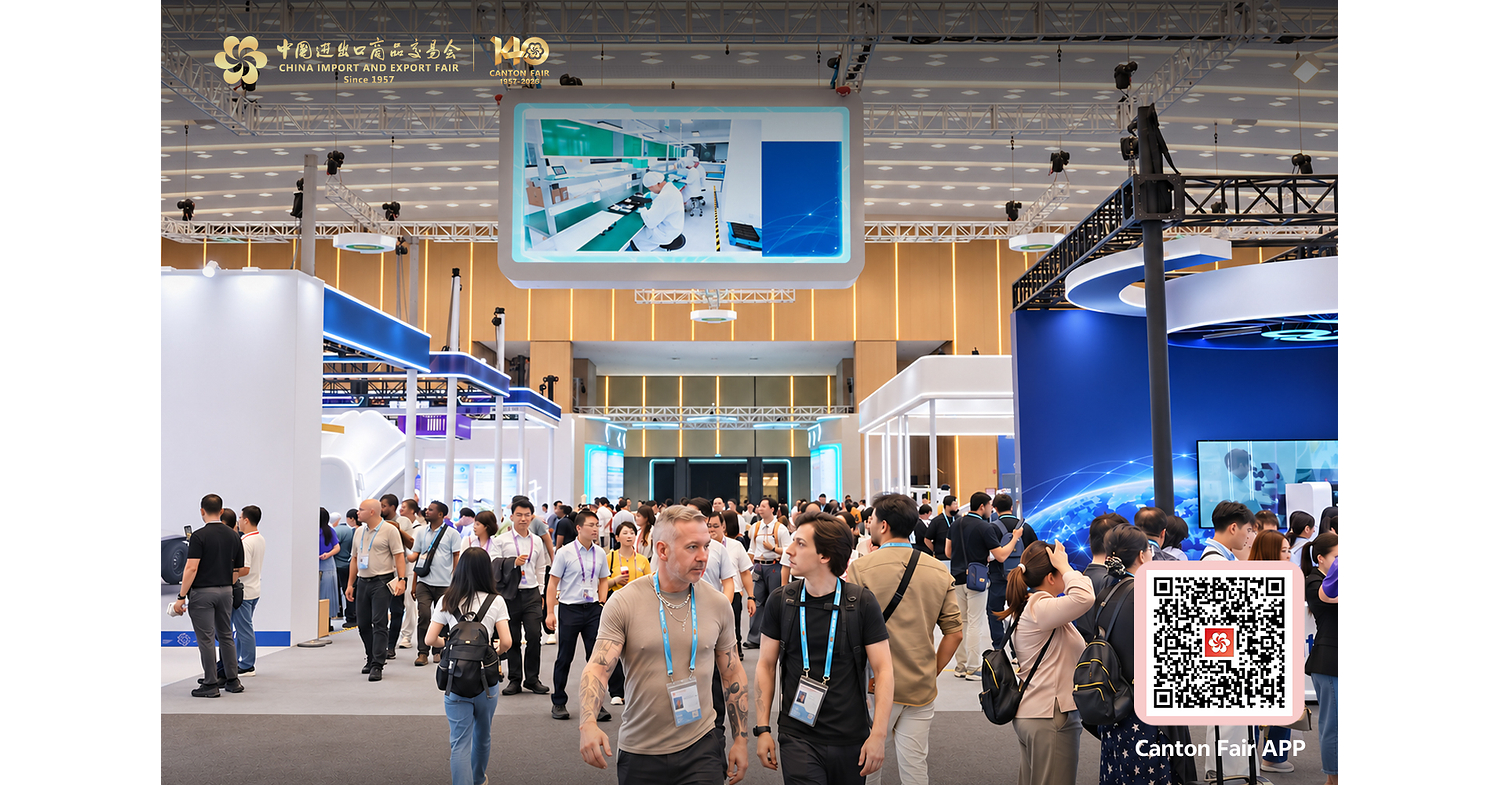
The Intelligent Healthcare Zone at the 140th Canton Fair, running October 31–November 4, showcased clinical, rehabilitation and daily-care technologies, including surgical robots, mobility exoskeletons and a contactless overnight heart-monitoring device. An AI-enabled assessment system was presented as measuring posture and musculoskeletal alignment with millimeter-level precision and generating a full-body report in 32 seconds. The article is promotional and reports buyer interest but gives no sales figures or financial outlook.
Analysis
This is a product-showcase signal, not yet an investable demand signal: no exhibitors, order commitments, or independently verified deployments are identified, so the event cannot support company-level earnings attribution. The commercial bottleneck is likely less the demo technology than validation, regulatory clearance, reimbursement or buyer budgets, serviceability, and integration into care workflows. Those constraints favor scaled device makers and distributors over small hardware entrants if adoption develops; they also create risk that impressive prototypes never become recurring revenue.
Second-order beneficiaries could include component suppliers for sensing, robotics, and 3D imaging, but only if products move from pilots to repeat orders. Conversely, home-care operators may face added training, maintenance, and workflow costs that offset labor savings. A contactless monitoring proposition also raises verification questions around clinical accuracy, false alarms, data handling, and regulatory status.
Near term (days), treat the news as non-material to sector fundamentals. Over 1–3 months, watch for named vendors, certifications, channel agreements, and paid pilot or procurement disclosures. Over 6–18 months, the thesis strengthens only if deployments demonstrate utilization and measurable labor or clinical-cost savings. The contrarian point: enthusiasm at a trade fair can overstate purchasing intent; the more durable opportunity may be in validated workflow tools, not the most conspicuous robot. With no companies or tickers supplied, there is no defensible single-name trade. Falsifiers include failed clinical validation, delayed approvals, weak conversion of pilots to orders, or evidence that total ownership costs exceed care-provider savings.
AllMind Terminal
AI-powered research, real-time alerts, and portfolio analytics for institutional investors.
Request TrialMarket Sentiment
Overall Sentiment
mildly positive
Sentiment Score
0.25
Key Decisions for Investors
- No immediate position based on this release; it provides no issuer-level evidence of orders, revenue, or earnings revisions.
- Put Chinese medical-device, rehabilitation-robotics, and home-care technology names on a watchlist only after exhibitor identities are verified; do not infer beneficiaries from the fair coverage alone.
- Before considering an entry, verify product-level regulatory status, independent performance data, repeat-order evidence, pricing, and service costs. Treat buyer inquiries or demonstrations as leads, not booked demand.
- Reassess over the next 1–3 months if vendors disclose paid deployments or certifications; abandon the adoption thesis if pilots fail to convert or providers report that operating costs erase workflow savings.
More News
- AMD stock jumps 7% on earnings as data center revenue nearly doubles
- Marvell-Lumentum Deal Puts Optical Networking at the Center of the AI Boom
- Marvell Technology could plunge on latest multibillion-dollar acquisition
- AI Inference Startup Fal Raises Capital at $16 Billion Valuation
- Stock futures plunge as blue tsunami hits red states and data center hot spots. Wall Street usually likes political gridlock—but maybe not this time
- AMD rides data center riches to ‘largest and most profitable’ quarter in history