
Benjamin Schenk Appointed to Plaintiffs' Steering Committee in Landmark Chat GPT Product Liability Litigation
Source: PRWeb
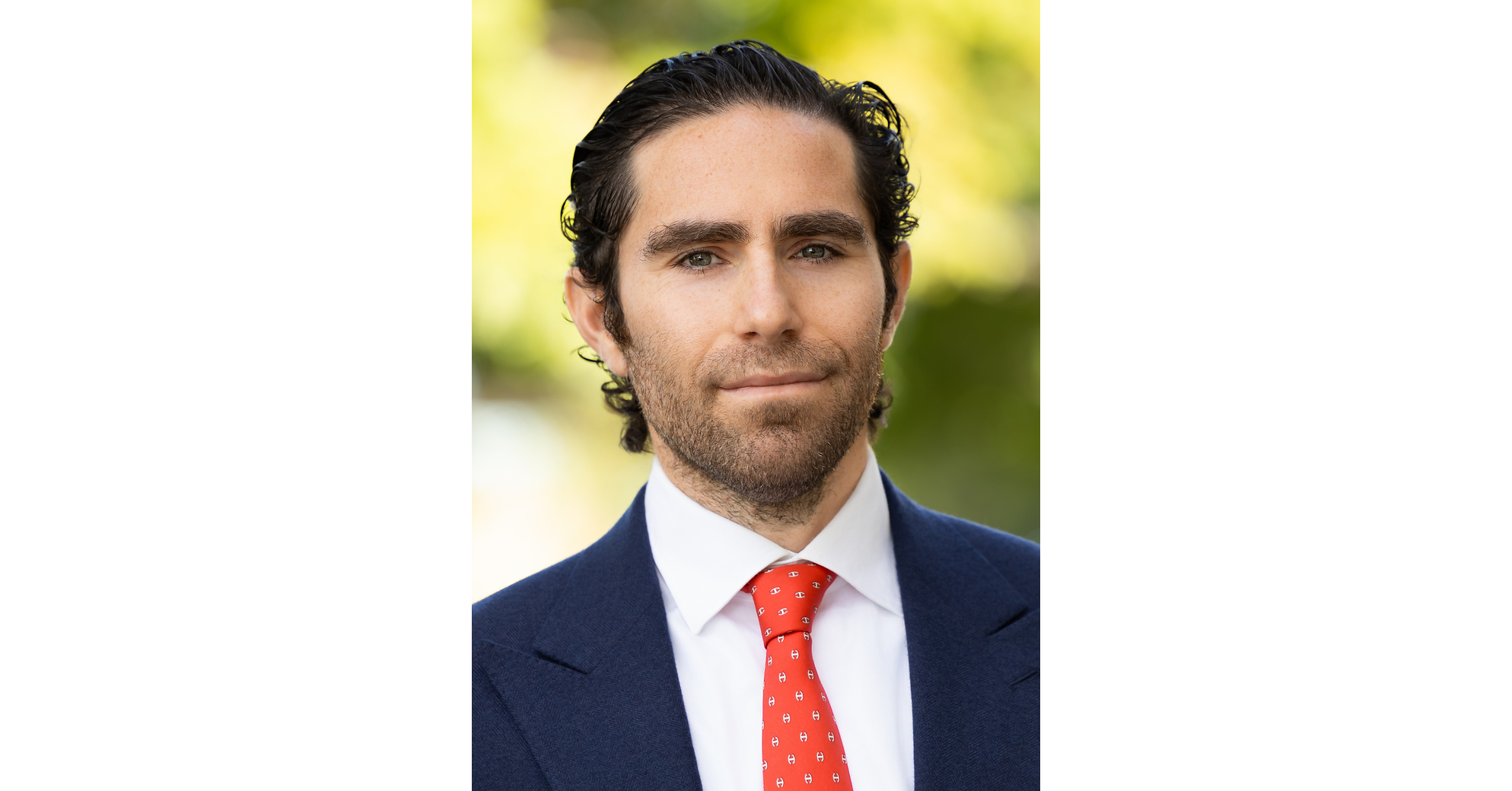
Benjamin Schenk of The Schenk Law Firm was appointed to the plaintiffs’ steering committee in a California coordinated proceeding involving more than 20 lawsuits against OpenAI and, in some complaints, Microsoft. Plaintiffs allege ChatGPT harmed users by failing to safeguard people in mental health crises; OpenAI disputes the allegations. The cases raise questions about applying product-liability law to generative AI, including design, warnings and safety duties.
Analysis
The near-term information content is procedural, not a change in liability: a plaintiffs’ leadership appointment does not establish that the claims survive dismissal or that OpenAI’s conduct is attributable to Microsoft. The key valuation channel for MSFT is contingent exposure through the specific complaints, product integration/control, and any indemnity or insurance arrangements—not a blanket read-through from OpenAI’s legal risk. Those details are not established here.
Over the next several months, coordinated discovery could make internal safety testing, warnings, and escalation design more visible. Adverse evidence could raise expected defense costs and create a product-liability precedent that increases compliance expense across conversational-AI providers; it could also prompt customers to demand stronger warranties and shift procurement toward vendors that can document controls. That is a sector-wide cost as well as a possible competitive differentiator, so do not assume rivals are unambiguously beneficiaries.
The structural risk is meaningful but slow-moving: appellate rulings or a durable settlement framework could affect product design and liability allocation over 6–18 months. The press release is from plaintiffs’ counsel; allegations remain disputed, and the appointment itself is not independent evidence of harm or liability. A broad MSFT short is therefore poorly supported. Reassess if court rulings preserve material claims against Microsoft, discovery links its own products or decisions to the alleged harms, or the company discloses a material change in legal exposure. Dismissal or narrowing of claims would weaken the read-through.
AllMind Terminal
AI-powered research, real-time alerts, and portfolio analytics for institutional investors.
Request TrialMarket Sentiment
Overall Sentiment
neutral
Sentiment Score
0.00
Ticker Sentiment
Key Decisions for Investors
- No trade on the appointment alone. Keep MSFT exposure unchanged absent evidence that the claims materially involve Microsoft’s own products, conduct, or financial obligations.
- Set a litigation alert for dismissal rulings, rulings on duty or product-liability theories, and discovery that clarifies Microsoft’s role and any indemnity allocation. These are more informative catalysts than plaintiffs’ counsel announcements.
- If considering a hedge, use a defined-risk, event-sized position rather than an outright MSFT short; first verify the operative complaints, contractual allocation, and whether any quantified exposure is disclosed. Without those inputs, the risk/reward is not established.
- Monitor enterprise AI procurement and vendor disclosures for higher safety-review, insurance, or contractual requirements. Broadly rising requirements could pressure sector economics; demonstrable compliance differentiation could instead favor vendors with stronger controls.
More News
- Here's the inflation breakdown for September 2026 — in one chart
- OpenAI bugging suspect allegedly booked one-way trip to Saudi Arabia
- Lawyer of arrested OpenAI engineer says allegations are ‘wholly out of character,’ one-way ticket to Saudi Arabia with wife and child was pre-booked
- Mexico to force Meta, TikTok, and X to better protect minors on platform
- Microsoft's wild ride: Stock hits new record after a year of ups and downs
- OpenAI bugging suspect booked one-way ticket to Saudi Arabia with family before arrest