
Markel International bolsters leadership in new Marine Transportation business with two key appointments
Source: PR Newswire
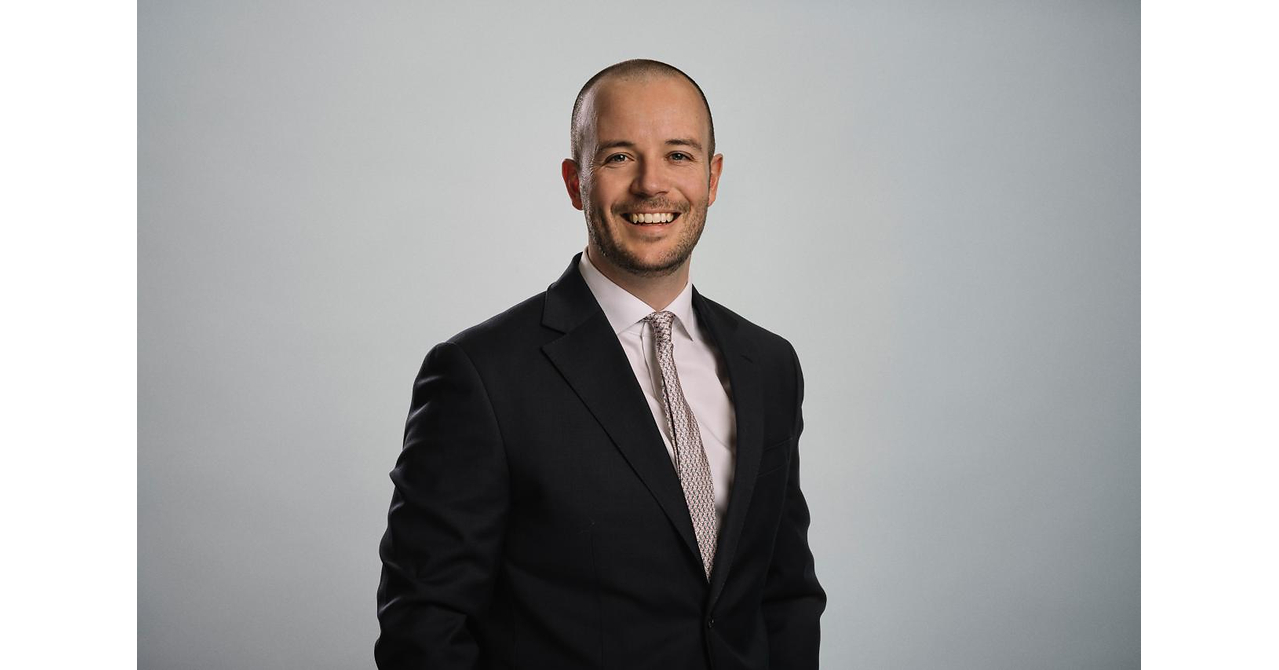
Markel Insurance appointed Dean Johnson as Head of Transport & Logistics and Rhys O'Neill as Head of Marine Liability following the creation of its Marine Transportation business. The hires are intended to support profitable portfolio expansion, underwriting discipline and broker access across marine, energy and logistics risks amid heightened geopolitical volatility, weather-related exposures and supply-chain disruption. The announcement contains no financial targets or near-term earnings impact.
Analysis
This is not an earnings-relevant event on its own; it is a capacity-allocation signal in specialty lines where underwriting discipline, rather than gross premium growth, determines value. MKL’s decentralized structure can create upside if the consolidated marine platform improves broker flow and cross-sells liability, cargo, hull and terminal risks, but meaningful written-premium or combined-ratio effects are unlikely to be visible before the next 2-4 reporting periods. The near-term read-through is therefore neutral for the stock unless management discloses incremental premium targets, rate adequacy or catastrophe/war aggregate limits.
The more investable implication is industry pricing. Marine war, port/terminal liability and logistics exposures are increasingly correlated through conflict disruption, weather and cargo accumulation; a coordinated underwriting platform may allow MKL to select complex risks while declining underpriced commodity business. If competitors deploy capacity aggressively, rates could soften despite higher loss severity, turning this into a negative-margin growth trap. TRV has relevant specialty expertise but lacks a clear direct catalyst from this organizational move.
Over 6-18 months, MKL could benefit disproportionately if London-market brokers favor carriers able to provide coordinated coverage across interdependent marine exposures. The key risk is that expanded authority raises tail aggregation in a major port, shipping lane closure or conflict-driven war-risk event; favorable accident-year pricing can be erased by one correlated loss cluster. Falsification: specialty combined ratio deterioration, reserve strengthening, or premium growth materially outpacing disclosed rate increases at MKL’s insurance operations.
AllMind Terminal
AI-powered research, real-time alerts, and portfolio analytics for institutional investors.
Request TrialMarket Sentiment
Overall Sentiment
mildly positive
Sentiment Score
0.20
Ticker Sentiment
Key Decisions for Investors
- No directional MKL trade on the appointments alone; treat as a monitoring item ahead of the next quarterly results. Upgrade only if management quantifies specialty marine premium growth with stable/improving accident-year combined ratio.
- For existing MKL longs, monitor insurance-segment net written premium growth versus pricing and reserve development over the next 2-4 quarters; reduce if growth accelerates while the specialty combined ratio worsens or catastrophe/war-loss disclosures rise.
- Watch Lloyd’s/London marine rate indices and broker commentary over the next 1-3 months. Sustained rate hardening alongside constrained capacity would support a selective long MKL thesis; evidence of broad new capacity or falling rates would favor avoiding specialty-insurer exposure.
- Use a relative-value framework rather than a standalone pair: MKL should outperform diversified P&C peers only if specialty underwriting margins expand. Do not short TRV on this news; its direct earnings sensitivity is insufficient.
More News
- P&C insurance sector outlook: five pure-play giants compared
- Grab aims for 'next level' in financial services with purchase of buy-now pay-later platform Atome
- BOJ expected to hike rates by 25 basis points to fresh three-decade high: CNBC survey
- Saudi coalition says Houthi drone destroyed near Mecca
- Iran war increasing inflation, straining US munitions: congressional report
- China's AI leaders keep quiet despite U.S. 'publicity' on tech risks