
„Tomorrow.Blue Economy 2026" gibt einen strategischen Kurs für die blaue Wirtschaft vor
Source: PR Newswire
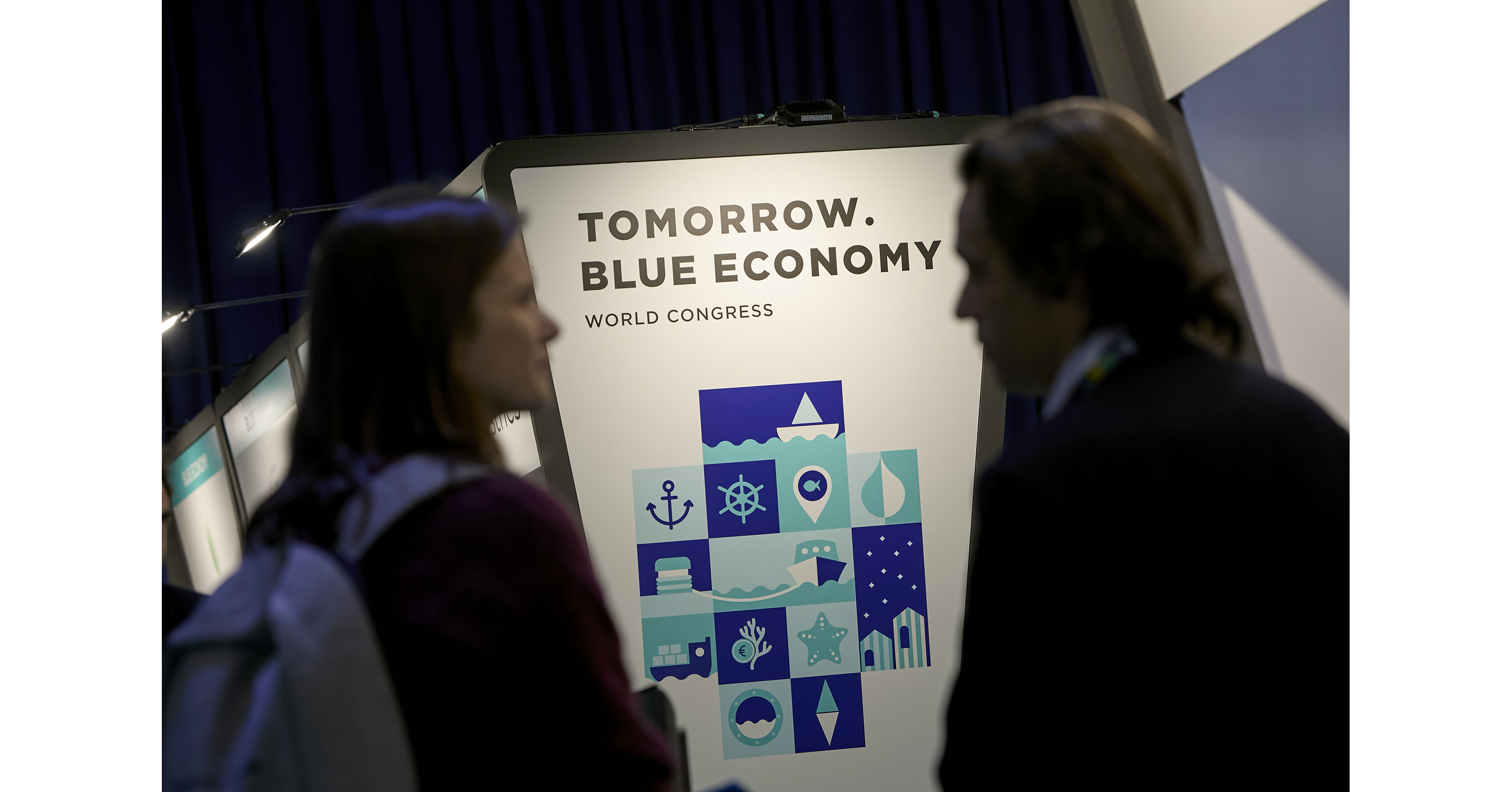
Barcelona will host the Tomorrow.Blue Economy World Congress from November 3-5, 2026, convening ports, public authorities, investors, companies, researchers and startups to advance sustainable ocean-based economic development. The program includes Smart Ports, the Global Blue Finance Summit and the Sustainable Ocean Summit, focused on port innovation, scalable blue-economy investment and ocean protection. The event will also feature the Ocean Innovation Hub for international blue-economy startups and run alongside Barcelona’s Smart City Expo-related conferences.
Analysis
This is not a public-equity earnings catalyst; it is a signal of where European municipal, port, and blended-finance procurement may concentrate over the next 12-24 months. The investable read-through is strongest for port electrification, terminal automation, vessel-efficiency software, shore-power equipment, and marine environmental monitoring—not broad ESG beta. EU compliance costs and access to green financing increasingly favor large operators with capital budgets and execution capabilities, potentially widening the gap versus smaller ports and fragmented logistics providers.
Near term, listed beneficiaries are more likely to emerge through contract announcements than conference-driven repricing. Potential beneficiaries include ABB (ABBN.SW) and Schneider Electric (SU.PA) in electrification and energy management; Siemens (SIE.DE) in automation; Kongsberg Gruppen (KOG.OL) in maritime digitalization; and Wärtsilä (WRT1V.HE) in vessel and port efficiency. A secondary beneficiary is A.P. Moller-Maersk (MAERSK-B.CO): decarbonization capex is a near-term cost, but compliance-ready fleet capacity can command relative pricing and reduce disruption risk as European emissions rules tighten.
Consensus may overestimate the immediate revenue impact from blue-finance narratives. Project pipelines are often constrained by permitting, grid interconnection, and public-budget timing, while sustainable-finance labels do not guarantee incremental funding. The better contrarian expression is to avoid indiscriminate clean-tech exposure and focus on incumbents that can monetize mandated infrastructure upgrades with service revenue and low customer concentration risk. Thesis fails if European port throughput weakens materially, power-grid connection queues extend, or EU/municipal funding programs are delayed beyond 2027.
AllMind Terminal
AI-powered research, real-time alerts, and portfolio analytics for institutional investors.
Request TrialMarket Sentiment
Overall Sentiment
mildly positive
Sentiment Score
0.18
Key Decisions for Investors
- No event-driven trade before the November conference; treat it as a 12-24 month procurement-intelligence catalyst rather than a reason to buy broad ESG or shipping exposure.
- Build a 3-6 month watchlist for ABBN.SW, SU.PA, SIE.DE, KOG.OL, and WRT1V.HE; initiate only following disclosed port, shore-power, automation, or marine-digitalization awards with identifiable revenue timing and margin terms.
- Prefer a basket long ABBN.SW/SU.PA/KOG.OL against a short position in a broad European clean-tech proxy only if project awards accelerate: the pair targets regulated infrastructure and automation spend while limiting exposure to speculative climate-technology multiples.
- For MAERSK-B.CO, monitor European route pricing and emissions-compliance pass-through during the next two quarterly results; consider a long only if management demonstrates that green-fuel and compliance costs are being recovered in freight rates rather than absorbed in margin.
- Set a negative trigger for the infrastructure basket if EU port capex guidance is cut, major grid-connection delays are disclosed, or European container volumes fall for two consecutive quarters; these would push project conversion beyond the market's valuation horizon.
More News
- SoftBank completes final phase of $30 billion investment in OpenAI
- Trump launches midterms campaign blitz amid record low approval ratings
- Amazon seeks to offload $8 billion of Nvidia chips to investors, FT reports
- Amazon seeks to offload $8 bln of Nvidia chips to investors- FT
- Iran urges Iraq to lift flight ban amid US sanctions
- Nvidia Faces Questions Over China AI Chip Smuggling Cases