
Is the two-decade era of low interest rates over? The Fed has to decide.
Source: MarketWatch
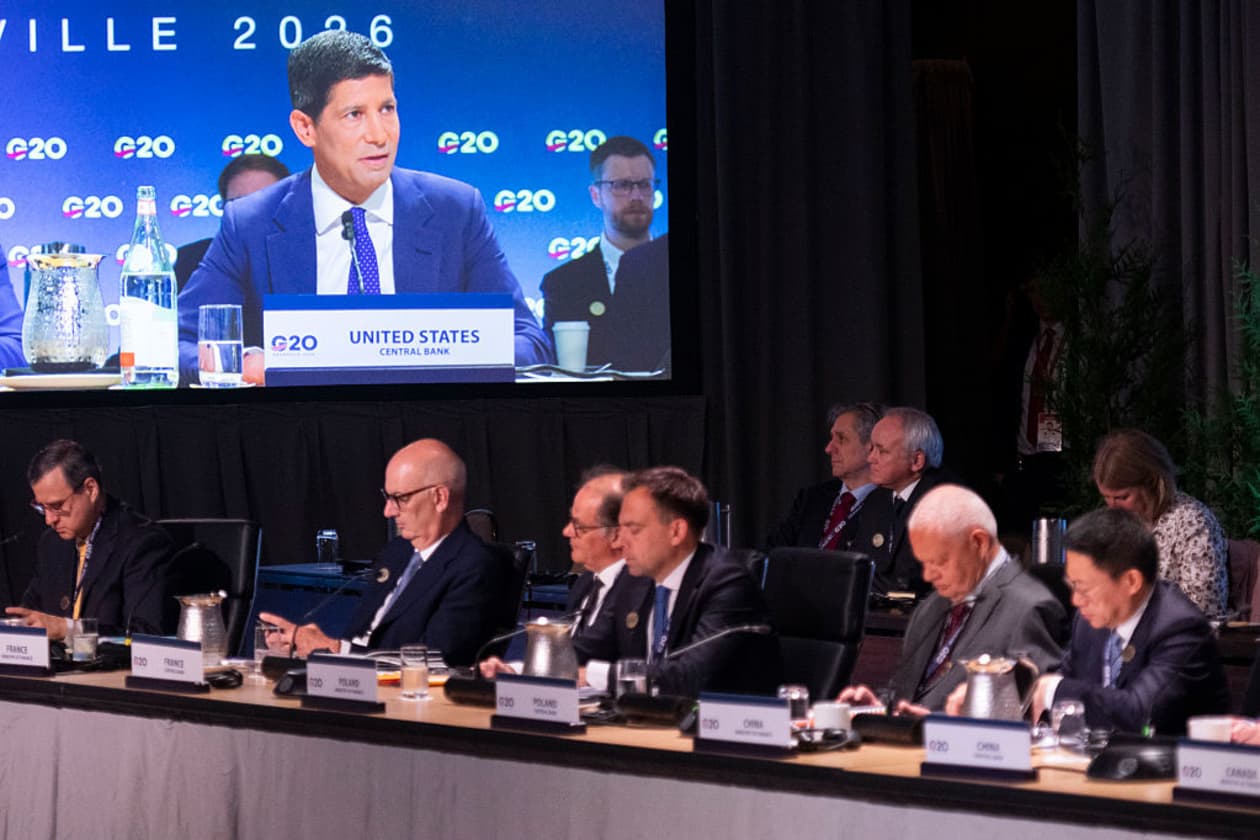
Global bond yields have reached multiyear highs, forcing the Federal Reserve to assess whether rates are reverting toward pre-2007-08 crisis ranges or entering a lasting structurally higher regime. Temporary supply-chain disruptions and energy insecurity may be contributing, but rising real rates, AI-driven capital demand, and potentially stronger productivity could support higher interest rates for years. The Fed's conclusion could have broad implications for global bond markets, equity valuations, and financing conditions.
Analysis
The investable question is not the next policy decision but whether the terminal real-rate assumption embedded in equity and credit valuations is too low. A durable 100bp upward shift in the 10-year real yield has a disproportionate impact on long-duration cash flows: high-multiple software, unprofitable AI infrastructure beneficiaries and private-credit vehicles face both multiple compression and rising refinancing costs. Relative beneficiaries are firms with near-term cash generation, low leverage and pricing power—particularly selective energy, defense and value-oriented financials—rather than “AI” as a broad factor.
AI capital expenditure could create a second-order rate channel that markets underappreciate: hyperscaler investment competes for power, grid equipment, semiconductors and construction labor, raising the cost of capital while favoring asset owners in constrained inputs. This is supportive of Eaton (ETN), Vertiv (VRT), Quanta Services (PWR) and gas-fired power exposure, but only if incremental capex converts to revenue rather than being absorbed by customers’ internal infrastructure spend. The same mechanism is negative for commercial real estate and highly levered telecom/cable issuers, where refinancing occurs against assets with limited pricing power.
Consensus may be too binary—either an imminent easing cycle or a permanent inflation regime. The more likely near-term outcome is rate volatility and a higher term premium, which can pressure both long bonds and expensive equities simultaneously. Falsify the higher-for-longer relative-value thesis if 10-year real yields decline materially alongside easing bank lending standards and downward revisions to nominal growth; that combination would favor long-duration growth and REITs over cash-flow value.
AllMind Terminal
AI-powered research, real-time alerts, and portfolio analytics for institutional investors.
Request TrialMarket Sentiment
Overall Sentiment
mixed
Sentiment Score
-0.05
Key Decisions for Investors
- Maintain a 3-6 month relative-value position: long ETN and PWR versus short IGV. The trade captures grid/capex bottlenecks against rate-sensitive software multiples; reassess if 10-year real yields fall below the prior quarter’s range or hyperscaler capex guidance weakens.
- Add a 1-3 month duration hedge through long TBF or put spreads on TLT rather than an outright large Treasury short. Size modestly: a rapid growth scare can overwhelm term-premium logic and produce a sharp bond rally.
- Underweight rate-sensitive balance-sheet risk via short IYR or a long XLF/short IYR pair over 6-12 months. Regional banks are not uniformly protected: CRE credit losses and deposit beta can offset net-interest-margin benefits, so favor diversified money-center exposure rather than KRE.
- Watch HYG and leveraged-loan spreads as the key confirmation signal. If spreads widen by roughly 75-100bp without a comparable equity drawdown, reduce cyclical and capex longs: refinancing risk would be replacing healthy real-rate repricing as the dominant market mechanism.
More News
- The Fed has to walk a fine line Wednesday. How the stock market may react, according to JPMorgan
- MBS and Saudi Arabia Face Crisis With Key Oil Pipeline Shut for Weeks
- US 10-Year Yield Rises to Highest Since 2007 as Fed Looms
- Iran war cost hits $38 billion, forecast to rise $3 billion a month, CBO says
- Saudi Arabia faces high-stakes choices as war with Houthis escalates
- Saudi pipeline closure is a brief interruption that will last days, U.S. Energy Secretary tells CNBC