
Sinopec veröffentlicht auf der COP17 in Armenien seinen ersten globalen Bericht zum Erhalt der biologischen Vielfalt
Source: PR Newswire
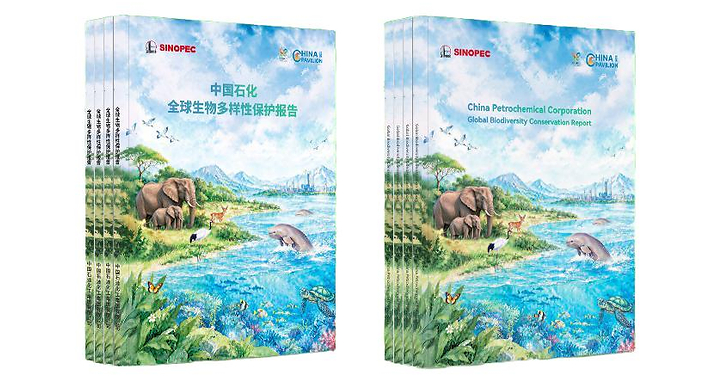
Sinopec published its first global biodiversity conservation report, detailing how biodiversity protections are incorporated into governance, operations and international projects. By end-2025, it had decommissioned 992 oil wells, 112 gas wells and 181 water wells; examples include expanding a heron habitat from 2,200 to 15,000 square meters and restoring 2.4 million square meters of rainforest vegetation in Ecuador. The report also highlights a million-ton-scale CCUS demonstration project and a 60,000-ton-per-year facility producing biodegradable PBST materials.
Analysis
This is primarily a disclosure and reputation signal, not evidence of a near-term earnings inflection. Biodiversity controls can reduce permitting delays, remediation liabilities and community opposition for capital-intensive projects—an insurance-like benefit that matters most in sensitive overseas operating areas. But the report does not quantify avoided costs, capex, operating interruptions or independently verified outcomes, so an ESG multiple premium is not yet underwritten.
The second-order risk is that site-level successes can coexist with material exposure elsewhere in the portfolio: aggregate claims do not establish that high-risk projects have lower incident rates or faster approvals. Asset closures may also entail decommissioning costs or foregone utilization; the article provides no financial detail to judge net impact. The CCUS demonstration and biodegradable-materials capacity could create strategic options, but commercial returns depend on utilization, unit economics, policy support and customer offtake—not capacity announcements alone.
No immediate catalyst or defensible directional trade follows from this release. Over 1–3 months, look for audited, comparable biodiversity metrics and any linkage to project approvals or costs. Over 6–18 months, the investment case strengthens only if operational data show fewer delays, incidents or remediation obligations without disproportionate spending. The contrarian point: biodiversity management may protect project continuity more than it creates a new growth stream; investors may over-credit headline initiatives while underpricing execution risk at individual sites.
AllMind Terminal
AI-powered research, real-time alerts, and portfolio analytics for institutional investors.
Request TrialMarket Sentiment
Overall Sentiment
mildly positive
Sentiment Score
0.25
Key Decisions for Investors
- No trade on the report alone. Avoid treating it as a near-term earnings catalyst or as proof of a company-wide reduction in environmental risk.
- Set a watch item for independently assured, site-level data: project delays, environmental incidents, remediation expense, closure costs and biodiversity-related capex. Reassess only if these metrics become comparable over time.
- For the CCUS and biodegradable-material initiatives, verify utilization, realized economics, policy support and contracted demand before assigning growth value; headline capacity is not evidence of profitable contribution.
- Falsification trigger: a material operating or permitting disruption at a sensitive site, rising remediation/decommissioning costs, or evidence that reported restoration outcomes do not translate into lower project risk would invalidate the implied risk-reduction thesis.
More News
- Explosions hit Iran’s Qeshm Island as US media report US strikes in Hormuz
- Marvell to buy Lumentum in $115 billion deal in AI data-center bet
- Oil price falls amid hope of a breakthrough to end Iran war
- Marvell, Lumentum tout historic $115B deal to create ‘category leader' in AI connectivity
- The AI boom is facing another supply crunch. This time it’s the amount of capital available to feed Silicon Valley’s endless need for cash
- Oil Prices Retreat, Apple Results on Deck