
In HelloNation, Insulation Expert Darren Haggett Explains Why Air Sealing Matters After Insulation
Source: PR Newswire
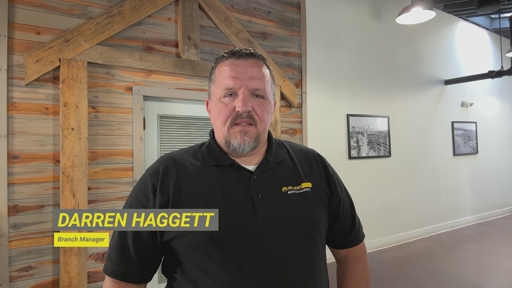
The article explains that installing insulation alone may not eliminate cold rooms because insulation slows heat transfer but does not stop air leakage through cracks, gaps, and unsealed openings (e.g., window frames, door thresholds, attic hatches, and penetrations for pipes/wiring). It argues air sealing and insulation work best together and recommends leak identification via visual inspection or a blower door test before adding more insulation, noting utility bills and drafts as indicators. Overall, the piece is practical homeowner guidance with no direct financial or market-moving data.
Analysis
This is not a clean catalyst for CRMT; the article is effectively a consumer education note with no identifiable revenue or margin linkage to auto retail. For public equities, the more plausible read-through is a tiny, broad-based nudge to home-improvement spend and retrofit activity, which is too diffuse to matter near term unless paired with rebates, tax credits, or utility programs that change payback math.
The second-order winners would be retailers and suppliers exposed to small-ticket DIY weatherization: HD, LOW, and, to a lesser extent, building-products names with insulation/air-sealing attachment sales. But this is already a mature, well-understood behavior pattern; the incremental demand signal from an awareness article is likely de minimis versus weather, housing turnover, and mortgage rates. On the margin, the bigger effect is substitution inside the project budget: homeowners may choose lower-cost air-sealing fixes instead of larger insulation jobs, which helps consumables and hand-tool aisles more than core building-material volumes.
Contrarianly, the market tends to overstate the monetization of “energy efficiency” content absent policy support. The real catalyst would be a local rebate rollout, code change, or a sustained utility-cost spike; without that, any lift should fade in days, not months. For CRMT specifically, the thesis is essentially no trade: the article does not change auto demand, credit quality, or used-car pricing, and there is no obvious second-order benefit worth underwriting.
AllMind Terminal
AI-powered research, real-time alerts, and portfolio analytics for institutional investors.
Request TrialMarket Sentiment
Overall Sentiment
neutral
Sentiment Score
0.05
Key Decisions for Investors
- No trade in CRMT on this item; treat as noise unless a broader consumer-spend signal emerges.
- Watch HD/LOW for any lift in weatherization-related basket spend, but only as a tactical read-through if utility prices spike or rebate activity accelerates over the next 1-3 months.
- If looking for a relative-value expression, consider a small long HD/LOW vs. broader consumer discretionary basket only if housing-related POS data confirms a pickup; otherwise avoid forcing exposure.
- Set an alert on state/utility retrofit incentive announcements over the next 6-12 months; that would be the real catalyst for insulation/air-sealing monetization and a better trade than the article itself.
More News
- AI Capex, Gamble or Jackpot?: Market Snapshot
- ‘I told you so’: China’s chip sector is making breakthroughs—and U.S. export controls are the reasons why
- One Singapore ship was sunk, but here's why others are still transiting the Strait of Hormuz
- Hybe shares jump 10% as K-pop sensation BTS' tour lifts earnings hopes
- Treasuries Soar as Tech Slump Threatens Growth
- Order to limit Starshield for Ukraine came from inside White House: Reuters reports