
The Scent of the Shower, Bottled: Dove Launches Its First-Ever Fine Fragrance in a One-Time Social Drop
Source: PR Newswire
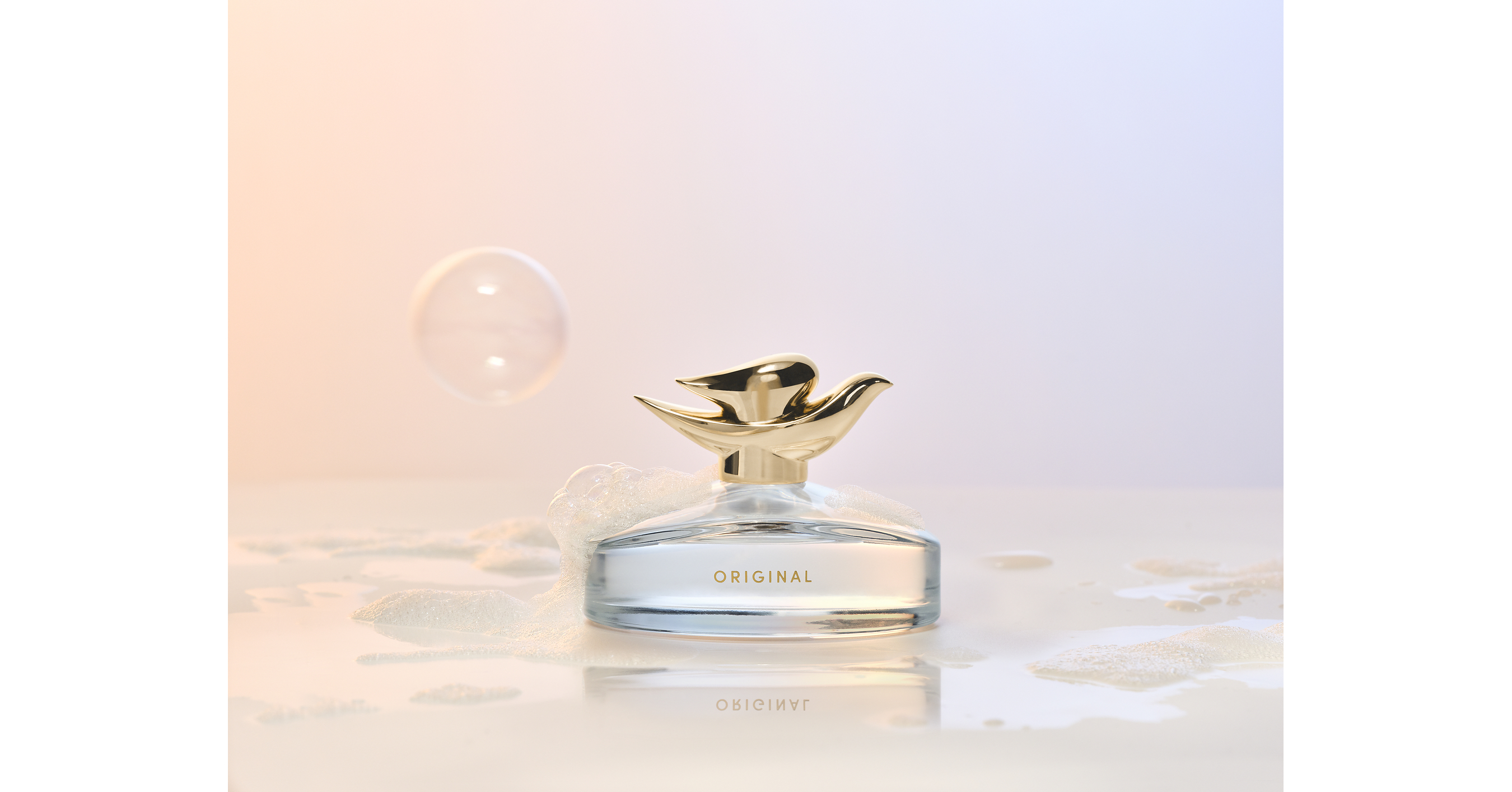
Dove is launching its first fine fragrance, a limited-edition scent based on its Original Beauty Bar, priced at $19.57—a reference to the bar’s 1957 launch. Waitlist sign-up opens October 22, with sales beginning October 27 at 9 a.m. PST / 12 p.m. EST; the one-time drop will not be restocked once sold out.
Analysis
This is a brand-engagement experiment, not yet evidence of a material earnings driver for Unilever. The economic option value is whether Dove can convert a familiar mass-market scent into repeatable, higher-value adjacent products while retaining its accessible positioning. A one-off drop may generate useful first-party demand and conversion data, but scarcity-driven sell-through would not establish durable fragrance demand or pricing power. Near term, social engagement and a sellout could support Dove’s brand relevance; over 1–3 months, the key test is whether Unilever signals follow-on launches or broader retail distribution. Over 6–18 months, sustained extensions could deepen brand equity, though they may also blur Dove’s care-led positioning or invite imitation by other mass personal-care brands. The contrarian point is that high consumer enthusiasm can be a weak financial signal: limited inventory and a low price can create a sellout without meaningful incremental revenue. No company-specific margin, unit-volume, or repeat-purchase data is provided. For a diversified company of Unilever’s scale, the launch alone is unlikely to change the investment case.
AllMind Terminal
AI-powered research, real-time alerts, and portfolio analytics for institutional investors.
Request TrialMarket Sentiment
Overall Sentiment
mildly positive
Sentiment Score
0.20
Ticker Sentiment
Key Decisions for Investors
- No standalone trade: treat the launch as a low-materiality brand signal rather than an earnings catalyst for UL.
- Monitor for verifiable follow-through: restocks, permanent retail distribution, repeat purchase, or additional fragrance extensions. A single sellout without those indicators would not validate a scalable business.
- If Unilever discusses the launch in upcoming commentary, check whether it cites incremental sales or consumer data rather than engagement and waitlist activity alone; absent such evidence, avoid extrapolating to group growth or margins.
- Falsification of the cautious view would be a sustained extension into broader distribution accompanied by evidence of repeat demand; the thesis weakens further if the drop fails to sell through or receives no follow-on support.
More News
- Apple’s iPhone Duo Hits Stores in Face of Short Supply and High Demand
- Personal agents like Meta's Muse could fuel AI’s growth — and challenge Amazon and Apple
- Meta Platforms beat the Street. Here's why analysts are bullish on the stock
- Procter & Gamble earnings beat as sales rise 4%, boosted by laundry and home products
- Disney’s multiplatform Super Bowl plan frustrates ABC affiliates
- Why is Deckers Outdoor stock sliding today?