
Spoločnosť Midea na veľtrhu IFA 2026 vyzdvihuje svoje vedúce postavenie s technológiou R290 a udržateľné inovácie v sektore vykurovania, vetrania a klimatizácie
Source: PR Newswire
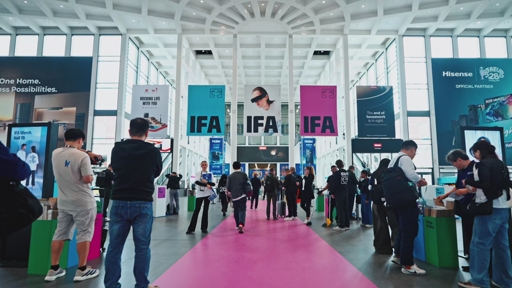
Midea unveiled sustainable HVAC and home-energy products at IFA 2026, centered on R290 refrigerant technology, heat pumps and smart energy management. The company says it has sold more than 10 million R290 air conditioners since 2018, reducing emissions by approximately 5.2 million tCO2e; R290 systems offer roughly 10% higher energy efficiency. New offerings include the H-Pack indoor heat pump, VitaBreeze smart airflow system, Raynor Pro heat pump operating down to -40°C, and MHELIOS energy management integrating EV charging, solar and battery storage.
Analysis
This is strategically relevant but not yet investable: Midea is private, and the release supplies no pricing, order backlog, channel commitments, or capacity data. The material implication is that European HVAC is shifting from a hardware sale toward a bundled system—heat pump, battery, solar, EV charging, and energy-management software—which raises switching costs and gives low-cost Asian OEMs a route to take share from premium European incumbents. The near-term pressure point is likely European residential HVAC pricing and distributor margins rather than immediate demand growth.
Daikin (6367 JP), Mitsubishi Electric (6503 JP), Panasonic (6752 JP), and NIBE Industrier (NIBE B SS) have greater European heat-pump exposure and could face multiple compression if R290 indoor-only products prove easier to install in constrained urban housing. Conversely, component suppliers with broad platform exposure—compressors, power electronics, controls, and residential storage—may benefit irrespective of OEM share shifts; the key issue is whether new refrigerant safety requirements create a certification bottleneck that favors established channels rather than Midea.
Over 1-3 months, watch European distributor listings, retail price points versus Daikin/NIBE equivalents, installer certification uptake, and evidence of German demand-response enrollment under §14a. Over 6-18 months, successful integration of household flexibility can expand recurring software/service revenue and improve heat-pump economics under volatile power tariffs, but consumer adoption remains highly subsidy- and electricity-price-sensitive. The thesis is falsified if European regulators or insurers impose materially higher R290 installation requirements, or if incumbent price cuts prevent Midea from achieving channel penetration without sacrificing margin.
Consensus may overvalue feature differentiation and awards while undervaluing installation economics. A product that reduces permitting, exterior-unit constraints, and labor time can win even at inferior brand recognition; however, installer trust and after-sales service are the binding constraints in Europe. This makes 2027 commercialization and verified channel/service coverage—not exhibition visibility—the relevant catalyst.
AllMind Terminal
AI-powered research, real-time alerts, and portfolio analytics for institutional investors.
Request TrialMarket Sentiment
Overall Sentiment
moderately positive
Sentiment Score
0.48
Key Decisions for Investors
- No outright trade on this release; create a 1-3 month alert for European retail/distributor pricing and installer availability for Midea’s new heat-pump platforms. Upgrade only if price is at least 10-15% below comparable Daikin/NIBE systems without an abnormal warranty or installation-cost offset.
- Maintain a relative-value watch: short NIBE B SS versus long 6367 JP only if European residential heat-pump sell-through weakens while Asian OEM channel penetration accelerates. The pair isolates a potential European premium-multiple de-rating; stop if NIBE restores volume guidance or demonstrates stable gross margin despite pricing pressure.
- Monitor German residential flexibility adoption as a second-order beneficiary signal for Enphase (ENPH), SolarEdge (SEDG), and residential-storage supply chains. Do not initiate until disclosed attachment rates for batteries/EV chargers and tariff-driven savings establish that energy-management demand is translating into revenue rather than product demonstrations.
- For Daikin and Mitsubishi Electric, treat any 2027 evidence of R290-related certification delays, insurer restrictions, or elevated service claims as a catalyst to cover competitive-risk hedges: those frictions would reinforce incumbent installed-base and technician-network advantages.
More News
- Here’s the ‘core economic flaw’ in the AI bull case as stock and bond trades unravel, according to a top economist
- Iran says won’t allow US warships to get close as Trump ponders new attacks
- American embassies tighten security as Iran threat warnings intensify ahead of U.S. midterm elections
- Saudi-led coalition says it intercepted Houthi ballistic missiles targeting Saudi cities
- Biotech stocks are surging. How investors can play the new drug innovation boom
- AI funding fears rattle Wall Street. Here's how we're adjusting our portfolio