
PulseAI Receives U.S. FDA 510(k) Clearance of AI-Powered Arrhythmia Analysis Model for Wearables
Source: PR Newswire
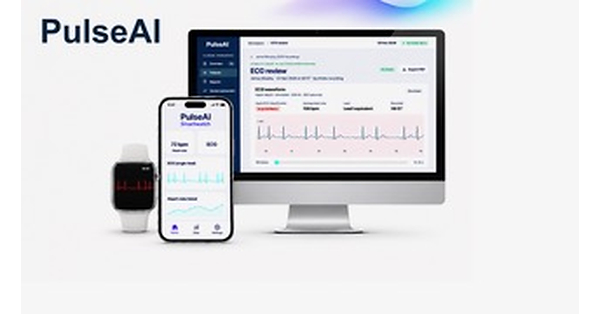
PulseAI received FDA 510(k) clearance for its AI-powered arrhythmia analysis model for wearables. In a prospective study of 296 participants, the model reported a 92% reduction in inconclusive interpretations versus the Apple Watch's native algorithm and improved AFib detection sensitivity. The clearance enables the company to pursue integration with compatible devices and platforms; no commercial or financial impact was quantified.
Analysis
The investable signal is not a near-term hit to Apple: clearance for one vendor’s model does not establish an Apple integration, change Watch economics, or demonstrate meaningful displacement of Apple’s native interpretation. The more important competitive implication is that an independent analysis layer could weaken the link between wearable differentiation and the device maker’s own algorithm—if PulseAI wins platform and provider distribution. That outcome remains unproven; FDA clearance is a regulatory gate, not evidence of adoption, reimbursement, or recurring revenue.
The claimed reduction in inconclusive readings could lower manual review per recording, but also make wearable ECG programs easier to scale and increase total recordings entering clinical workflows. Net provider savings therefore depend on real-world false-positive rates, review time, and downstream follow-up—not the headline study result alone. The 296-participant study and company announcement are insufficient to establish broad clinical or economic impact.
Days: likely limited fundamental impact on AAPL; any knee-jerk read-through to wearable competition is vulnerable to reversal. Over 1–3 months, watch for named OEM/software integrations, provider deployments, and independent validation. Over 6–18 months, successful workflow adoption could pressure device vendors to improve algorithms or partner, while creating value for interoperable diagnostic software. The thesis fails if pilots do not convert, performance weakens in broader populations, or integration/privacy requirements slow deployment.
AllMind Terminal
AI-powered research, real-time alerts, and portfolio analytics for institutional investors.
Request TrialMarket Sentiment
Overall Sentiment
moderately positive
Sentiment Score
0.55
Ticker Sentiment
Key Decisions for Investors
- No trade in AAPL on this announcement alone. The commercial link to Apple, adoption scale, and revenue exposure are unreported; do not treat a competitor’s clearance as evidence of lost Watch sales or share.
- Set an adoption alert for PulseAI: verify signed integrations, live provider deployments, independent real-world sensitivity and false-positive data, review-time impact, and any reimbursement pathway before underwriting a durable software revenue stream.
- If AAPL sells off on a perceived wearable-AI threat without evidence of integration or substitution, consider fading that reaction rather than initiating a structural short. Reassess if PulseAI secures major platform distribution and subsequent evidence shows sustained use and displacement of native analysis.
More News
- U.S. stock futures rise after AI rout batters Wall St; payrolls data in focus
- Siri AI's Biggest Upgrade Yet + John Ternus's First Apple Earnings Call
- Apple Taps Bond Market for $7B as Tech Sells Off
- Nasdaq futures slip on chip weakness; S&P 500 holds gains
- Apple and Home Depot join list of objectors to tokenized stock plan pushed by NYSE owner
- OpenAI’s Dots are coming up against the price of privacy, and the price of compute