
3 Energy Stocks Positioned for Extended Iran-War Volatility
Source: zacks.com
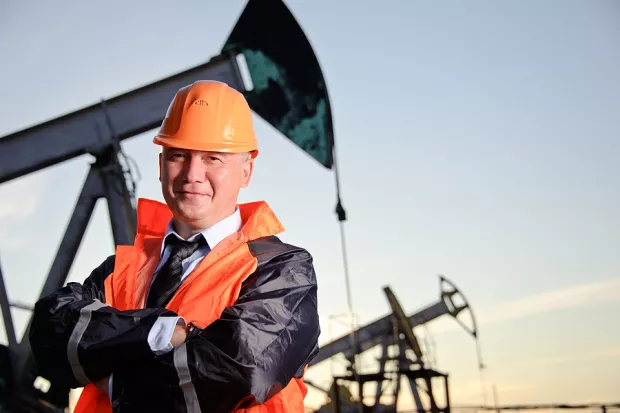
Brent crude recently returned to around $100 per barrel amid Iran-war-related volatility, shipping disruption and tight refined-product and LNG supplies. The article highlights Chevron’s U.S. and Guyana production, Cheniere’s completed Corpus Christi Stage 3 expansion—which lifted capacity across Corpus Christi and Sabine Pass by more than 20% to roughly 56 million tonnes per annum—and Shell’s diversified businesses as potential sources of resilience. Shell also faces greater Gulf exposure, and damage to one processing train at its Pearl facility illustrates the operational risk; Cheniere had previously raised its 2026 adjusted EBITDA and distributable cash flow outlook.
Analysis
The investable distinction is duration of the disruption, not simply the spot price. A short-lived supply shock can lift crude and product prices quickly, but it may not translate into durable earnings upside if freight bottlenecks, weaker demand, or a recovery in Gulf flows unwind the scarcity premium. Chevron offers the cleaner oil exposure of the three, though the trade still depends on crude prices and execution in its growth regions—not just geographic insulation. Shell’s diversified businesses may capture trading and refining dislocations, but those offsets should not be assumed to fully neutralize disruption at an affected asset; the cited Pearl damage is one facility incident, not evidence of broader impairment.
Cheniere’s potential advantage is strategic contracting and export capacity, rather than a guaranteed windfall from higher LNG prices. Verify utilization, contract economics, cargo availability, and incremental long-term commitments: capacity without reliable feedgas, shipping, or attractive contract terms may not deliver the expected cash-flow step-up. A second-order risk is that elevated prices accelerate buyer diversification and new competing supply, eventually compressing scarcity rents. Over 6–18 months, that supply response could matter more than current headlines. The article’s positive framing is therefore strongest for resilience, weaker as a basis for buying all three indiscriminately.
AllMind Terminal
AI-powered research, real-time alerts, and portfolio analytics for institutional investors.
Request TrialMarket Sentiment
Overall Sentiment
mildly positive
Sentiment Score
0.15
Ticker Sentiment
Key Decisions for Investors
- Consider a modest long CVX / short SHEL relative-value position only if Gulf disruption persists and crude remains supported: it expresses lower direct regional exposure rather than an outright energy-price call. Reassess if Gulf operations normalize or Chevron’s growth execution/guidance weakens; do not infer valuation cheapness from the article.
- Keep LNG on a catalyst watch, not a conflict-headline chase. Upgrade to a long only with confirmation of sustained high utilization, favorable incremental contract economics, and additional durable customer commitments. Falsifiers: utilization or cash-flow guidance disappoints, shipping constraints persist, or new supply reduces buyers’ urgency.
- For the next 1–3 months, monitor Brent and refined-product cracks alongside tanker/freight conditions. A crude spike accompanied by falling product cracks or demand weakness would undermine the upstream-long thesis and could make an energy-sector rally vulnerable to reversal.
- Track Qatar/Gulf asset updates separately from consolidated Shell performance. A verified increase in outage duration or project delays would strengthen the relative short case; evidence that trading/refining offsets absorb the impact, or a de-escalation and restored flows, would weaken it.
More News
- US forecasts hurricane later this week in Gulf of Mexico
- The world has nearly burned through its oil stockpile buffer, executives say
- Equinor warns UK risks uninvestable label over North Sea projects
- Chevron CFO Eimear Bonner built a 20-plus-year career at the company. Now she’ll run its core business
- Unsure how long this AI bull has? Bonds now offer a cushion at the best values in years
- US stock market hits all-time high as investors bet big on AI
From AllMind Research
- Anthropic IPO Preview: Valuation, Timing, and What to Watch
- Shein After the IPO: Venue, Valuation, and What Must Be Proved
- What AI Research Tools Should a Small Hedge Fund Buy First?
- Weekly Update: Sector Analysis, Improvements on Research Data, and Performance Enhancements
- Choosing an AI Copilot for Equity Research