
Keine Blackboxes mehr: RoboParty bringt die Open-Source-Vollplattform RP1 auf den Markt
Source: PR Newswire
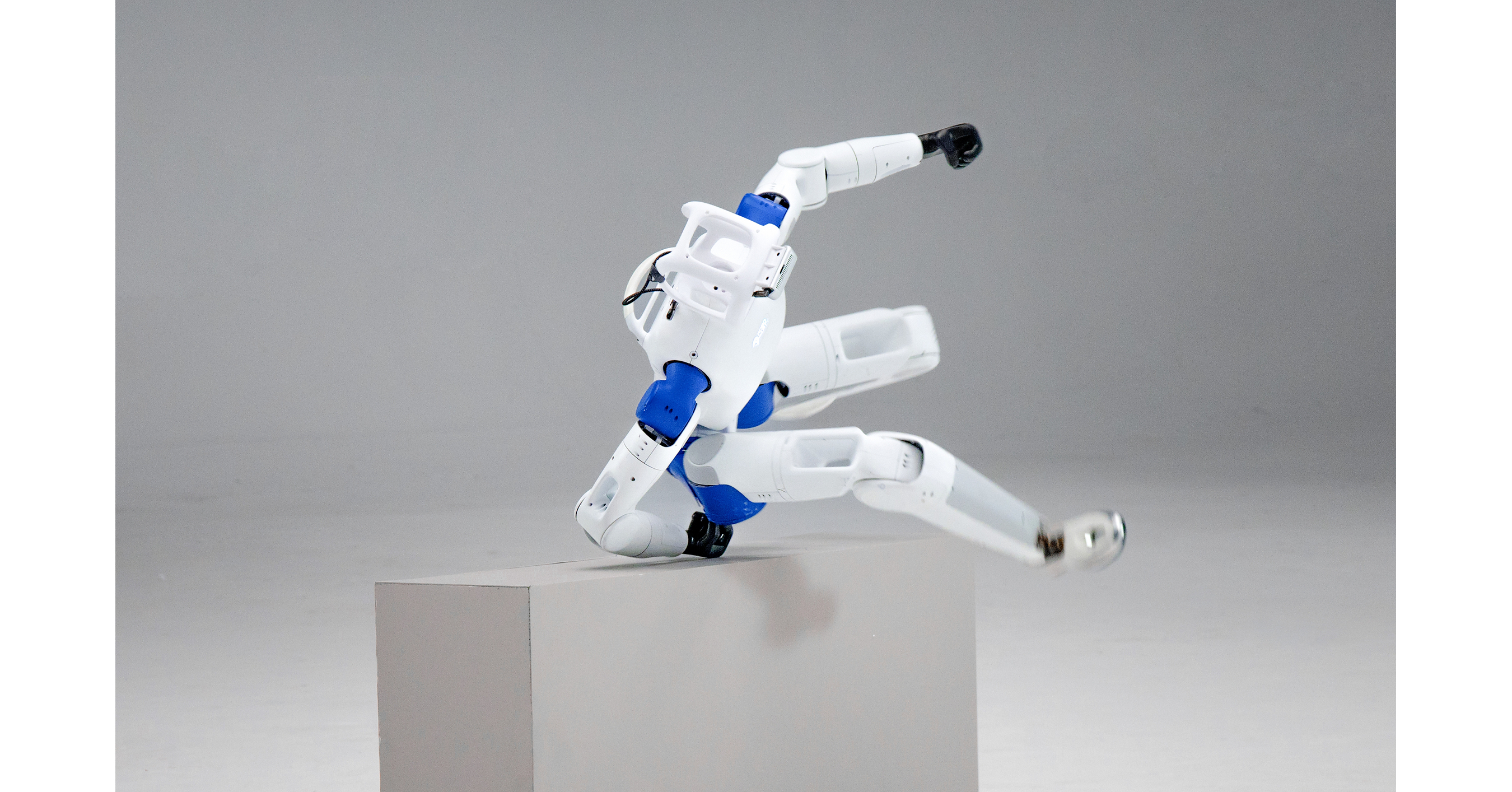
RoboParty launched RP1 (ROBOTO 01), an open-source humanoid platform for robotics research and embodied AI, combining access to hardware and software with modular configurations. The standard model is about 1.3 meters tall with 24 active degrees of freedom; RP1 Pro has 30, with both counts excluding the right hand. Higher-level perception and interaction capabilities still require integration and validation, and additional software is planned for phased open-source release.
Analysis
The investable question is not whether an open humanoid platform attracts research interest, but whether RoboParty can turn openness into a durable ecosystem without giving away the only sources of differentiation. Publicly inspectable hardware and software can lower the cost of experimentation and improve reproducibility; if independent teams contribute working modules and benchmarks, adoption may compound through shared tools and training data. That could make closed platforms less attractive to research buyers. The countereffect is that transparent, modular designs can commoditize hardware and shift value toward reliable actuators, compute, integration, and support—not necessarily toward the platform originator.
Near term, the launch has little demonstrated earnings read-through: the release supplies no pricing, shipment, backlog, or independent validation, and acknowledges that higher-level capabilities still require integration and testing. Treat it as a research-market signal, not evidence of commercial-scale humanoid deployment. Over 1–3 months, verify repository activity, documentation completeness, third-party reproductions, delivery lead times, and paid deployments. Over 6–18 months, the key test is whether shared tooling creates a repeatable adoption loop or instead leaves users to absorb substantial integration and maintenance costs.
The contrarian risk is assuming “open source” automatically creates network effects. Fragmented forks, incomplete task capabilities, and support burden could limit adoption; even strong research uptake may not translate into production demand. No direct public-equity trade is justified from this release alone.
AllMind Terminal
AI-powered research, real-time alerts, and portfolio analytics for institutional investors.
Request TrialMarket Sentiment
Overall Sentiment
mildly positive
Sentiment Score
0.20
Key Decisions for Investors
- No directional position on RoboParty is actionable from the announcement: no ticker, commercial terms, shipment data, or verified customer adoption are provided.
- Set an adoption alert for the next 1–3 months: look for independent hardware builds, repeatable sim-to-real results, sustained external contributions, and paid deployments—not repository stars or company claims alone.
- If adoption is independently verified, assess exposure to the robotics compute and component supply chain as a conditional second-order beneficiary; first establish which parts are sourced externally and whether RP1 volumes are material.
- Falsify the ecosystem thesis if documentation or planned software releases stall, independent teams cannot reproduce results, or evidence shows each deployment requires extensive bespoke integration. Reassess any production-demand thesis if paid orders and delivery evidence remain absent over the next 6–18 months.
More News
- Why did CoreWeave stock get crushed this week? Look to this corner of the debt market for clues
- AI stock sell-off ramps up over debt-fueled data center spending fears: ‘Full-blown crisis of confidence'
- Dow falls 189 points as AI stocks slide and oil prices surge
- Wall Street Anxiety Spreads as AI Rout Meets $110 Oil Shock
- Wall Street's fear gauge is ripping. Traders see it going even higher
- All the news about the iPhone Duo