
Diet High in Ultra-Processed Foods Linked to More Than $350,000 in Lifetime Costs, First-of-Its-Kind Analysis Estimates
Source: PR Newswire
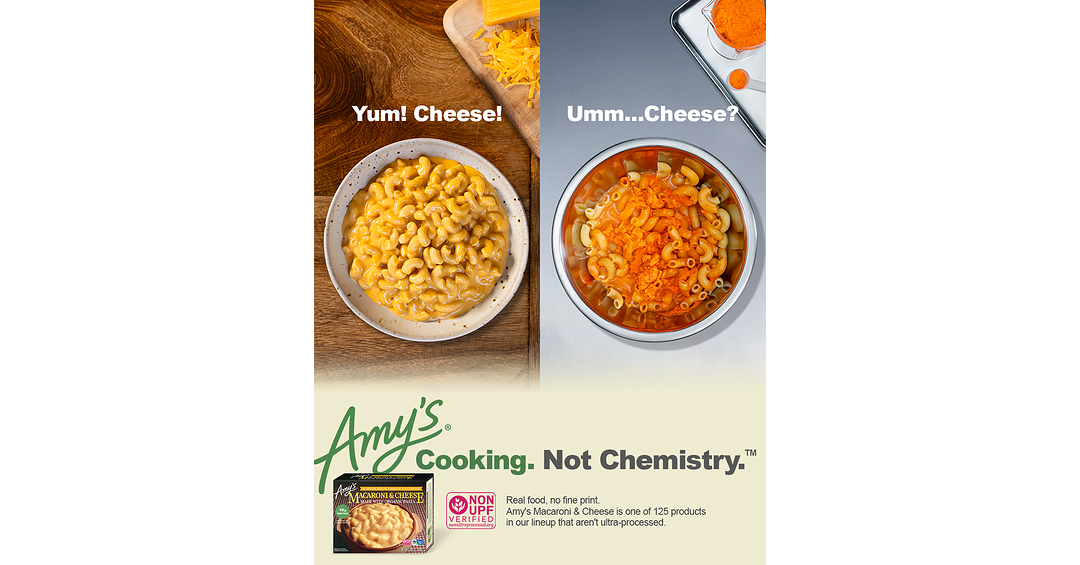
An Amy’s Kitchen-commissioned, independently conducted analysis estimates that Americans in the top fifth of ultra-processed-food consumption face $359,836 in additional lifetime costs versus those in the bottom fifth. About $338,419 of the estimate reflects the economic value of roughly 10 months of shorter life expectancy, while $21,417 reflects additional health-related costs; the underlying evidence is observational and does not establish causation. A survey of 2,000 Americans found respondents estimated ultra-processed foods at 16% of their diet, compared with CDC data indicating about 53% of adults’ calories.
Analysis
The investable signal is not the headline lifetime-cost figure; it is whether trusted “non-UPF” labeling becomes a purchase and shelf-space advantage. The estimate is commissioned by Amy’s Kitchen, rests on observational associations, and most of its headline value reflects monetized life expectancy—not direct medical or household spending. Treat it as consumer-marketing evidence, not a quantified earnings or healthcare-cost forecast.
Near term, the survey’s stated willingness to pay more is not demonstrated purchasing behavior. Amy’s is privately held, so there is no direct equity exposure; a single brand’s certification is not proof of category-wide share gains. If retailers expand verified-product placement, established packaged-food companies could face added formulation, sourcing and substantiation costs, while brands with simpler ingredient lists gain differentiation. The burden may travel upstream to ingredient suppliers and contract manufacturers. A fragmented definition of “ultra-processed” and competing standards could, however, limit consumer trust and blunt the effect.
Over 1–3 months, watch for independent sell-through data, retailer assortment decisions, and whether peers pursue credible certification—not just campaign claims. Over 6–18 months, regulatory or scientific convergence on definitions could raise reformulation and labeling stakes. The contrarian point: awareness may rise without consumers changing behavior, especially if price-sensitive shoppers prioritize affordability; conversely, investors may underprice reputational and shelf-space risk if retailers make verification a selection criterion. No immediate directional trade is justified by this release alone.
AllMind Terminal
AI-powered research, real-time alerts, and portfolio analytics for institutional investors.
Request TrialMarket Sentiment
Overall Sentiment
mixed
Sentiment Score
0.10
Key Decisions for Investors
- No event-driven position on this release. Amy’s Kitchen is not a listed exposure in the supplied data, and the analysis does not establish incremental revenue or profit for public peers.
- Set an alert on major packaged-food companies, including Kraft Heinz, Conagra Brands and General Mills, for verified-product launches, reformulation costs, or retailer assortment changes. Treat certification announcements as claims until supported by third-party standards and sell-through evidence.
- For a potential relative-value screen, compare natural/organic packaged-food names with conventional packaged-food peers only after obtaining comparable valuation, category exposure and organic growth data; do not initiate a basket from this survey alone.
- Falsify the emerging-labeling-risk thesis if independent retailer data show no shelf-space or sales response over coming quarters, or if consumers do not sustain a price premium. Upgrade the risk if major retailers adopt a common standard or peers disclose material reformulation and sourcing costs.
More News
- BlackRock, GIC among investors chasing Indian telecom major Jio's IPO as anchor bids top $26 billion
- Elice shares plunge 28% on debut as investor doubts over AI trade deepen
- More China Stimulus Needed Despite Easing: Polka Mishra
- Gartner analyst behind tech rout: AI returns are not yet large enough to justify neocloud build-out
- Walmart’s Flipkart is quietly building a food delivery challenger in India
- Credit stress is threatening to unwind the AI bull. All eyes are on Oracle to hold the line