
Berry Bros. & Rudd Introduces House of 1698 for American Wine & Spirits Collectors
Source: PR Newswire
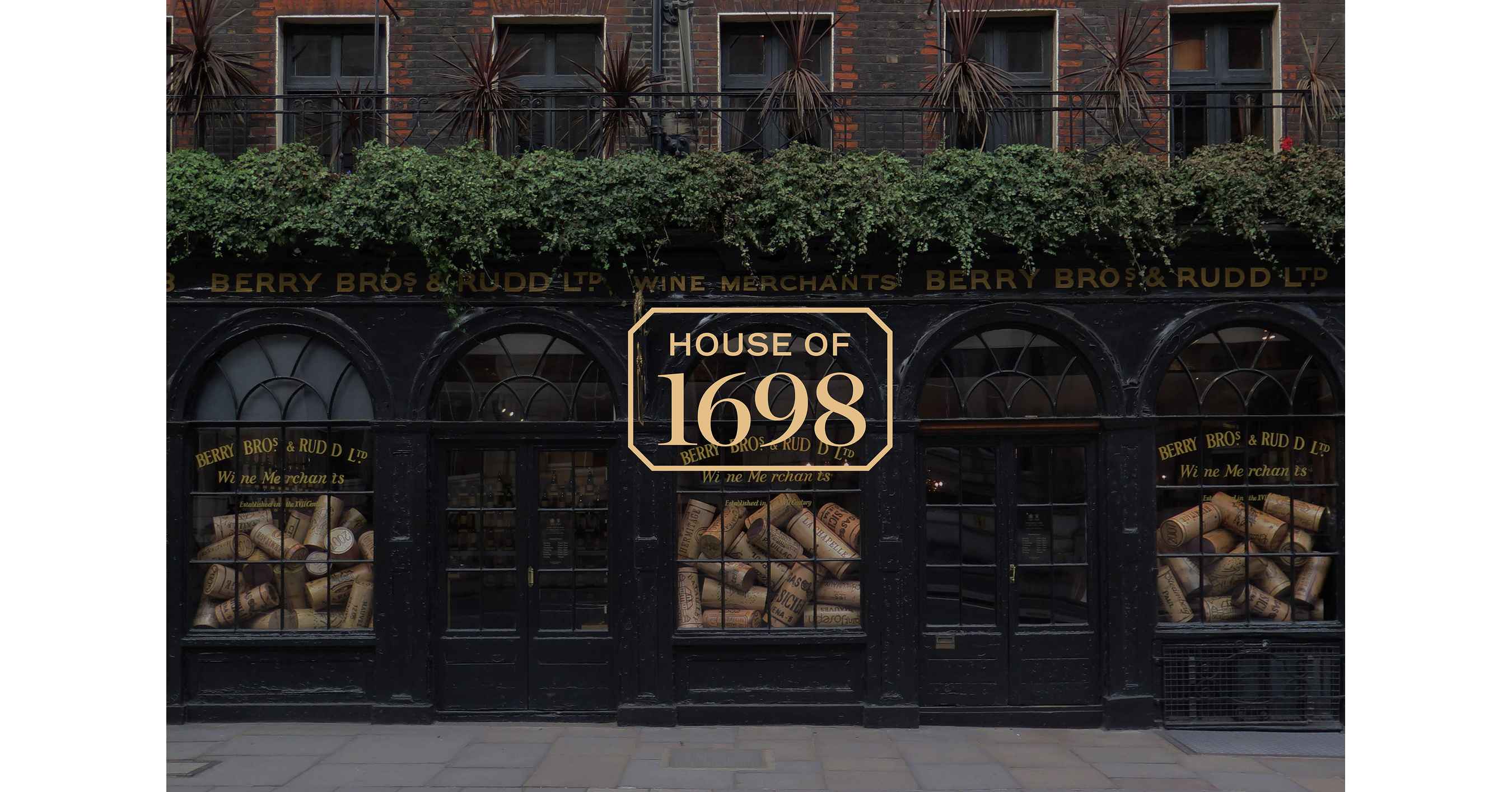
Berry Bros. & Rudd launched House of 1698, a global private-client membership program offering tiered access to wines, spirits, expertise and experiences. US annual-spend thresholds are $15,000 for Green, $50,000 for Gold and $100,000 for Black; members can also qualify by placing the required amount on account for future purchases and experiences. The launch expands the merchant’s US offering one year after opening in Washington, DC, but the announcement provides no financial or membership targets.
Analysis
This is a customer-monetization and retention experiment, not evidence of a broad wine-demand inflection. Spend-based tiers can concentrate scarce allocations and service around the highest-value clients, potentially lifting repeat purchasing and customer lifetime value. The counterpoint: benefits and experiences add operating complexity, and the announcement provides no member counts, conversion, incremental spend, or contribution-margin data to establish that economics improve.
The option to pre-fund qualifying spend could support cash timing, but it is not equivalent to recognized revenue: it creates future fulfillment obligations and may simply pull purchases forward. Allocation access can also redistribute existing supply rather than increase producer sales, limiting any read-through to wineries. The model could pressure competing merchants for affluent clients, while auction platforms may benefit if deeper collector engagement increases trading activity; neither effect is yet demonstrated.
Near term, likely little investible impact: Berry Bros. & Rudd is private, and the launch is not a clean read-through to listed wine producers or luxury groups. Over 1–3 months, the useful evidence is enrollment, redemption, repeat spend, and whether US activity expands beyond a small collector niche. Over 6–18 months, execution depends on retaining high-spend clients and preserving access to sought-after bottles. A downturn in discretionary spending, weaker fine-wine prices, or reduced producer allocations could undermine the proposition. Contrarian read: premiumization may sound like demand strength, but annual-spend thresholds can be a loyalty mechanism for existing customers rather than customer acquisition or category growth.
AllMind Terminal
AI-powered research, real-time alerts, and portfolio analytics for institutional investors.
Request TrialMarket Sentiment
Overall Sentiment
mildly positive
Sentiment Score
0.20
Key Decisions for Investors
- No direct position on this announcement: the company is private and the release supplies no quantified economics. Avoid treating it as a bullish signal for listed wine producers or luxury stocks.
- Set a 1–3 month watch item for evidence of member enrollment, incremental spend versus prior customer behavior, repeat purchase, and redemption economics; distinguish prepayments from recognized sales.
- For listed wine and luxury exposures, keep this as a low-weight qualitative indicator only. Reassess if independent data show sustained strength in fine-wine auction prices and high-end demand; weakness in either would challenge the premiumization thesis.
- Falsification: if membership uptake is weak, qualifying spend is largely shifted forward, or scarce-bottle access fails to retain clients, the model is more likely a costly loyalty overlay than a source of durable growth.
More News
- South Korean carmaker Hyundai plans 'strategic' investment of $15.5 billion in India by 2032
- Namibia battles cattle disease outbreak as EU suspends several meat imports
- Applied Materials’ $5 billion AI lab aims to cut chip development time in half—and restore Silicon Valley’s edge
- Wells Fargo CFO on Earnings, Deals, Consumer Strength
- Bank of America hit with more than $1.2 billion in penalties over money-laundering violations
- Meta’s Muse models reach the AI frontier—and kill any hopes to ‘pace’ it