
High Court coal decision, Firmus IPO, diesel prices
Source: Bloomberg
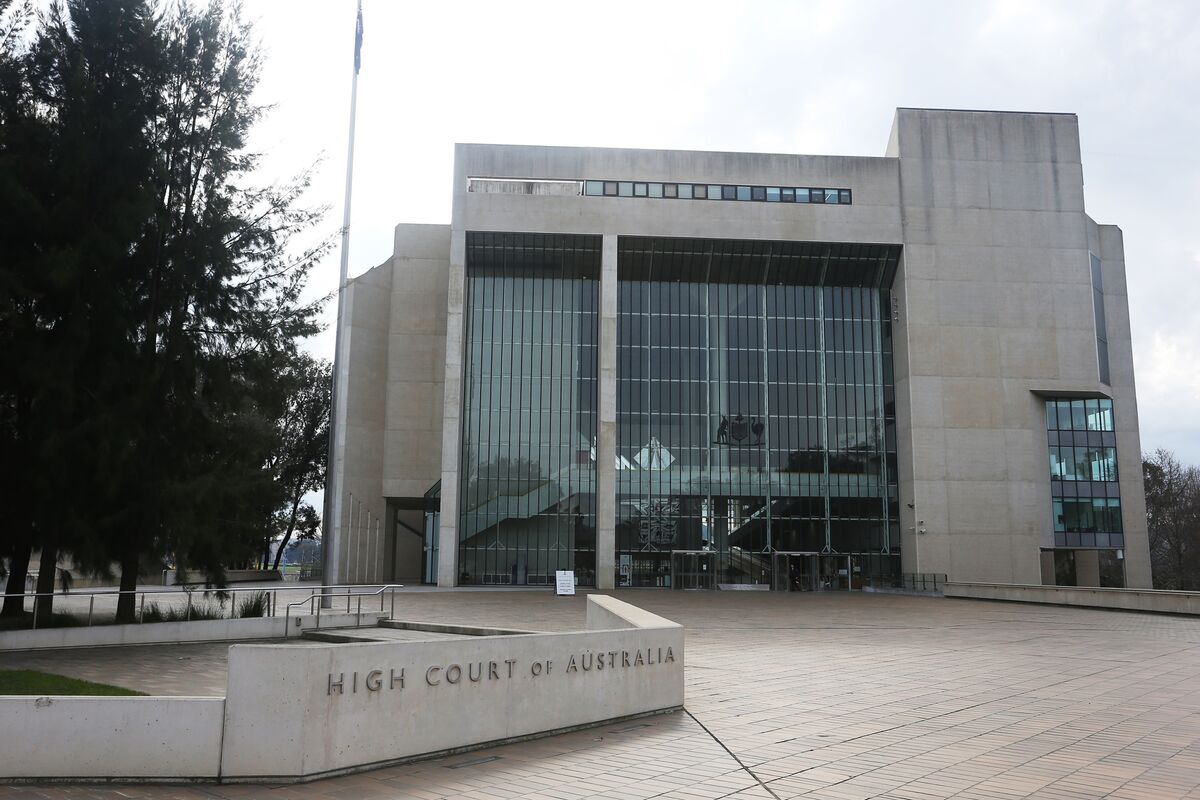
Australia’s High Court ruled that planning authorities should have considered the climate impacts of overseas customers burning coal from a New South Wales mine before approving it, potentially adding an approval hurdle for mining and oil and gas projects. The decision directly applies only to NSW but could set a broader precedent; the resources industry says Australia is becoming harder to invest in, while climate campaigners welcomed the ruling. The affected industries contribute 11% of Australia’s GDP, and implications for other commodities, including iron ore, remain uncertain.
Analysis
The ruling is a permitting-risk repricing, not a finding that miners are liable for customers’ emissions. Near term, the key effect is added delay and legal cost: project economics can deteriorate before any carbon cost is imposed if approval conditions, appeals, or financing timelines become less predictable. The larger tail risk is doctrinal spillover from NSW coal approvals to other jurisdictions or commodities; iron ore is explicitly untested, so treating all Australian mining as immediately impaired would overreach.
Over 1–3 months, watch whether authorities cite the reasoning in new decisions and whether subsequent judgments clarify the boundary of “foreseeable” downstream emissions. Over 6–18 months, broader adoption could advantage incumbent producers with permitted capacity over developers dependent on new approvals, while redirecting investment toward jurisdictions with clearer rules. Whitehaven Coal is a more direct watch than diversified miners; Rio Tinto and BHP could face indirect policy risk, but the article establishes no project-specific exposure. BHP’s nickel-asset sale to Gold Fields has no disclosed price or confirmed future use and does not establish a material earnings catalyst. The UPS shipment incident is a control/reputation watch item, not evidence of systemic disruption; Deutsche Bank’s household-balance-sheet observation is not enough to infer lower credit losses.
AllMind Terminal
AI-powered research, real-time alerts, and portfolio analytics for institutional investors.
Request TrialMarket Sentiment
Overall Sentiment
mildly negative
Sentiment Score
-0.20
Ticker Sentiment
Key Decisions for Investors
- Do not initiate a broad short of Australian miners on this ruling alone. Put Australia-focused coal developers, including Whitehaven Coal, on a relative-underperformance watch versus diversified global miners; only act after evidence of approval delays, added conditions, or a rising project-risk premium.
- Catalyst monitor: track NSW and other state approval decisions, appeals, and judgment interpretation over the next 1–3 months. The bearish thesis strengthens if the reasoning is applied beyond the specific case; it weakens if subsequent decisions confine it narrowly or approvals proceed without material new conditions.
- For BHP and Gold Fields, treat the concentrator transaction as neutral pending disclosed consideration and a defined reuse plan. Reassess only if terms or expected capital commitments demonstrate a meaningful earnings, cash-flow, or liability impact.
- Keep the UPS incident and DB household commentary out of core positioning absent corroboration: for UPS, look for evidence of broader compliance failures or customer disruption; for DB, verify arrears, credit losses, and borrower stress before treating household resilience as a durable positive.
More News
- Oil, Inflation Fears Derail Record US Stock Rally
- European bank shares fall as bond yields surge, spreads widen
- Deutsche flags 2 solar stocks as Catalyst Call Sell Ideas
- Deutsche Bank sees S&P 500 earnings growth holding at record in Q3
- Jim Cramer's key to Wednesday's market — plus, relief for Intel after a concerning report
- Oil prices rise as markets brace for U.S. Gulf coast supply disruptions
From AllMind Research
- Anthropic IPO Preview: Valuation, Timing, and What to Watch
- Shein After the IPO: Venue, Valuation, and What Must Be Proved
- What AI Research Tools Should a Small Hedge Fund Buy First?
- Can ChatGPT or Claude Replace a Research Platform?
- How the 2026 Milan-Cortina Winter Olympics Will Reshape Company Revenues and Stock Performance