
QinFlow Launches PressSure™, a New Device to Simplify Infusion Pressure Management Across Critical Care
Source: PR Newswire
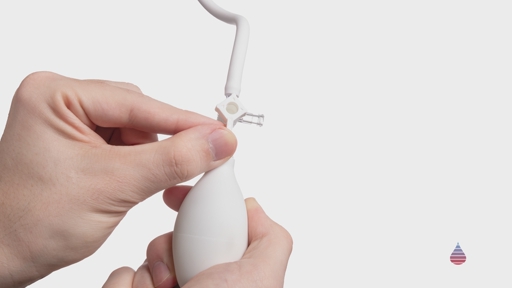
QinFlow launched PressSure™, a battery-powered device that automatically maintains blood and IV-fluid pressure at selectable 150, 300, or 450 mmHg settings, reducing clinicians’ need to repeatedly inflate and monitor standard pressure bags. The device requires no proprietary consumables, scheduled calibration, or preventive maintenance and expands QinFlow’s critical-care portfolio beyond fluid warming. PressSure™ was named a finalist for the 2026 EMS World Innovation Award and will debut at EMS World Expo and Emergency Nursing 2026 later this month.
Analysis
This is not directly tradeable absent a listed parent, disclosed pricing, regulatory status, or installed-base economics. The relevant read-through is modestly positive for adjacent acute-care workflow automation: a non-consumable accessory can expand equipment wallet share, but it also removes the recurring-revenue model that typically supports premium medtech valuations. Near-term commercial traction will depend less on award recognition than on procurement approval, battery reliability in field use, and whether the device demonstrably reduces clinician time or adverse-event exposure enough to clear constrained EMS and hospital capital budgets.
Potential incumbents in infusion and vascular-access equipment—BDX, BAX and ICU—face only a marginal competitive risk initially because their larger revenue pools are tied to pumps, disposables and enterprise contracts. The more meaningful second-order effect is that successful adoption could validate demand for simpler, portable acute-care automation, favoring companies with prehospital and military distribution such as Stryker (SYK) and Teleflex (TFX), while raising customer expectations for low-maintenance devices without proprietary consumables. That expectation could pressure consumable-heavy business models at the margin over a 6-18 month horizon, though the addressable spend appears too small to alter estimates today.
Contrarian view: workflow claims are easy to market but hard to monetize when the existing manual alternative is inexpensive and familiar. Hospitals may treat this as a discretionary accessory unless prospective data quantify time saved, failure rates, or improved transfusion/infusion performance; EMS adoption may be faster but carries lower absolute dollars. The thesis becomes investable only if QinFlow discloses a scaled distribution partner, meaningful order backlog, or evidence that automated pressure management becomes embedded in protocol-driven trauma kits.
AllMind Terminal
AI-powered research, real-time alerts, and portfolio analytics for institutional investors.
Request TrialMarket Sentiment
Overall Sentiment
moderately positive
Sentiment Score
0.42
Key Decisions for Investors
- No standalone position: QinFlow is not identified as publicly traded, and the release provides no price, clearance, unit-sales, or order data sufficient to translate the launch into earnings impact.
- Place SYK and TFX on a 1-3 month diligence watch around EMS World Expo: look for distributor agreements, bundled trauma-care offerings, or procurement pilots. A confirmed strategic distribution relationship would be incrementally positive, but not alone sufficient for a trade.
- Monitor BDX, BAX and ICU on the next two earnings calls for management commentary on acute-care capital demand and disposable attach rates; do not short on this signal. A broad shift toward non-proprietary accessories would need to show up in procurement behavior before it can affect valuation.
- Falsification trigger for the workflow-automation read-through: lack of disclosed clinical validation, regulatory commercialization milestones, or repeat orders within 6-12 months would indicate the product is niche rather than a category-expanding platform.
More News
- Taiwan benchmark Taiex rises to record intraday high as tech stocks advance
- AMD joins the $1 trillion club as chip rally surges - our AI Strategy saw it early
- 20 countries propose global oversight body to manage AI dangers
- Australia Bets on AI to Spur Economic Growth For Decades
- Here's who we know is going to the Trump-Xi dinner so far
- +17% in a single session: This AI-picked stock catches a data-center breakout
From AllMind Research
- Anthropic IPO Preview: Valuation, Timing, and What to Watch
- Shein After the IPO: Venue, Valuation, and What Must Be Proved
- What AI Research Tools Should a Small Hedge Fund Buy First?
- Weekly Update: AI-Powered Report Editing, Investor Relations, and Enhanced Search
- Automating Financial Model Updates: A Source-Controlled Workflow